


Description
Vitamin D3 1000 – 6 Facts About This Bone and Immune Supplement

Short description: Vitamin D3 1000 is a 1000 IU vitamin D supplement that adults may use alongside a balanced diet to support normal bones, muscle function and the immune system.
Table of contents
- Introduction
- What it is
- How it works
- Key benefits
- Common uses
- Who it suits
- Who should avoid it
- How to use
- Best time to take
- Drug interactions
- Warnings & contraindications
- When to see a doctor
- FAQ
- Summary
Introduction to Vitamin D3 1000
Vitamin D3 1000 is a food supplement that delivers 1000 IU of vitamin D3, the form of vitamin D the body makes in sunlight. This page explains what the supplement is, how it may support bone and immune health, and the safety points to keep in mind before you buy.
It helps to be clear from the start: this is a dietary supplement, not a licensed medicine. It does not replace a balanced diet, sensible sun exposure or professional medical care.
What is Vitamin D3 1000?
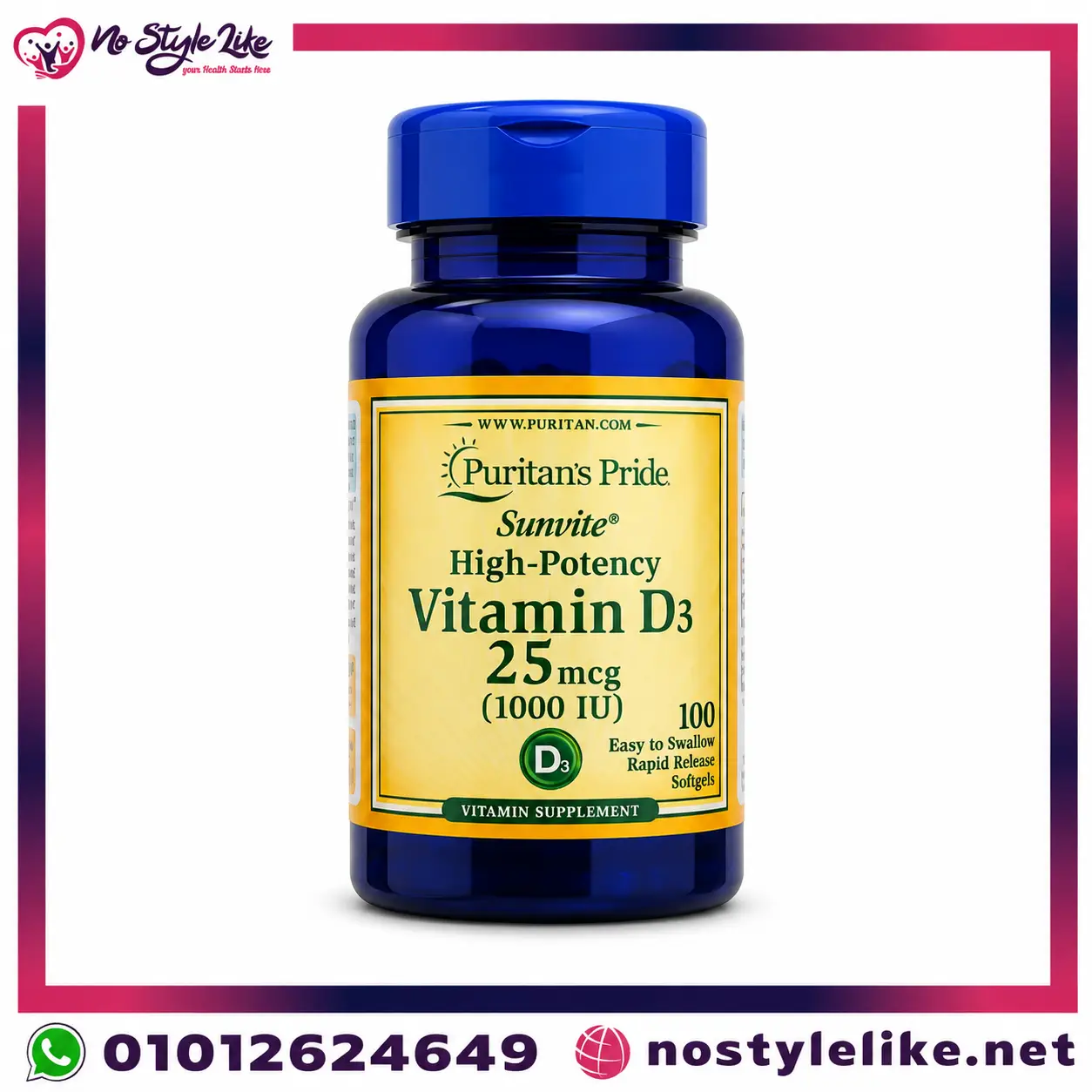
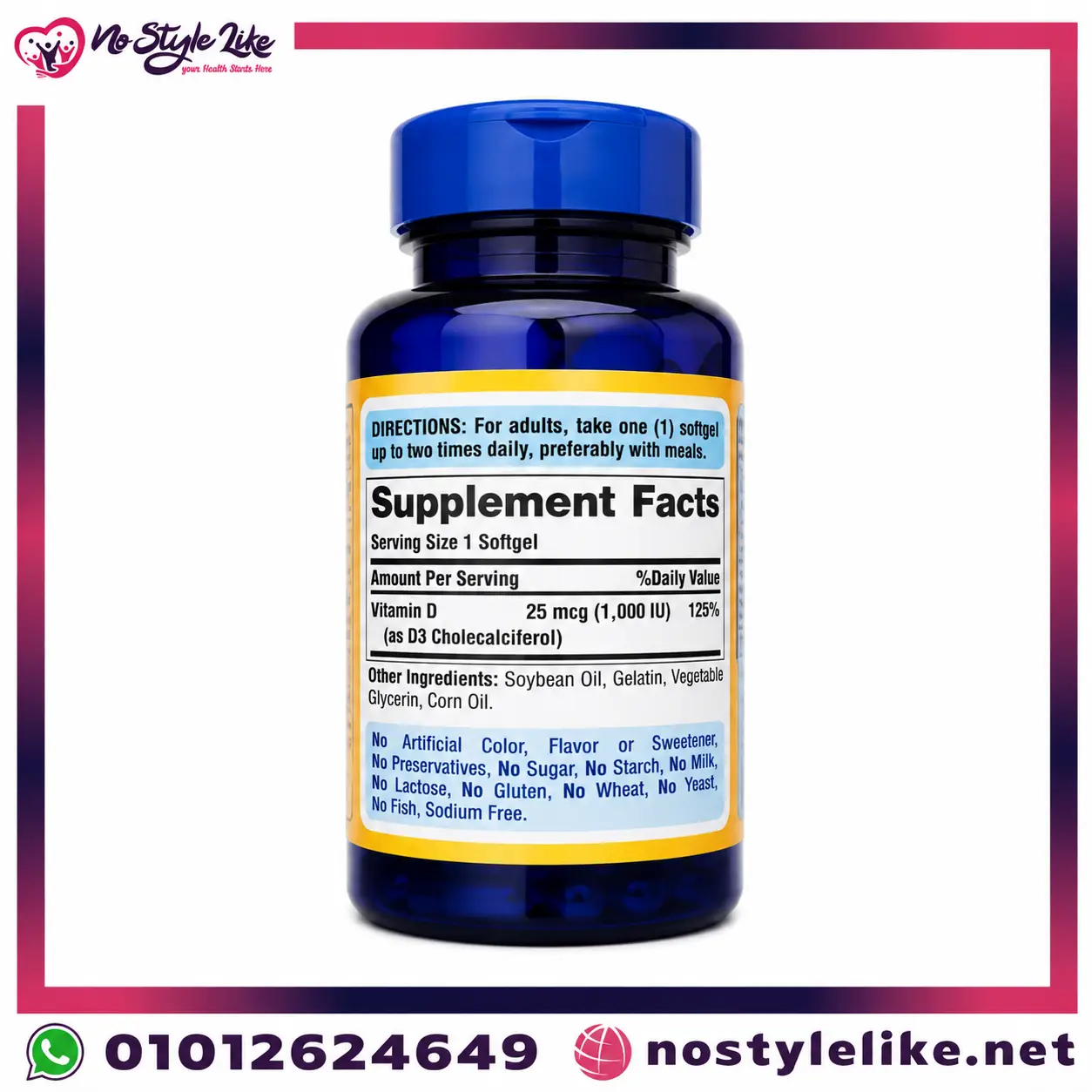
Vitamin D3 1000 is a tablet or softgel providing 1000 IU, equal to 25 micrograms, of cholecalciferol. Vitamin D3 is the same form your skin produces in sunlight and the preferred form for supplements.
Vitamin D helps the body absorb calcium and is important for bones, muscles and immune function. As a supplement, it complements normal nutrition and sun exposure.
How Vitamin D3 1000 works
Vitamin D3 is converted in the liver and kidneys into its active form, which helps the gut absorb calcium. Within a supplement framework, Vitamin D3 1000 may support the normal maintenance of bones and teeth and normal muscle function.
Vitamin D also plays a role in the normal function of the immune system, one reason a daily top up is popular in low sunlight seasons.
Possible benefits of Vitamin D3 1000
The honest position is that Vitamin D3 1000 may support the normal roles of vitamin D, mainly when sunlight or diet fall short. As a supplement it is an optional top up, not a cure.
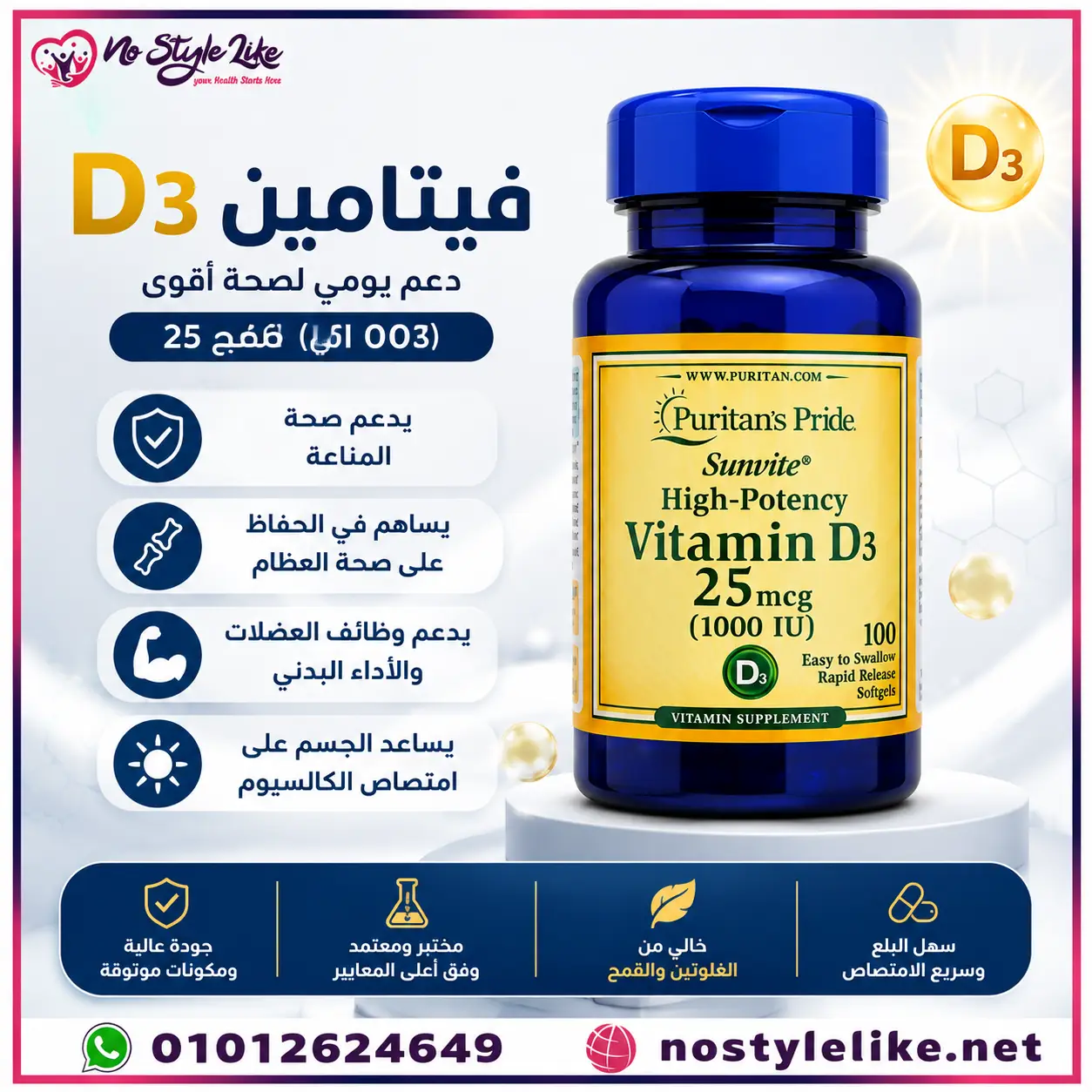
- May support the maintenance of normal bones and teeth.
- May support normal muscle function and calcium absorption.
- May contribute to the normal function of the immune system.
None of these points should be read as a promise to treat osteoporosis or prevent infection. Diagnosed deficiency needs a doctor.
Common uses
People typically use a vitamin D supplement as an optional daily addition to maintain healthy levels, especially in winter or where sun exposure is limited.
It should not be used to self treat a diagnosed deficiency without testing, which is a matter for a doctor.
Who it suits
Vitamin D3 1000 may suit generally healthy adults who get limited sunlight, spend a lot of time indoors, or want a moderate daily maintenance dose of vitamin D.
Before starting, it is sensible to confirm with a pharmacist or doctor that a vitamin D supplement is appropriate for you, particularly if you have a health condition or take other medicines.
Who should avoid it
Some people should check with a doctor before taking vitamin D. In general, get advice first if you are in any of the following groups:
- People with high blood calcium (hypercalcaemia) or kidney disease.
- Anyone with sarcoidosis or another condition affecting calcium.
- People already taking high dose vitamin D or a multivitamin with vitamin D.
- Pregnant or breastfeeding women, unless advised by a doctor.
How to use Vitamin D3 1000
Always follow the dosage printed on the genuine pack and do not exceed the stated amount. Vitamin D is fat soluble, so take it with a meal that contains some fat to support absorption.
Do not stack several vitamin D products together, and stop use if you feel unwell.
Best time to take Vitamin D3 1000
Many people take it with their largest meal of the day, since the fat in food helps this fat soluble vitamin absorb. Morning or midday dosing suits most routines.
There is no single proven best time, so keep it consistent and follow the label.
Drug interactions
Vitamin D can interact with several medicines, so tell your doctor about everything you take.
- Thiazide diuretics, which combined with vitamin D can raise blood calcium.
- Digoxin and some heart medicines, where calcium changes matter.
- Other calcium or high dose vitamin D supplements taken together.
Never adjust a prescribed medicine on your own because you have started a supplement.
Warnings and contraindications for Vitamin D3 1000
Do not exceed the recommended dose. Because vitamin D is stored in the body, taking too much over time can cause a build up of calcium, with symptoms such as nausea, weakness, thirst and kidney problems.
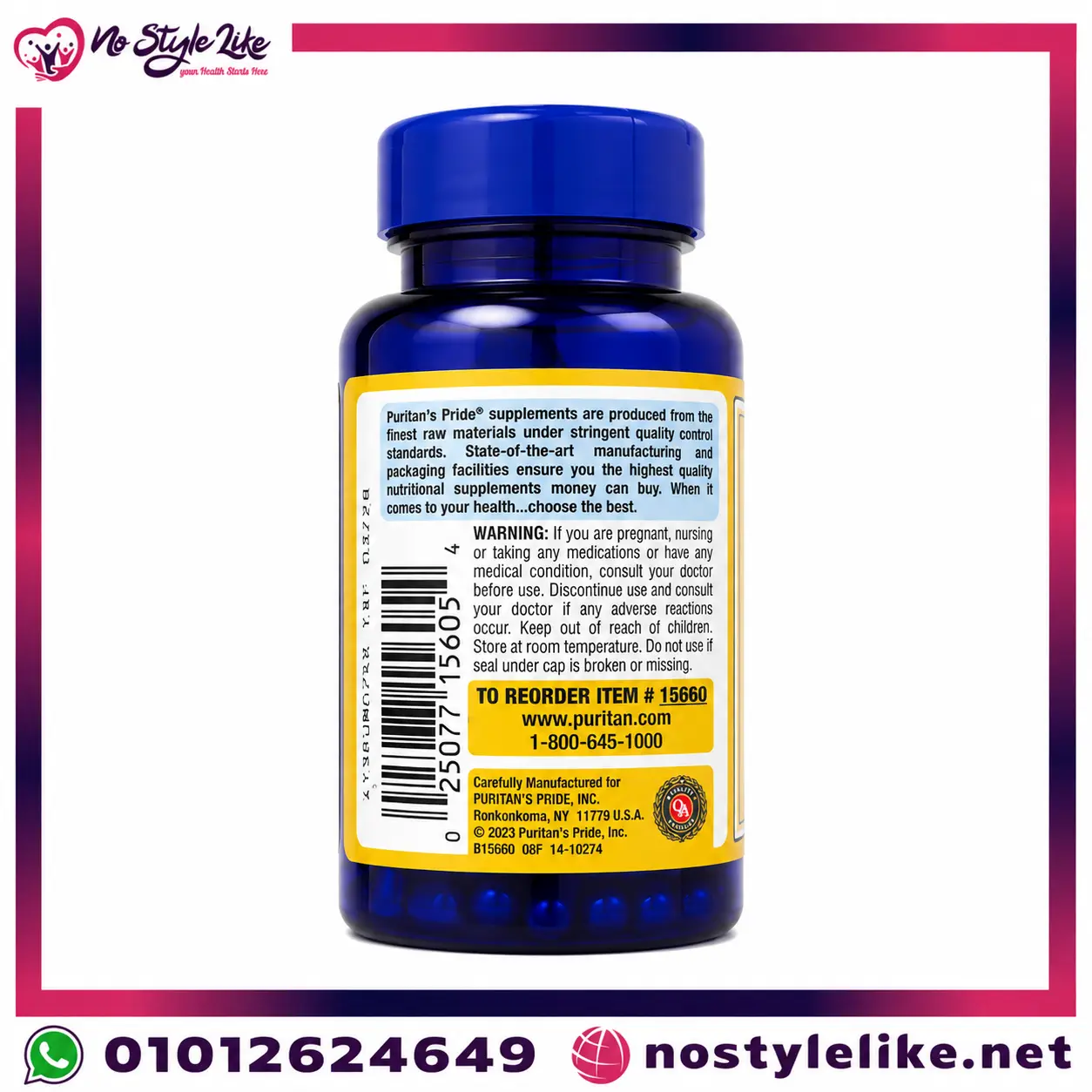
Stop use and seek help if you develop a rash, swelling or other allergic reaction, or symptoms of high calcium. Keep out of reach of children and store as directed.
When to see a doctor
See a doctor before you start if you have kidney disease, high blood calcium, sarcoidosis, are pregnant or breastfeeding, or take heart or diuretic medicine and are unsure whether vitamin D is right for you.
Seek medical advice if you have persistent bone pain, muscle weakness or fatigue, because these need proper assessment rather than self treatment.
FAQ about Vitamin D3 1000
Q: Is Vitamin D3 1000 a medicine?
A: No. It is a vitamin D food supplement, not a licensed medicine, and it is not approved to treat osteoporosis or infections.
Q: What does the 1000 mean?
A: It is the amount of vitamin D3 per dose, 1000 international units, equal to 25 micrograms, a common daily maintenance level.
Q: Should I take it with food?
A: Yes. Vitamin D is fat soluble, so taking it with a meal that contains some fat helps it absorb.
Q: Can I take too much vitamin D?
A: Yes. Because it is stored in the body, high doses over time can raise calcium and cause harm, so do not exceed the dose.
Q: Should I ask a doctor first?
A: Yes. Consult a doctor or pharmacist before use, especially if you are pregnant, have kidney or calcium problems or take other medicines.
Summary of Vitamin D3 1000
Vitamin D3 1000 is a vitamin D supplement providing 1000 IU of cholecalciferol per dose. It is not a medicine; at most it may support normal bones, muscle function and the immune system as part of a balanced diet and sensible sun exposure. Do not exceed the dose, and consult a doctor if you are pregnant or on medication.
You can browse Vitamin D3 1000 and more pharmacy products at No Style Like.
Reviewed by the No Style Like pharmacy content team. This information is for educational purposes only and does not replace medical advice. This product is a food supplement, not a medicine, and does not substitute for a balanced diet. Vitamin D is stored in the body, so do not exceed the recommended dose and consult a doctor if you are pregnant, breastfeeding or taking any medication. Source: NIH Office of Dietary Supplements.



Reviews
There are no reviews yet.