




Description
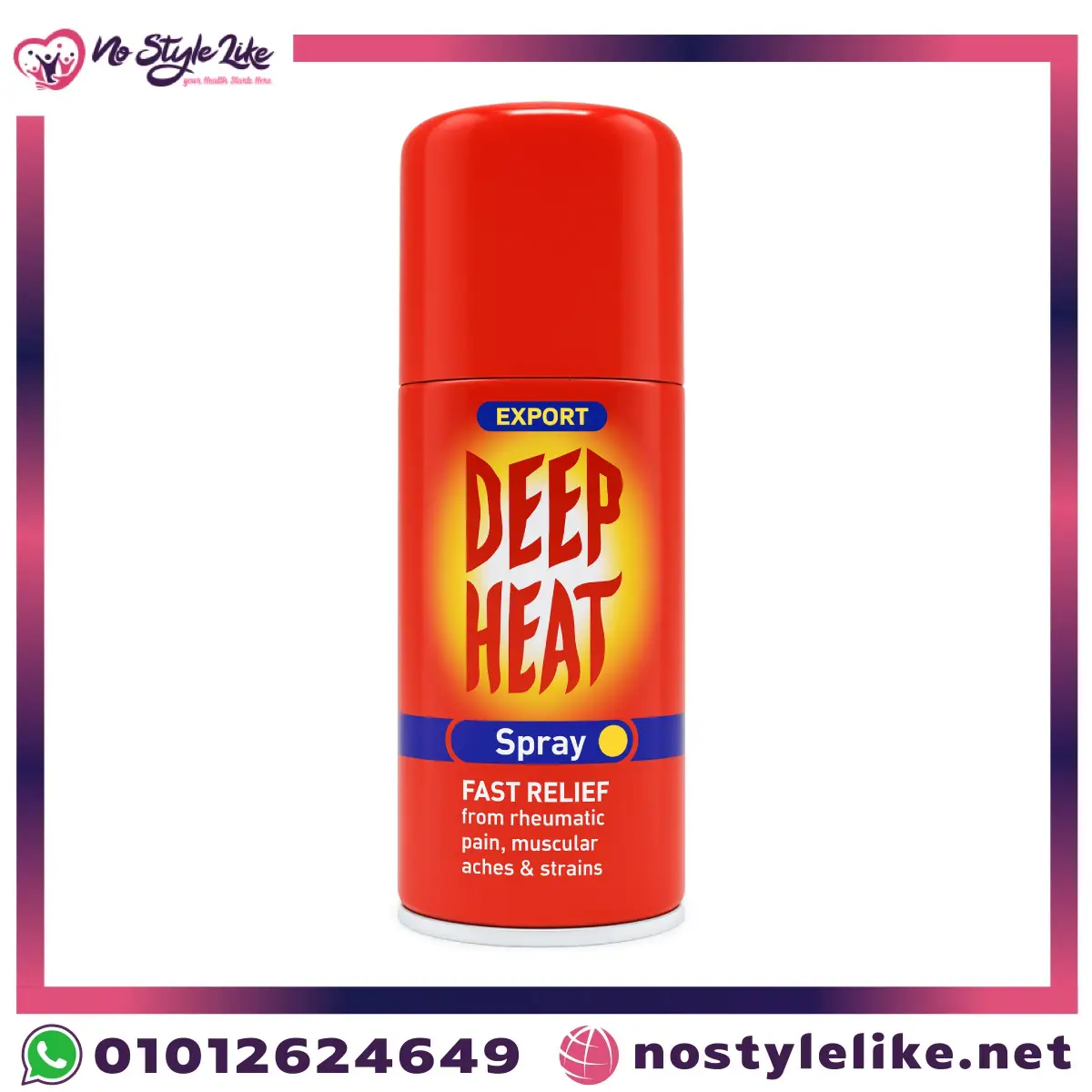
Deep Heat Spray 150 ml – Fast Warming Relief for Muscle & Joint Pain
Table of Contents
- Introduction
- What Is Deep Heat Spray?
- How Does It Work?
- Main Benefits
- Real Use Cases
- Who Is It Best For?
- Who Should Avoid It?
- How to Use Correctly
- Best Time to Apply
- Common Questions Users Ask
- How Fast It Works
- Common Mistakes
- Myths vs Facts
- Interactions & Compatibility
- Contraindications
- When to Seek Medical Advice
- Supporting Recovery
- Use With Other Medications
- When to See a Doctor
- NSL Expert Tip
- FAQ
- Conclusion
Introduction
When your hands are already sore — or the aching spot is somewhere awkward to reach, like the middle of your back — the last thing you want is to rub in a cream. That’s exactly the gap a warming spray fills: aim, spray a thin layer, and let it work, no massaging required.
Deep Heat Spray brings the familiar warming relief of the Deep Heat range in a fast, hygienic, spray-and-go format. This guide covers how it works, how to use it safely (there are a couple of spray-specific rules that matter), and who should be cautious with it.
What Is Deep Heat Spray?
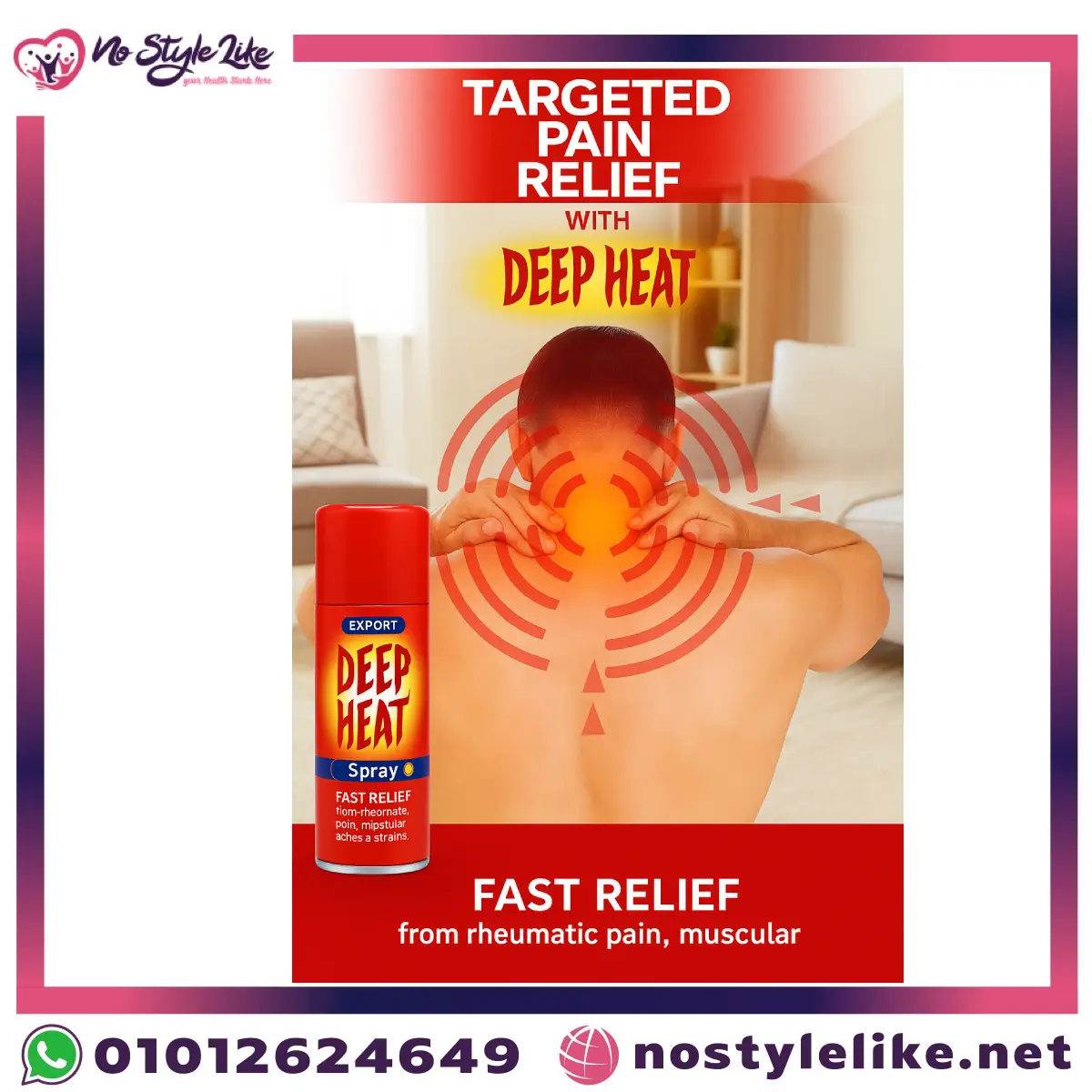
Deep Heat Spray is a topical warming analgesic in aerosol form — the same “counter-irritant” family as the cream, but delivered as a fine spray so you never have to touch or rub the sore area. The 150 ml can is a practical size for the gym bag or home first-aid drawer.
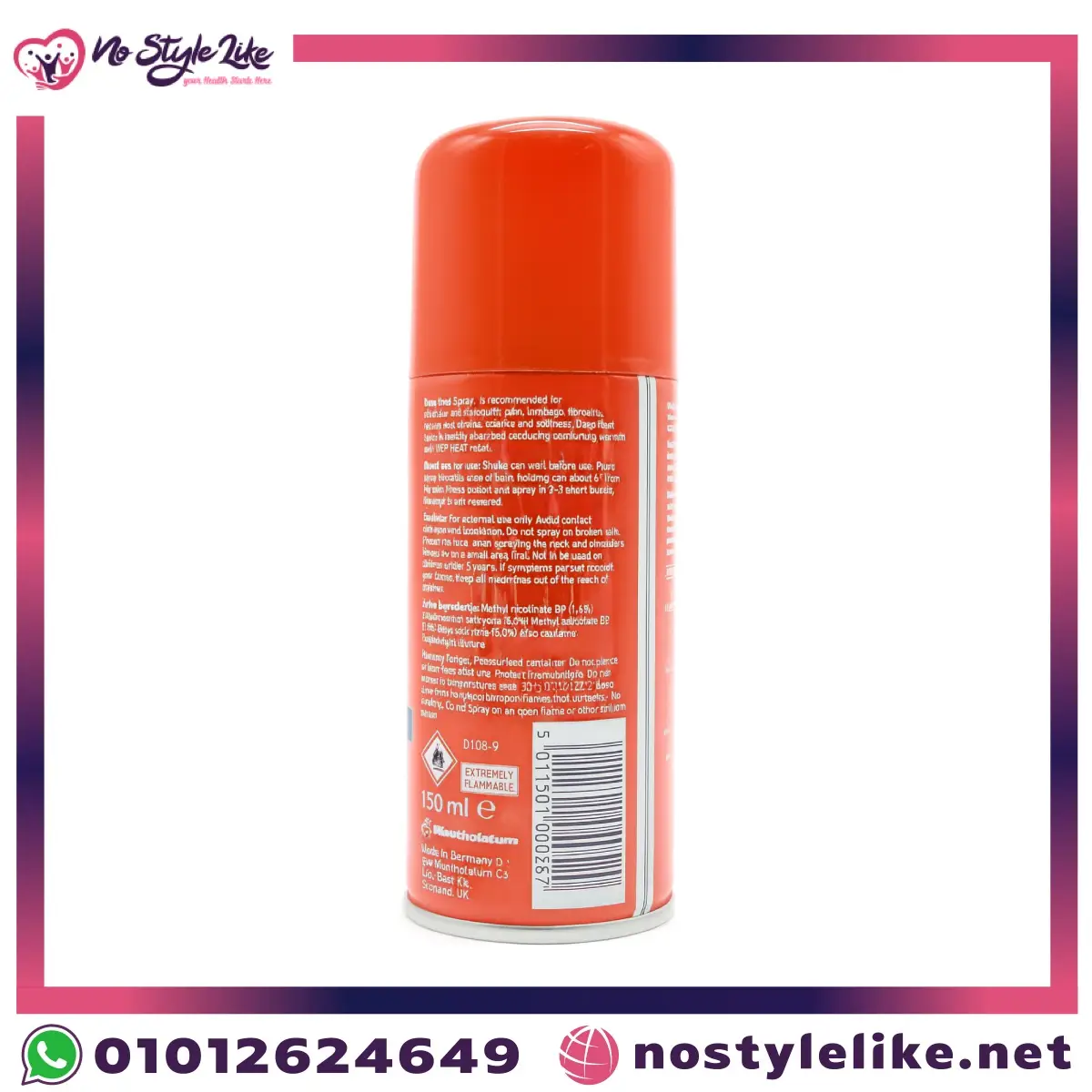
Its active ingredients are menthol, camphor, and methyl salicylate (a salicylate related to aspirin). Together they produce the characteristic cool-then-warm sensation that eases muscle and joint discomfort.
How Does It Work?
Like all warming rubs and sprays, Deep Heat works through counter-irritation: it creates a warming (and initially cooling) sensation on the skin that competes with and dampens the deeper pain signal. In practice:
- Menthol triggers cold receptors first, giving the initial cooling hit
- Camphor adds to the warming sensation and the feeling of increased local circulation
- Methyl salicylate contributes a mild anti-inflammatory action at the skin level
The combined effect relaxes tense muscles and provides comforting warmth. General information on topical pain relievers is available from the NHS painkillers overview.
Main Benefits
- Fast warming relief for muscle and joint pain
- No rubbing needed — ideal when hands are sore or the area is hard to reach
- Hygienic spray application — nothing touches the skin but the mist
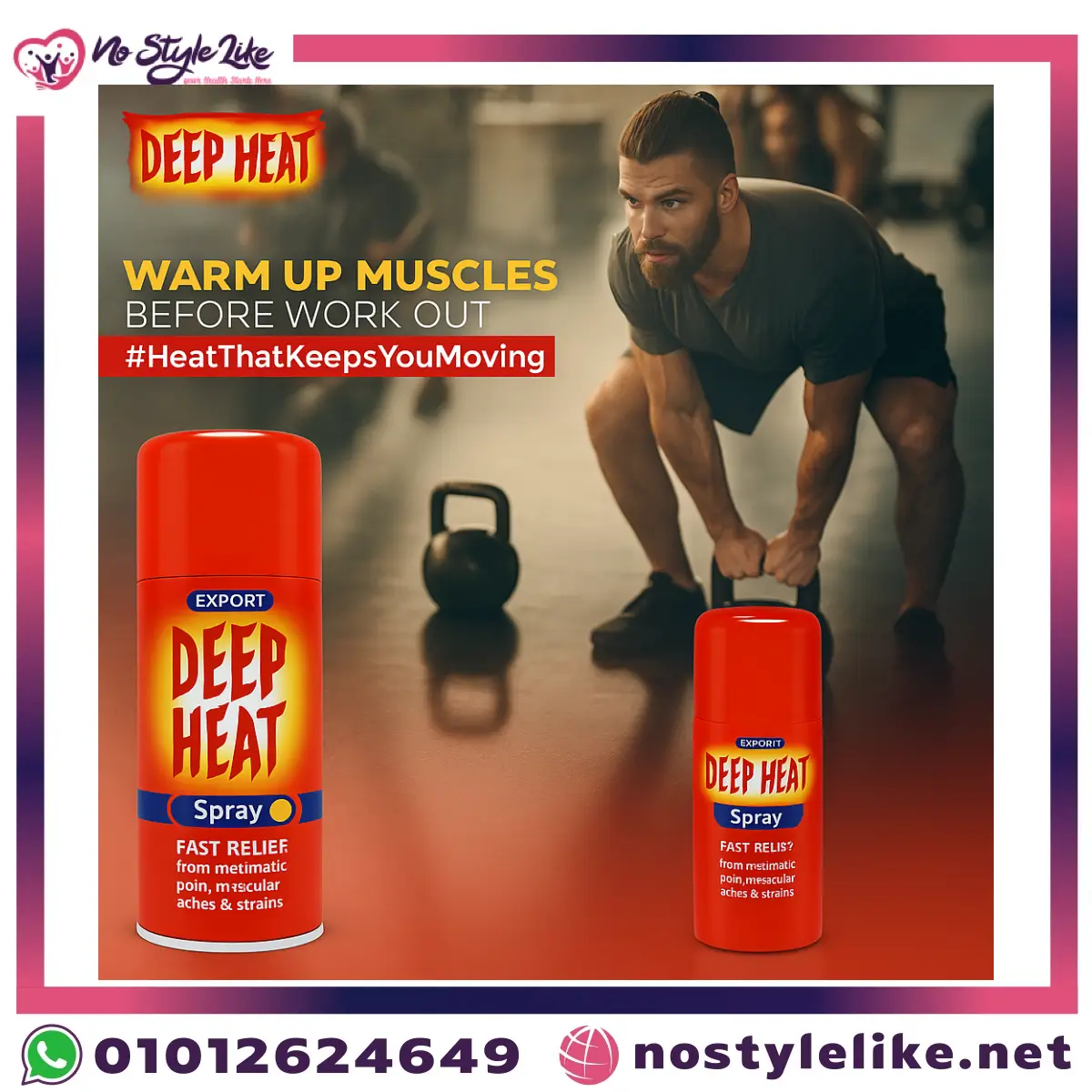
- Convenient for pre-workout warm-up and post-workout recovery
- Good for back, neck, shoulder, and joint discomfort
- Quick, mess-free, and portable
Real Use Cases
- Hard-to-reach back pain: the spray’s main advantage — you can treat the mid-back without twisting to rub it in.
- Post-workout soreness: a quick spray after training to ease tightness.
- Pre-activity warm-up: applied before exercise to loosen muscles.
- Neck and shoulder stiffness: from desk work or poor sleeping posture.
- Joint discomfort: mild arthritis or overuse aches.
Who Is It Best For?
- Adults and children over 12 with muscle or joint aches
- Athletes and gym-goers wanting fast, no-rub relief
- Anyone with hard-to-reach sore spots (mid-back especially)
- People who prefer a hygienic, mess-free application over creams
Who Should Avoid It?
- Anyone with a known allergy to aspirin or salicylates — methyl salicylate is chemically related to aspirin
- People with asthma or respiratory sensitivity — aerosol sprays and strong menthol/camphor vapors can irritate the airways
- People with sensitive skin prone to reaction (test a small area first)
- Children under 12 — not recommended
- Pregnant or breastfeeding women — consult a doctor before use
- Anyone with broken, irritated, or infected skin at the target area
How to Use Correctly
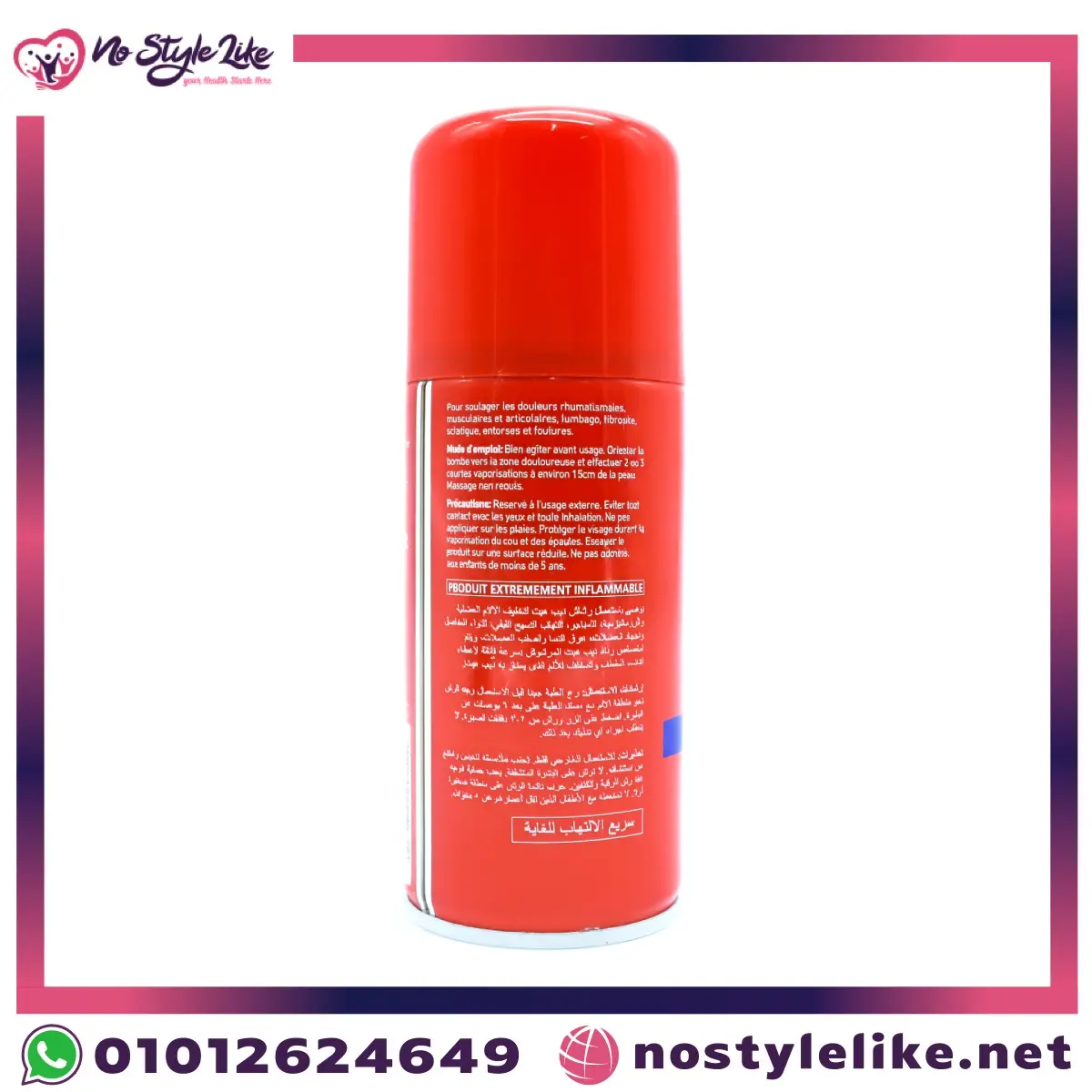
- Shake the can well before use.
- Hold it about 15 cm (6 inches) from the skin.
- Spray a thin, even layer directly onto the affected area.
- Let it absorb naturally — no rubbing needed.
- Use 2–3 times daily as needed.
- Never cover the sprayed area with a bandage, tight clothing, or a heat pad — trapping heat with salicylates can cause skin burns.
- Spray in a well-ventilated area and avoid inhaling the mist — turn your face away while spraying.
- Avoid contact with eyes, mouth, broken skin, and sensitive areas; wash hands after use.
Best Time to Apply
Whenever pain or stiffness is present, within the 2–3 times daily limit. Many people spray it before exercise to warm up muscles, or after training once the body has cooled. Because it’s fast and requires no rubbing, it’s especially handy for a quick top-up during a busy day.
Common Questions Users Ask
Spray or cream — which is better? Same active idea, different delivery. The spray wins for hard-to-reach spots (mid-back), speed, and hygiene; the cream lets you massage the area, which some people prefer for the muscle-relaxing effect of the rub itself. It’s a matter of preference and location.
Is the aerosol flammable? Aerosol sprays of this type should be kept away from flames, sparks, and direct heat, and never punctured or burned even when empty. Store it below the temperature stated on the can.
Can I use it with painkiller tablets? Generally yes, since little is absorbed — but if you take oral aspirin or other salicylates, or have a salicylate sensitivity, check with a pharmacist first.
How Fast It Works
| Time | What to Expect |
|---|---|
| Immediately | Cooling sensation from menthol as the spray lands |
| Within minutes | Warming builds; pain and stiffness start to ease |
| 2–3 hours | Warming effect gradually fades; reapply if needed |
Common Mistakes
- Covering the area with a heat pad or tight bandage — the top cause of salicylate burns
- Spraying too close (under 15 cm) or too heavily — raises irritation and cold-burn risk
- Inhaling the mist by spraying toward the face in a closed room
- Using it on broken or irritated skin
- Combining it with another topical rub or heat patch on the same spot
- Storing the can near heat or puncturing it
Myths vs Facts
| Myth | Fact |
|---|---|
| “The more I spray, the better it works.” | A thin layer from 15 cm is enough. Over-spraying only raises irritation and cold-burn risk from the propellant. |
| “It heals the injury underneath.” | It relieves pain and stiffness symptomatically; it doesn’t repair torn tissue or cure arthritis. |
| “Covering it keeps the heat in and helps.” | Covering or heating a salicylate product can cause burns. Leave the area open to air. |
Interactions & Compatibility
As a topical product, systemic interactions are minimal. The practical points:
- Other topical analgesics or heat patches: don’t use on the same area at once — combined heat and irritation raise the burn risk
- Oral salicylates (aspirin): if you take these or are salicylate-sensitive, check with a pharmacist, as some methyl salicylate can be absorbed
- Anti-inflammatory creams: avoid layering over prescription topical medicines without advice
- Blood thinners (warfarin): mention regular salicylate-spray use to your doctor if you take anticoagulants
Contraindications
- Known allergy to salicylates/aspirin, menthol, or camphor
- Broken, damaged, or infected skin at the application site
- Children under 12 years
- Use near eyes, mouth, or mucous membranes, or spraying toward the face
When to Seek Medical Advice
The spray needs no tests, but persistent pain sometimes does. Seek advice if:
- Muscle or joint pain persists beyond a week or two despite regular use
- Pain followed a significant injury — a fall, a pop, or sudden swelling
- A joint is red, hot, and swollen — possible inflammation needing evaluation
- Back pain comes with numbness, tingling, or leg weakness
Supporting Recovery
The spray eases symptoms; these habits support the muscles beneath:
- Light stretching and a gradual return to activity for minor strains
- Adequate hydration and protein to support muscle repair
- Warm-up before and cool-down after exercise to reduce next-day soreness
- For recurrent joint aches, an anti-inflammatory-leaning diet (omega-3-rich fish, vegetables) may help overall
Use With Other Medications
Because the spray works at the skin surface with minimal absorption, it generally sits comfortably alongside oral medications. The group to watch is anything salicylate-related: regular aspirin users, people with aspirin-sensitive asthma, or those on anticoagulants should mention it to a pharmacist. And the simple rule holds — don’t layer it with a second topical rub or a heat patch on the same spot.
When to See a Doctor
- A skin reaction — burning, blistering, rash, or swelling — after application (stop use)
- Wheezing, coughing, or breathing difficulty after inhaling the spray (especially if asthmatic)
- Pain that worsens or doesn’t improve after a couple of weeks
- Signs of a real injury: significant swelling, inability to bear weight, or joint instability
- Accidental spraying into the eyes that doesn’t clear after rinsing
NSL Expert Tip
Dr. Abdallah Fouad, Clinical Nutrition Specialist: “The spray’s real superpower is reaching the middle of your own back without help — but two habits keep it safe: spray from a full 15 cm and turn your face away so you’re not breathing in the mist, and never wrap or heat-pad the area afterward. Treat it as everyday comfort for aches; if the same spot keeps flaring up, that’s a signal to get it checked rather than to spray more.”
Frequently Asked Questions
What is Deep Heat Spray used for?
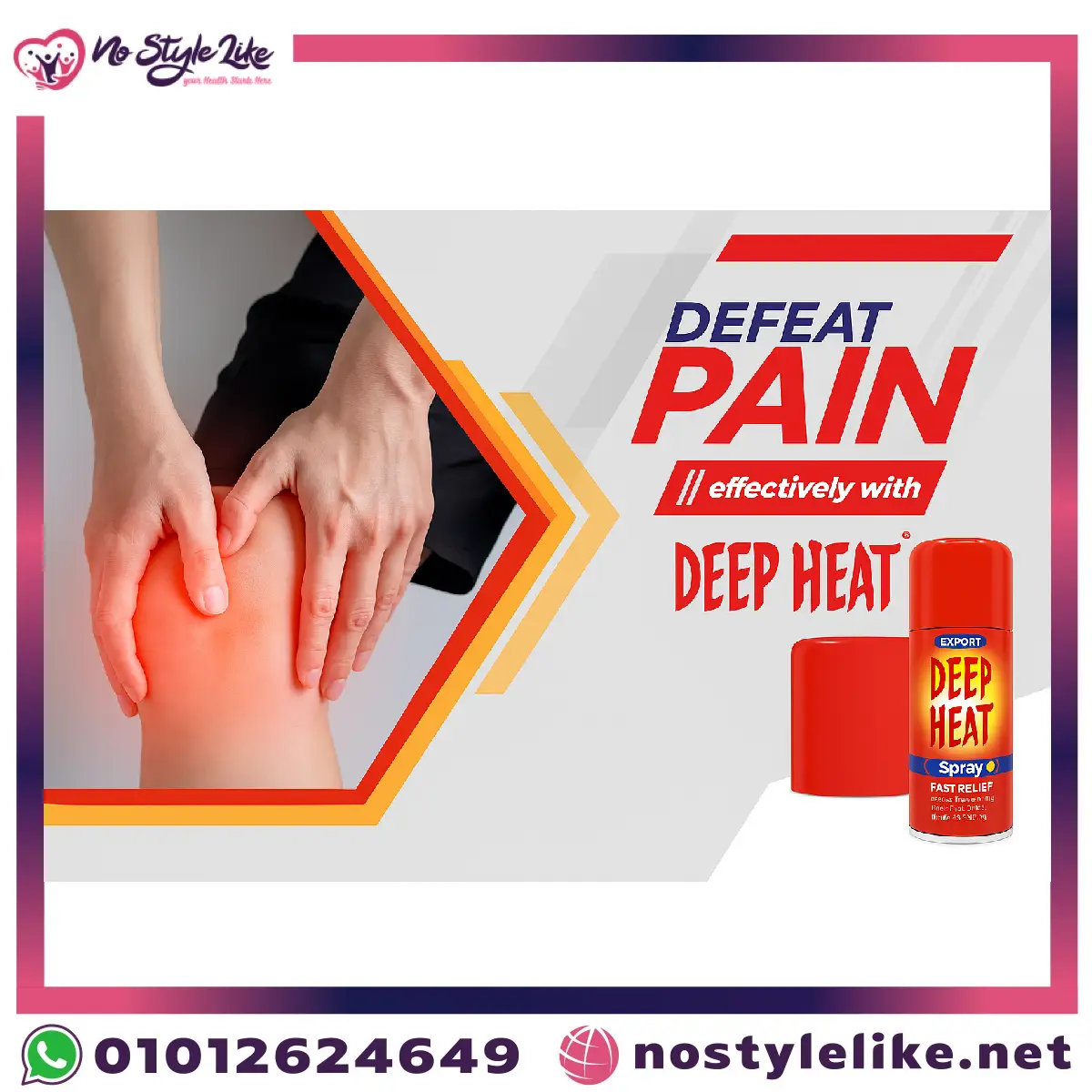
It relieves muscle stiffness, joint pain, and sports-related aches through a warming counter-irritant effect, applied without rubbing.
Can I use Deep Heat Spray every day?
Yes, up to 2–3 times daily on intact skin, following the directions. Don’t cover the area afterward.
Does it help with arthritis pain?
It can ease mild to moderate joint pain and stiffness from arthritis, though it doesn’t treat the condition itself.
Can I use it before exercise?
Yes — it’s well suited to warming up muscles before activity.
Is it safe for elderly people?
Yes, for adults including seniors when used as directed on healthy skin.
Can it be used on the neck and shoulders?
Yes, it’s commonly used for neck and shoulder tension — spray from 15 cm and keep it away from the face.
Why shouldn’t I cover the area after spraying?
Covering or heating a salicylate product can trap heat and cause skin burns. Leave the area uncovered.
Is the spray flammable?
Aerosol cans of this type should be kept away from flames and heat and never punctured or burned, even when empty.
Is it safe if I’m allergic to aspirin?
Be cautious — methyl salicylate is related to aspirin. Check with a pharmacist first if you have a salicylate sensitivity.
Where can I buy authentic Deep Heat Spray 150 ml in Egypt?
You can order the original product from No Style Like, with verified sourcing, secure packaging, and checked expiry dates.
Conclusion
Deep Heat Spray 150 ml delivers the warming relief of the Deep Heat range in its most convenient form — fast, hygienic, and rub-free, perfect for hard-to-reach aches and on-the-go recovery. Used correctly — a thin layer from 15 cm, face turned away, and the area left uncovered — it’s a dependable everyday comfort for muscle and joint discomfort. Just remember it soothes symptoms rather than healing injuries, so persistent or serious pain still deserves a proper look.
Related products on No Style Like: Deep Heat Cream 100 g · Voltaren Emulgel 1% 100 g · Moov Spray for Muscle Pain
Reviewed by: Dr. Abdallah Fouad, Clinical Nutrition Specialist — 25+ years of experience
Medical Disclaimer: This content is for educational purposes only and does not replace professional medical advice. For external use only. Do not cover treated skin, avoid inhaling the spray, keep away from flames, and consult a doctor for persistent pain or if pregnant. Source: NHS.


Reviews
There are no reviews yet.