


Description
Euthyrox 100 mcg Tablets: Advanced Thyroid Hormone Replacement Therapy
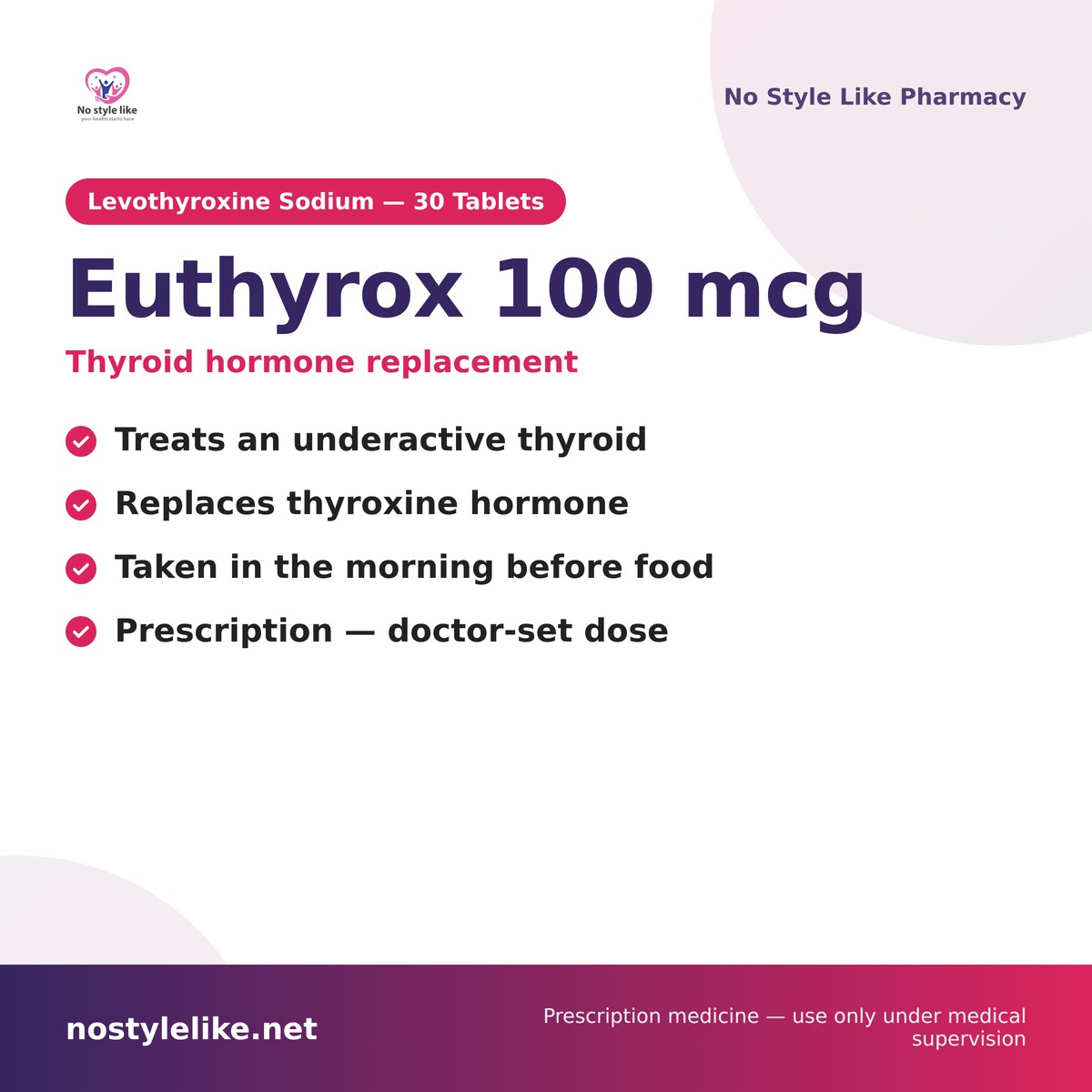
Table of Contents
- Introduction to Endocrine Restoration
- What Is Euthyrox 100 mcg?
- Full Active Ingredients Table
- Ingredient-by-Ingredient Breakdown
- How Does It Work?
- Approved / Stated Uses
- Who Is It Best For?
- Who Should Avoid It? / Contraindications
- How to Use / Dosage Rules
- Expected Results Timeline
- Common Questions Users Ask
- Common Mistakes to Avoid
- Myths vs Facts
- Drug Interactions Table
- When to See a Doctor
- Required Tests & Monitoring
- How It Affects Other Medications
- Storage & Handling
- NSL Expert Tip
- Frequently Asked Questions
- Conclusion & Category Directory
Introduction to Endocrine Restoration
When the thyroid gland fails to synthesize adequate amounts of thyroxine, systemic bodily operations decelerate. This deficit produces debilitating clinical symptoms including profound lethargy, weight gain, and thermal dysregulation. Euthyrox 100 mcg acts as a direct biomimetic replacement therapy, engineered to stabilize metabolic homeostasis. It provides a reliable baseline for individuals navigating complex endocrine conditions, ensuring metabolic parity when natural production is insufficient.
What Is Euthyrox 100 mcg?
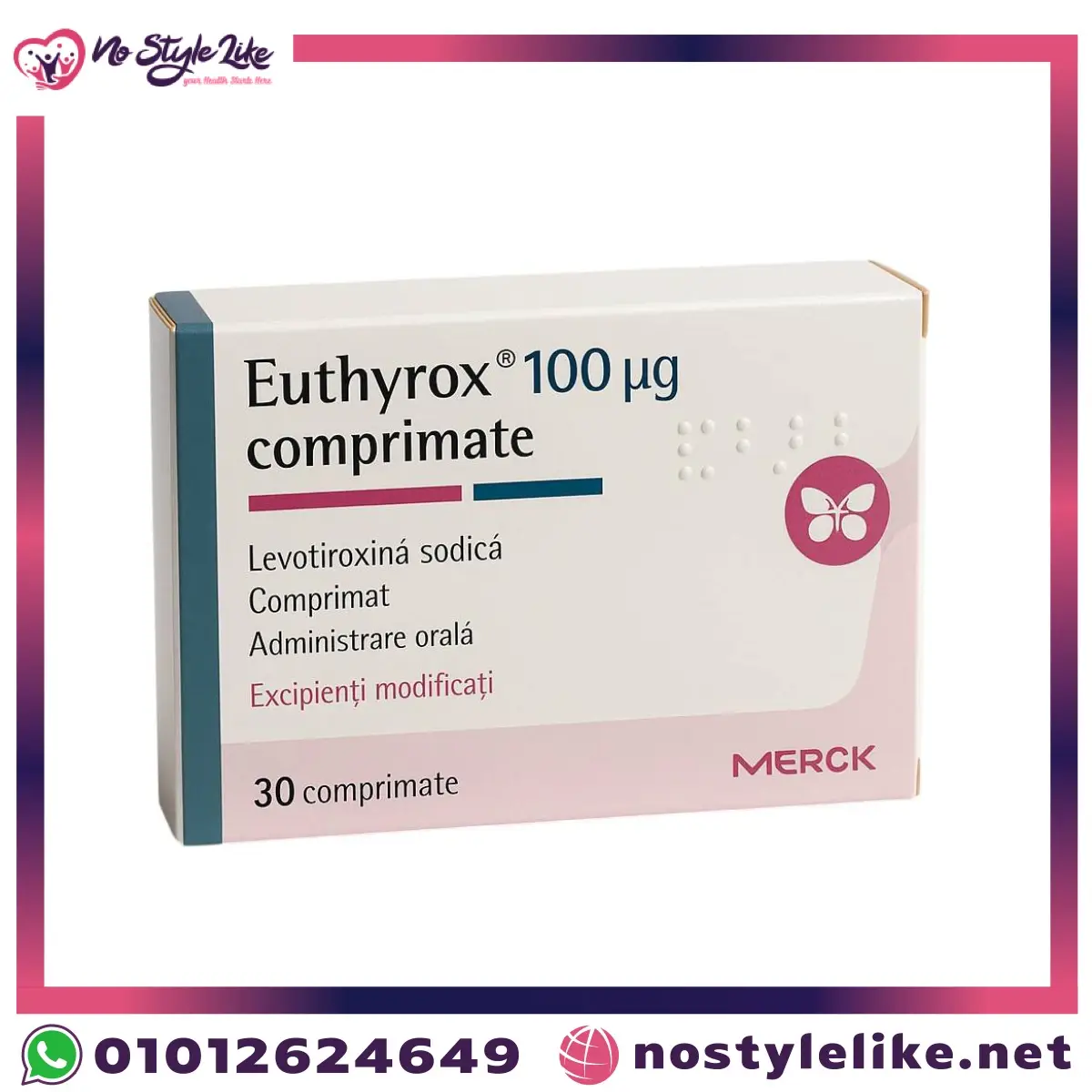
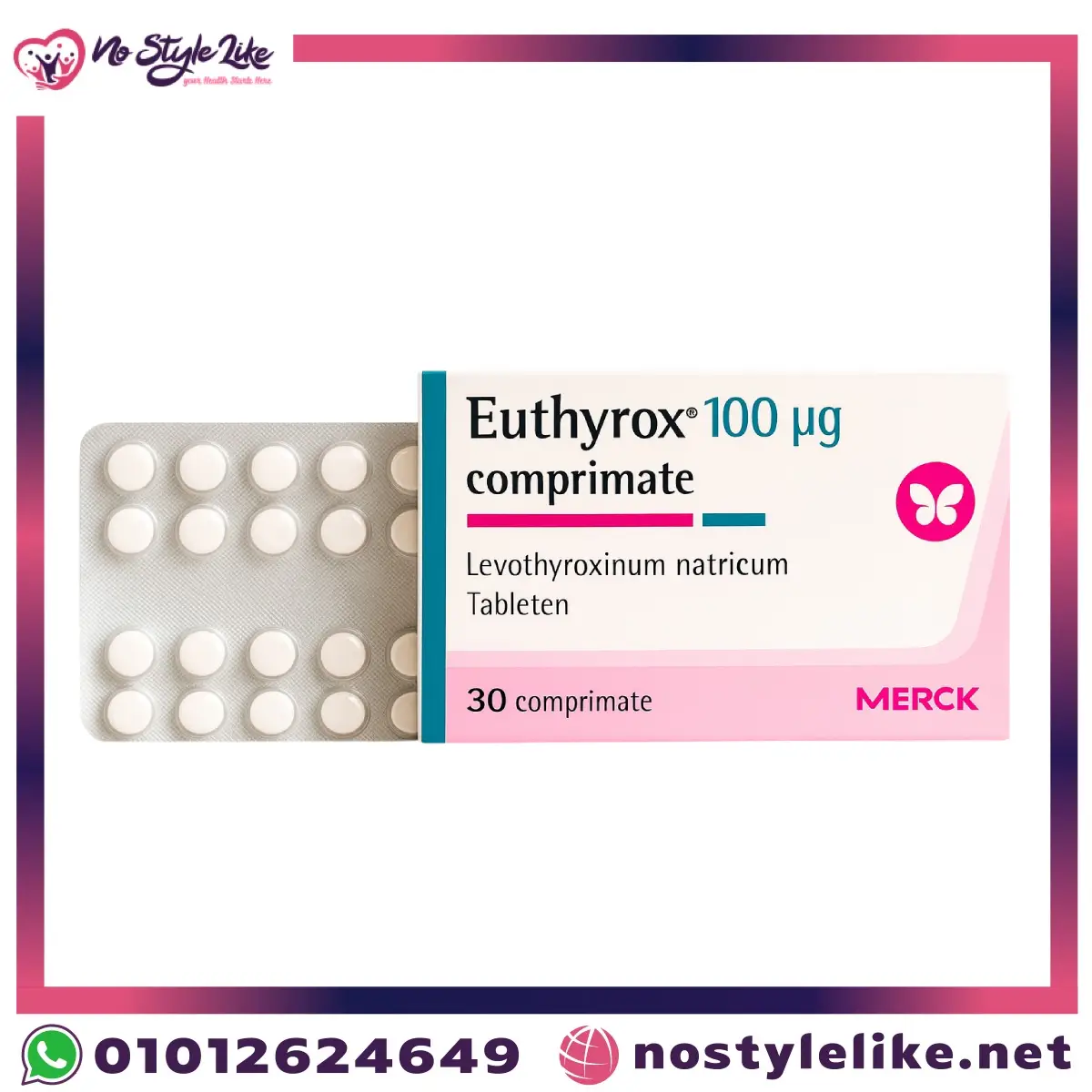
Euthyrox 100 mcg is a highly calibrated, clinically validated pharmaceutical preparation manufactured by Merck KGaA. Every tablet delivers exactly 100 micrograms of Levothyroxine Sodium, a synthetic analogue identical to the endogenous thyroid hormone T4. It is strictly indicated for clinical hormone correction and is NOT a weight-loss drug or dietary supplement. Patients requiring this medication are closely evaluated by endocrinologists to maintain metabolic balance over a lifetime of therapy.
Full Active Ingredients Table
| Component | Dose Per Tablet | Standardization Status |
|---|---|---|
| Levothyroxine Sodium | 100 mcg | Pharmaceutical Grade USP/EP |
Ingredient-by-Ingredient Breakdown
| Ingredient | Dose | Role / Mechanism |
|---|---|---|
| Levothyroxine Sodium | 100 mcg | Converts peripherally into active triiodothyronine (T3), binding to nuclear thyroid receptors to initiate metabolic transcription processes. |
How Does It Work?
Levothyroxine sodium behaves seamlessly like the body’s natural thyroxine hormone. Upon ingestion and gastrointestinal absorption, this synthetic T4 is converted by peripheral tissues (primarily the liver and kidneys) into the active hormone T3. Once converted, it activates intracellular pathways that control cellular respiration, enhance oxygen utilization across vital organs, regularize myocardial contractility, and maintain structural synthesis in dermatological and muscular networks.
Approved / Stated Uses
- Primary, secondary, and tertiary clinical hypothyroidism management.
- Suppression of Thyroid-Stimulating Hormone (TSH) secretion in the clinical management of thyroid carcinomas.
- Prevention of benign euthyroid goiter recurrence following surgical thyroid resection.
- Therapeutic baseline support during chronic hashimoto’s thyroiditis management.
Who Is It Best For?
This medication is carefully selected for pediatric and adult patients diagnosed with documented, biochemically verified thyroid deficits. It is ideal for individuals who present elevated baseline TSH and reduced free T4 values. It must be noted by any prospective patient that this hormonal therapy is absolutely NOT a weight-loss drug, meaning it is not intended for people seeking aesthetic body optimization without primary thyroid pathology.
Who Should Avoid It? / Contraindications
CRITICAL CONTRAINDICATIONS & SAFETY ALERT:
- Do not initiate Euthyrox if you suffer from untreated adrenal insufficiency or hypopituitarism.
- Absolutely contraindicated during acute myocardial infarction (heart attack) or acute myocarditis.
- Do not use this product as an empirical treatment for generalized obesity; it is explicitly NOT a weight-loss drug.
- Avoid immediate use if you present clear hyperthyroidism (overactive thyroid status).
How to Use / Dosage Rules
Dosage must be determined exclusively by a physician. The standard maintenance schedule involves swallowing 1 tablet daily. To ensure adequate bioavailability, take your dose exactly 30 to 60 minutes before breakfast on an empty stomach with a full glass of plain water. This careful morning ritual prevents modern dietary compounds from binding the active ingredients in your gastrointestinal tract.
Expected Results Timeline
| Period | What to Expect |
|---|---|
| Weeks 1 – 2 | Initial cellular adaptation occurs; subtle stabilization of internal serum T4 concentrations begin. |
| Weeks 3 – 4 | Noticeable clinical improvement in severe fatigue, cognitive dampening, and subjective cold sensitivity. |
| Weeks 6 – 8 | Full therapeutic equilibrium achieved; TSH serum screening should be performed at this juncture. |
Common Questions Users Ask
Many patients wonder if skipping a dose causes immediate relapses. Due to the long plasma half-life of synthetic Levothyroxine (approximately 6 to 7 days), a single missed tablet will not immediately crash your cellular metabolism, but chronic inconsistency will destabilize your overall health. Another recurring inquiry relates to generic substitution; clinical guidelines discourage switching brands without physician approval due to narrow therapeutic indexes.
Common Mistakes to Avoid
The single most dangerous error is using this hormone replacement to manage cosmetic obesity; we re-emphasize that Euthyrox is NOT a weight-loss drug and can trigger life-threatening cardiac arrhythmias if abused for that purpose. Another highly frequent mistake is swallowing the pill with morning espresso or milk. Coffee and dairy radically impair the intestinal mucosa’s ability to process and absorb Levothyroxine molecules.
Myths vs Facts
| Myth | Fact |
|---|---|
| “Euthyrox is a safe, fast supplement for rapid weight loss.” | Euthyrox is NOT a weight-loss drug; using it without a deficiency causes severe hyperthyroid toxicity. |
| “You can take this medication at any time of day with meals.” | It must be taken on an empty stomach at least 30–60 minutes before consuming food or caffeine. |
Drug Interactions Table
| Drug/Substance | Clinical Interaction Risk |
|---|---|
| Iron & Calcium Supplements | Severely reduces the gastrointestinal absorption of Levothyroxine. Must be spaced by a minimum 4-hour window. |
| Antacids & Proton Pump Inhibitors | Alters stomach acidity, dramatically lowering hormone assimilation. Space apart by 4 full hours. |
| Warfarin / Blood Thinners | Levothyroxine enhances anticoagulant effects, raising bleeding risks. Requires precise dose adjustments. |
| Insulin & Diabetes Medications | Metabolic restoration can decrease the efficacy of insulin therapy. Requires blood glucose re-monitoring. |
When to See a Doctor
Contact your endocrinologist immediately if you experience persistent symptoms of hyperthyroidism, such as an accelerated or irregular heartbeat, unprovoked panic or anxiety, excessive sweating, or sudden drastic weight drops. These clinical signals strongly imply your prescription dose may be excessively high for your current physiological state.
Tests & Monitoring Required
Managing hypothyroidism demands rigorous, lifetime lab checkups. A mandatory TSH monitoring requirement is standard practice; you must undergo quantitative serum TSH and free T4 assays every 6 to 8 weeks after any dose adjustment, or at minimum every 6 months once your therapeutic equilibrium is securely established.
How It Affects Other Medications
As your systemic metabolic rate is normalized by Euthyrox, your liver’s processing clearance of other therapeutic molecules changes. For instance, cardiac medications like digitalis glycosides may require careful upward adjustment, whereas oral anticoagulants become notably stronger and require down-titration to maintain perfect hematological safety.
Storage & Handling
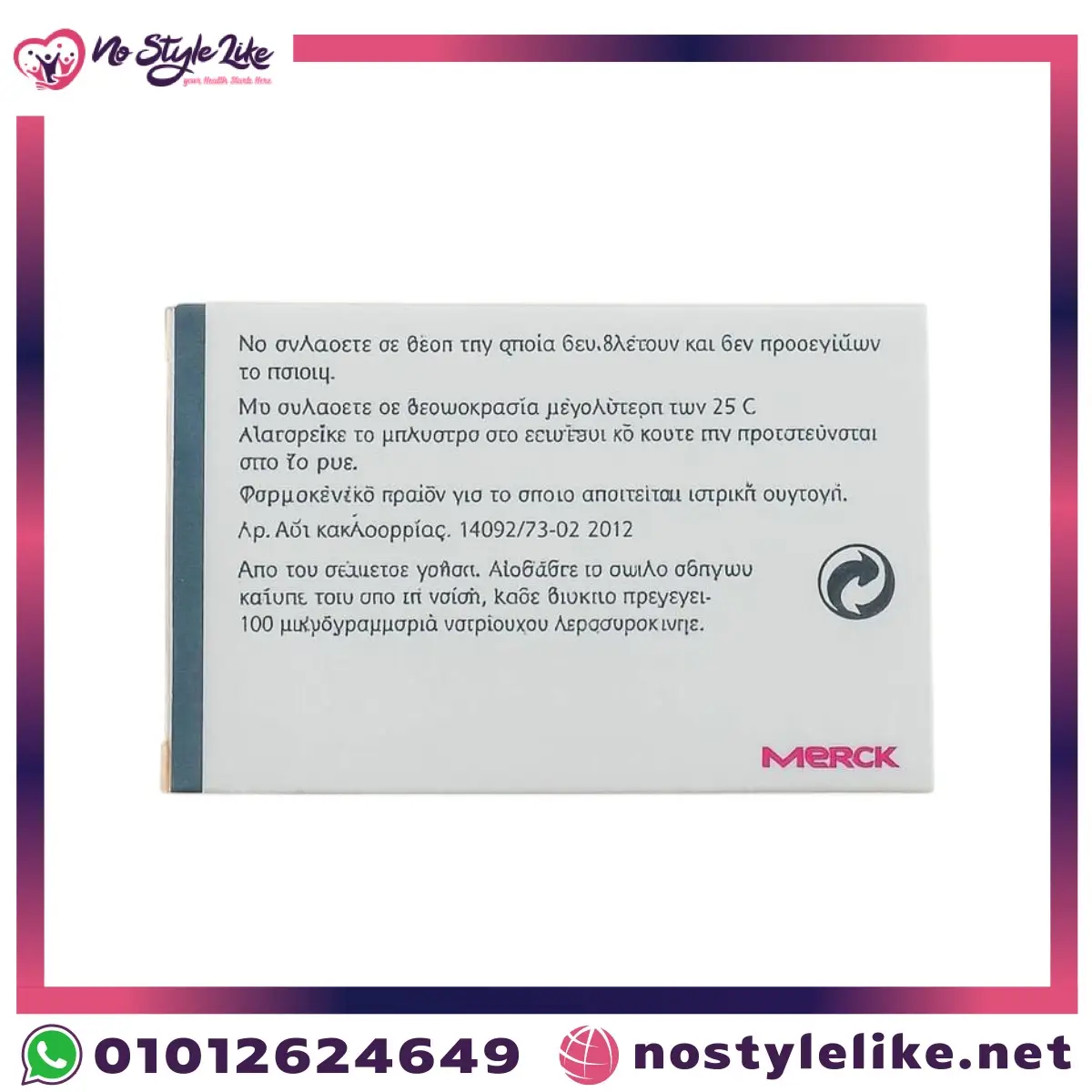
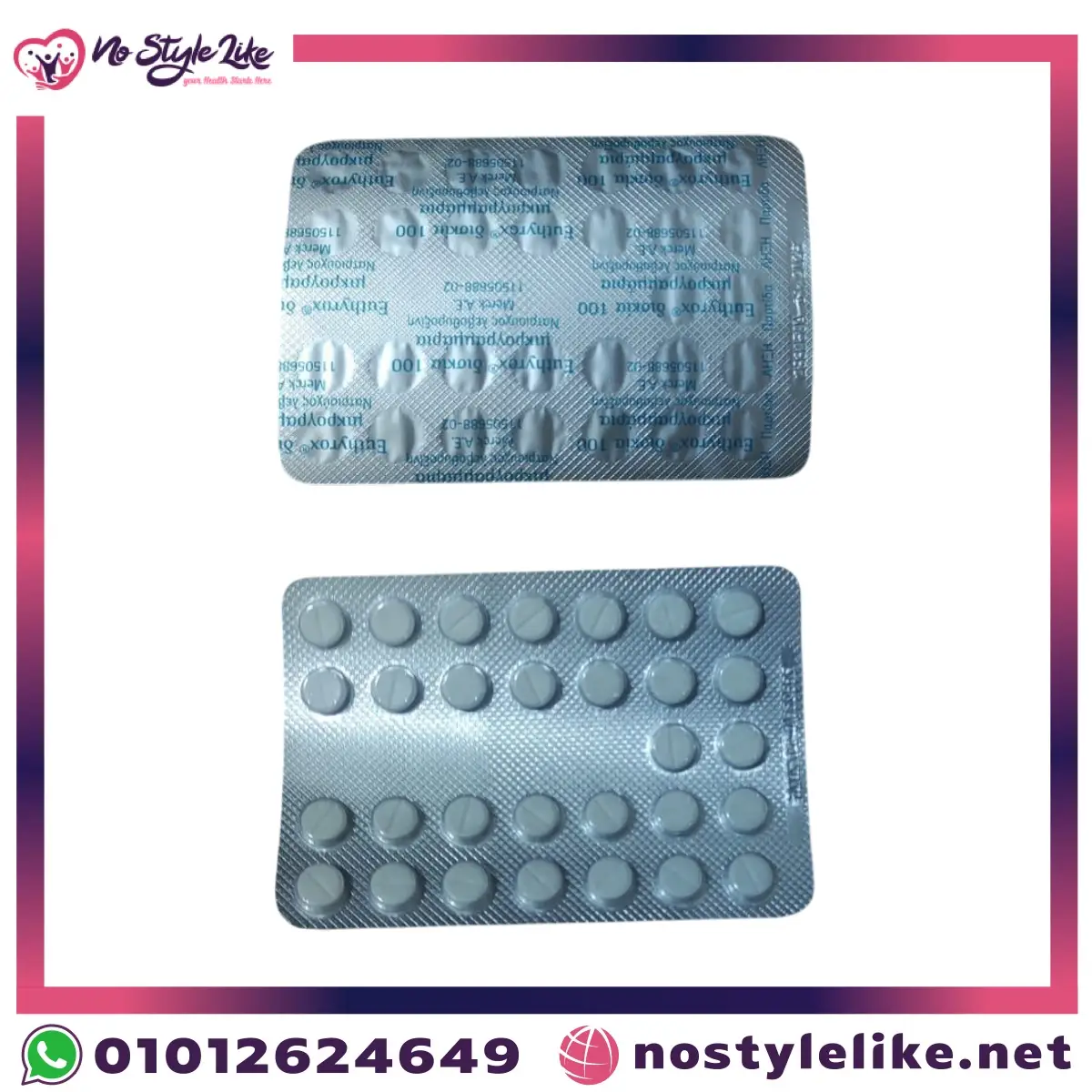
Store Euthyrox 100 mcg tablets strictly below 25°C in a dry environment. It is crucial to keep the aluminum blister packs securely housed inside their original cardboard carton to guard the active chemical structure against direct light and ambient humidity. Store well out of reach of children.
NSL Expert Opinion — Dr. Abdallah Fouad:“Over my 25+ years of clinical practice, I have frequently had to warn patients against buying this compound for aesthetic purposes. Remember: Euthyrox is strictly NOT a weight-loss drug. If your thyroid profile is completely normal, taking this hormone will not safely burn fat; instead, it causes severe muscle wasting and strains your heart muscle. Take it exclusively to correct verified endocrine deficiencies, always honoring the 30-to-60 minute fasting window before breakfast.”
Frequently Asked Questions
Q1: What is Euthyrox 100 mcg primarily used for?
A1: It is prescribed to treat hypothyroidism by replacing missing thyroid hormones and to suppress TSH levels in patients with specific thyroid cancers.
Q2: How long does it take for Euthyrox to show noticeable clinical results?
A2: Most individuals notice a structural improvement in energy levels and cognitive clarity within 2 to 4 weeks of continuous use.
Q3: Can I safely use Euthyrox 100 mcg to lose stubborn weight?
A3: Absolutely not. Euthyrox is NOT a weight-loss drug; misusing it for fat reduction without a clinical deficiency is medically dangerous.
Q4: Why must I take this tablet exactly on an empty stomach?
A4: Food, calcium, and caffeine severely inhibit the molecular absorption of Levothyroxine in the gut, making the dose ineffective.
Q5: Is it safe for pregnant women to continue taking Euthyrox?
A5: Yes, maintaining stable thyroid levels is crucial during pregnancy. Dose requirements frequently increase, requiring immediate consultation with your doctor.
Q6: What should I do if I accidentally forget a daily dose?
A6: Take it as soon as you remember. If your next scheduled dose is less than 12 hours away, skip the missed tablet completely. Never take a double dose.
Q7: Will Euthyrox cause me to experience hair loss?
A7: Mild, temporary hair shedding can occur during the first few weeks of initiating hormone therapy as your system recalibrates, but this soon normalizes.
Q8: Do I need to take this endocrine treatment for the rest of my life?
A8: In the vast majority of primary hypothyroidism and post-surgical thyroidectomy cases, treatment is lifelong.
Q9: Is it acceptable to drink my morning coffee immediately after my pill?
A9: No. You must wait between 30 to 60 minutes before drinking coffee, as caffeine seriously disrupts the hormonal absorption process.
Q10: What specific foods should be spaced away from my medication time?
A10: Avoid consuming soy products, walnuts, high-fiber dietary meals, and calcium-fortified juices close to your morning administration window.
Conclusion & Category Directory
Euthyrox 100 mcg remains a foundational gold standard for treating metabolic insufficiency caused by thyroid failure. When managed under systematic medical oversight with proper tracking, it successfully eliminates the structural symptoms of hypothyroidism. To explore our full medical catalog or view supporting care options, please visit the Weight Management Support Hub, purchase directly from our verified Euthyrox 100 mcg Portal, or check related endocrine health presentations via our general health listings.
Reviewed by: Dr. Abdallah Fouad, Clinical Nutrition Specialist — 25+ years of experience
Medical Disclaimer: The information provided regarding Euthyrox 100 mcg is strictly for educational purposes and matches institutional guidelines from MedlinePlus and the National Institutes of Health (NIH). It does not replace professional medical diagnosis, advice, or direct treatment plans from your personal endocrinologist.
How to check your pack is genuine
We import directly and hand over the box sealed, exactly as it reached us. Before you accept delivery, check these five things in front of the courier:
- Manufacturer and country of origin printed on the carton itself, not on a sticker placed over it.
- Expiry date and batch/lot number printed on the carton and repeated on the inner blister, and the two must match.
- The outer carton is intact, not opened or re-sealed, with complete blister strips and no missing tablets.
- The patient leaflet is inside, in the language of the country of origin, matching the strength printed on the box.
- Strength and tablet count on the carton are exactly what you ordered. Check both before paying.
The No Style Like guarantee
If anything above does not match on delivery, refuse the parcel on the spot and you pay nothing. Heat-sensitive medicines ship in packaging that protects the storage temperature, and we make sure the expiry date covers your full course. Message us on WhatsApp before ordering and we will send you a photo of the exact pack in stock with its expiry date.


Reviews
There are no reviews yet.