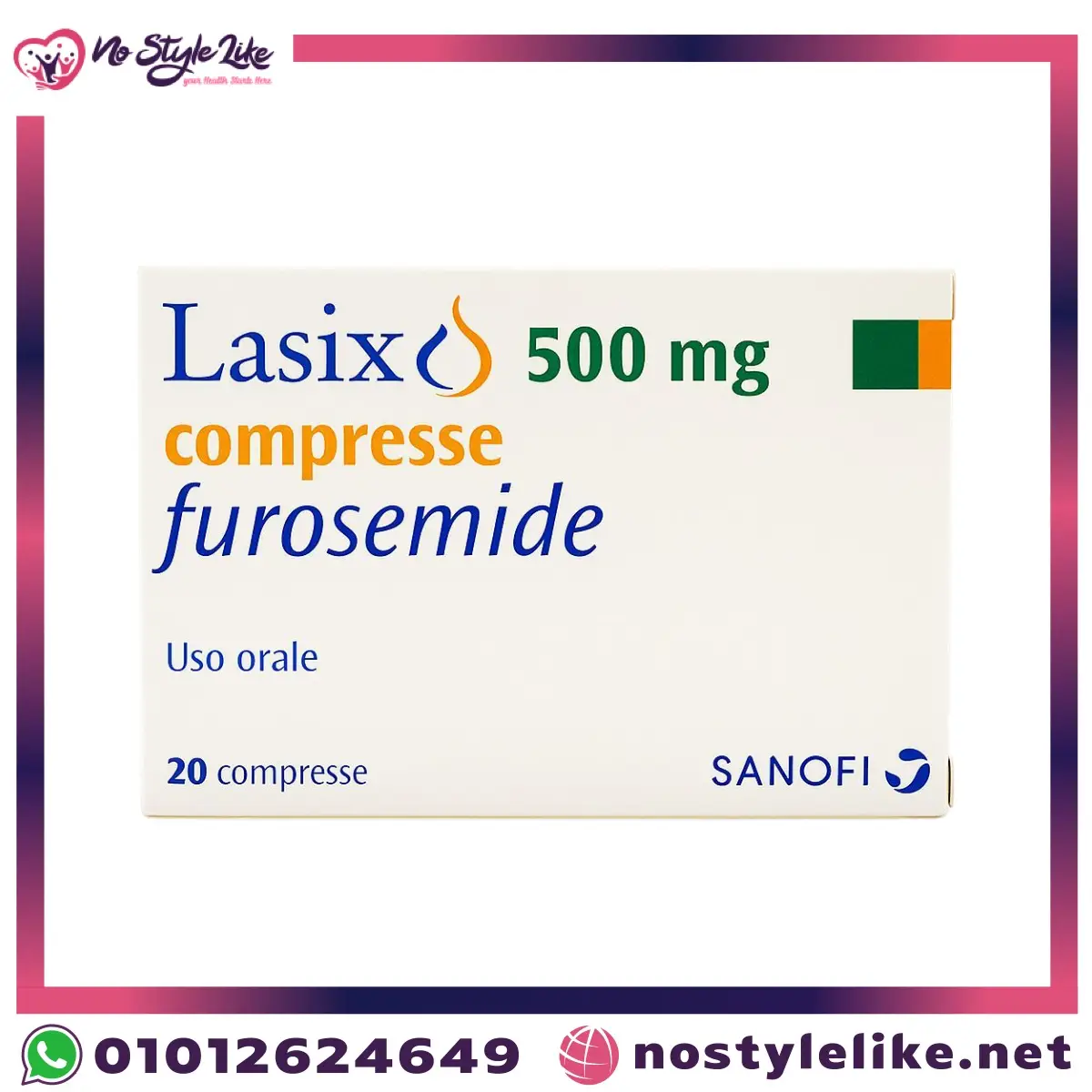
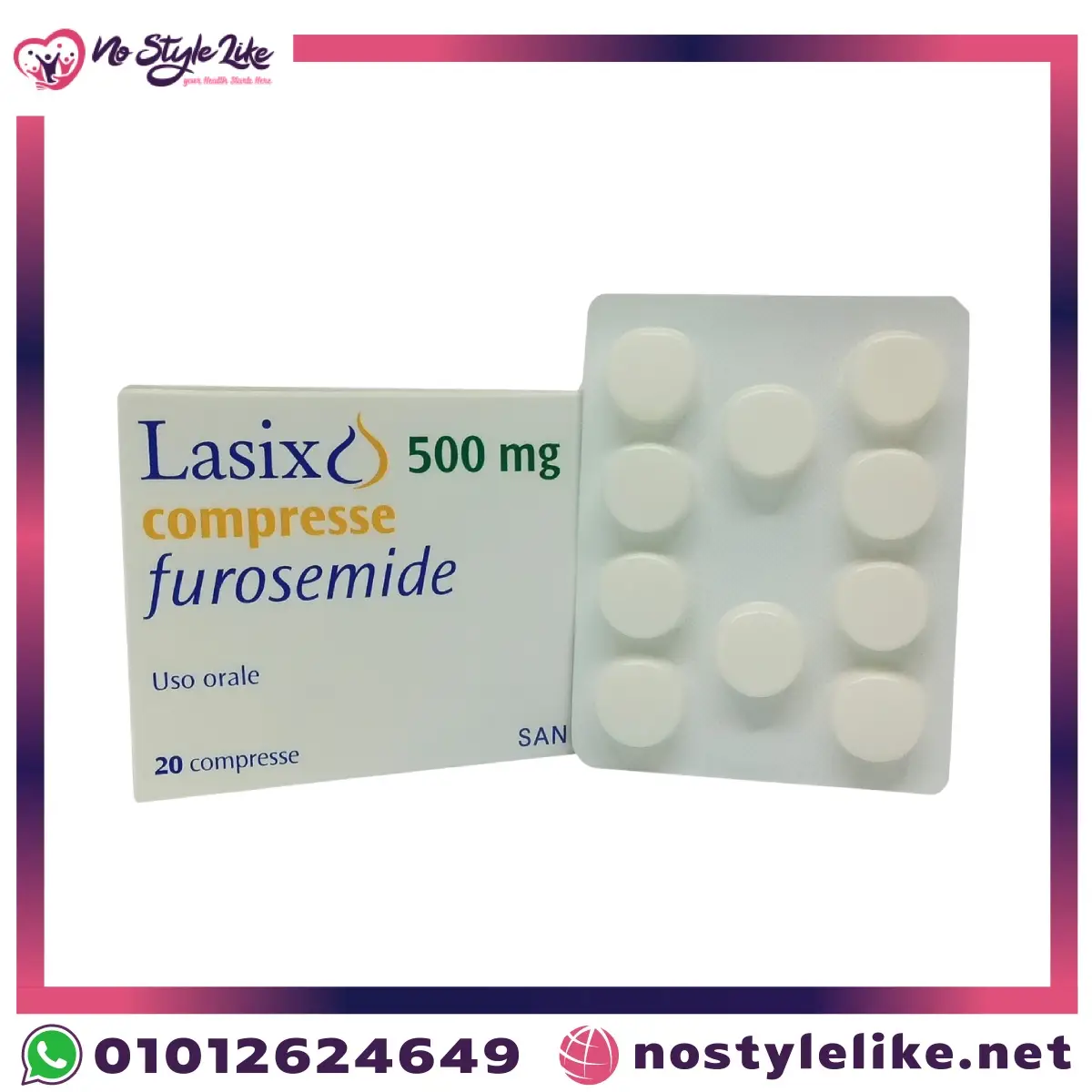






Lasix 500 mg Furosemide 20 Tablets | Powerful Diuretic for Edema & Hypertension
EGP1920
Lasix 500 mg Furosemide Tablets
Lasix 500 mg is a high-strength furosemide (loop diuretic) tablet that may be prescribed in
selected, specialist-managed cases—most commonly when severe fluid overload and markedly reduced kidney function
require individualized diuretic therapy.
This page is educational and does not replace medical advice. Always follow your prescriber and the leaflet inside your pack.
Lasix 500 mg tablets: Uses and side effects | No Style Like Store
Quick product details
- Active ingredient: Furosemide
- Strength: 500 mg per tablet
- Dosage form: Oral tablets
- Pack language: Often seen in Italian-market packaging (e.g., “compresse”, “uso orale”)
- Pack size shown in the provided images: 20 tablets
- Dispensing status: Prescription-only (Rx) in many countries
- Important excipient note: Some packs indicate lactose (check your leaflet if you have intolerance)
Introduction
Lasix 500 mg contains furosemide, a potent “water tablet” used to increase urine output and reduce excess fluid.
The 500 mg strength is generally considered a high-strength presentation and is typically reserved for
carefully selected cases under clinician supervision (often in advanced kidney-related fluid management).
Professional guidance matters: fluid balance and electrolytes can change quickly on loop diuretics.
Avoid self-medicating, dose changes, or “detox/weight-loss” use.
How to Use
Use Lasix 500 mg only exactly as prescribed. Your clinician will decide the dose, schedule,
and any adjustments based on your condition, kidney function, and lab results.
- Many patients are advised to take diuretics earlier in the day to reduce night-time urination.
- If you feel dizzy or lightheaded, avoid driving or operating machinery until you feel well again.
- Do not combine with other diuretics, supplements, or “water loss” products unless your clinician approves.
How It Works
Furosemide is a loop diuretic. It reduces salt reabsorption in the kidneys, which increases urine
output and helps the body eliminate excess water and sodium. The practical result is typically more frequent
urination for several hours after a dose.
Benefits
When prescribed for the right patient, Lasix 500 mg may support:
- Reduction of fluid overload symptoms (for example swelling due to fluid retention).
- Clinician-directed fluid management in advanced kidney-related conditions.
- Symptom relief plans that combine medication, diet, and monitoring.
Benefits depend on the underlying condition and your clinician’s plan. Lasix does not “cure” the cause of fluid retention.
Advantages
- High-strength option for specialist-managed cases when lower strengths are not appropriate.
- Fast functional effect (increased urination often starts within hours for many patients).
- Flexible medical tailoring: clinicians may adjust therapy based on urine output, weight, blood pressure, and labs.
Common Issues Solved
Clinicians may prescribe loop diuretics to help manage problems linked to excess fluid, such as:
swelling in legs/ankles, rapid weight gain due to fluid, or fluid-related breathing discomfort.
Your prescriber will confirm if these symptoms are fluid-related and whether Lasix is appropriate.
Important Information
- Prescription medicine: Lasix 500 mg is commonly dispensed with a medical prescription.
- Dehydration & electrolytes: excessive water/salt loss can be dangerous—monitor as advised.
- Kidney and blood pressure monitoring: your plan may require regular clinic follow-up.
- Lactose note: some presentations contain lactose—check the leaflet if you have intolerance.
- Athletes: furosemide is widely recognized in anti-doping rules as a diuretic/masking agent.
Myths Correction
- Myth: “Lasix 500 mg is a safe way to lose weight.” Reality: rapid water loss is not fat loss and may be dangerous.
- Myth: “Higher mg means better for everyone.” Reality: higher strength increases the need for careful monitoring and individualized prescribing.
- Myth: “No tests are needed.” Reality: clinicians commonly monitor electrolytes and kidney function.
- Myth: “It’s fine to mix with any painkiller.” Reality: some medicines (including certain anti-inflammatory painkillers) may reduce effect or affect kidneys.
Expected Results
- More frequent urination after dosing (often for several hours).
- Over time, clinician-guided reduction in fluid-related symptoms if fluid overload is the cause.
- Possible dose or plan adjustments based on response, weight tracking, blood pressure, and lab results.
NSL Tip
Keep a simple daily log (morning weight, swelling, urine output changes, dizziness) and bring it to follow-ups.
These notes help your clinician personalize your plan safely.
Who Is It For / Not For
Who it may be for
Patients who have been specifically prescribed Lasix 500 mg by a clinician—often in complex fluid management where
kidney function is severely reduced and close supervision is planned.
Who it may not be for
- Anyone without a prescription or medical follow-up plan.
- People with dehydration or severe electrolyte imbalance.
- Anyone with a known allergy to furosemide (or similar reactions in the past).
- Athletes seeking weight cutting or masking—this is unsafe and may violate anti-doping rules.
How to Get Best Results
- Take exactly as prescribed and do not change the dose on your own.
- Ask your clinician how much fluid and salt is appropriate for your condition.
- Keep follow-up appointments and do lab tests on time.
- Report dizziness, cramps, weakness, hearing changes, or very low urine output promptly.
Contraindications
Do not use Lasix 500 mg unless your prescriber confirms it is appropriate.
Commonly recognized contraindications for furosemide products include anuria and known hypersensitivity to furosemide.
Additional exclusions may apply depending on your medical status and local leaflet.
Drug Interactions
Tell your clinician about every medicine you take, including OTC products.
Important interactions commonly highlighted for furosemide include:
- NSAIDs / anti-inflammatory painkillers: may reduce diuretic effect and may affect kidney function in some patients.
- Lithium: diuretics can raise lithium toxicity risk.
- Aminoglycoside antibiotics and other ototoxic drugs: may increase hearing-related risk.
- Sucralfate: may reduce effect—separation in timing may be advised by a clinician.
- Other blood pressure medicines: additive blood-pressure lowering may occur.
Required Tests
Your prescriber may request tests before and during therapy to improve safety, commonly including:
- Serum electrolytes (especially potassium; often also sodium, magnesium, and calcium).
- Kidney function (e.g., creatinine and urea/BUN).
- Blood pressure and body weight (fluid balance tracking).
- Additional tests in selected patients (e.g., glucose or uric acid monitoring when relevant).
What to Eat
Diet advice depends on your diagnosis (heart, kidney, liver, etc.). Your clinician may recommend salt restriction
and may advise specific potassium guidance depending on your labs and medicines.
Do not start potassium supplements without professional advice.
Improvement Timeline
- Same day: increased urination may appear within hours.
- Days to weeks: symptom changes (swelling, breathing comfort) may improve if fluid overload is the driver.
- Ongoing: dose and plan may be adjusted based on clinical response and lab monitoring.
Effect on Other Medications
Furosemide can change blood pressure and kidney handling of electrolytes, which may affect how other medicines behave.
Your clinician may adjust antihypertensives, diabetes therapy, gout management, or other treatments based on your response.
When to See a Doctor
Seek medical advice urgently if you develop signs of significant dehydration or electrolyte imbalance
(severe dizziness/fainting, confusion, extreme weakness, very low urine output), allergic reactions (swelling, rash,
trouble breathing), severe abdominal pain, or hearing changes (ringing in ears or hearing loss).
FAQ
Is Lasix 500 mg the same as regular Lasix?
It contains the same active ingredient (furosemide) but at a much higher strength. High-strength presentations
are usually reserved for specialist-managed cases.
How fast does Lasix 500 mg work?
Many people notice increased urination within hours, but exact timing and intensity depend on your condition and plan.
Can I use Lasix 500 mg for weight loss?
No. Using diuretics for weight loss is unsafe and can cause dehydration and electrolyte imbalance.
Do I need blood tests?
Often yes. Clinicians commonly monitor electrolytes and kidney function to reduce risk.
Which medicines should I mention to my doctor?
All of them—especially NSAIDs, lithium, certain antibiotics, stomach-protecting agents like sucralfate,
and blood pressure medicines.
Can I drive after taking it?
If you feel dizzy, lightheaded, or unwell, avoid driving and using machinery until you recover.
Is Lasix 500 mg allowed in competitive sports?
Furosemide is widely recognized under anti-doping rules as a diuretic/masking agent. Athletes should check current rules
and discuss Therapeutic Use Exemptions with their medical team where applicable.
Conclusion
Lasix 500 mg is a high-strength furosemide tablet typically used in carefully selected cases under medical supervision.
For safe use, follow your prescription, keep up with lab monitoring, and report warning symptoms early.