


Zyprexa Weight Gain: 6 Questions on Appetite and Monitoring
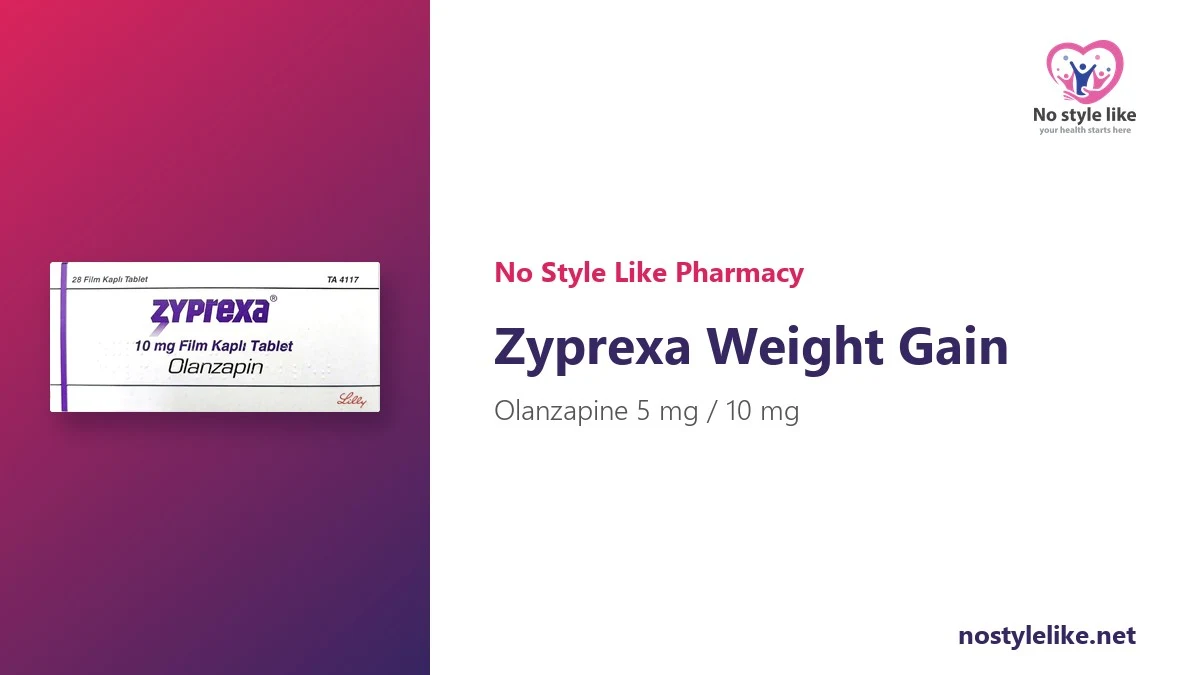
Zyprexa Weight Gain: What You Should Know
Some people notice a bigger appetite after starting olanzapine and begin to worry about their treatment. Zyprexa weight gain is a real and common side effect, but the answer is monitoring and an honest talk with the doctor, not lowering or stopping the dose alone. This article answers 6 common questions about appetite, blood sugar and lipids. Zyprexa is a prescription antipsychotic, and a valid prescription from a psychiatrist is always needed.
1. How Real Is Zyprexa Weight Gain?
Weight gain and increased appetite are listed among the common side effects of olanzapine, alongside raised blood sugar, cholesterol and triglycerides. The effect differs from one person to another and cannot be predicted exactly before treatment begins. That is why the medical plan for zyprexa weight gain relies on regular measurements rather than guesswork, and why the first readings are taken at the start of treatment.
2. Is It a Weight-Gain or Appetite Product?
No. Olanzapine is not a weight-gain or appetite product, and it is not a sleeping pill. Zyprexa weight gain is an unwanted side effect, never a treatment goal. Nobody who is underweight or has a poor appetite should use this medicine or take tablets from someone else. It acts on dopamine D2 and serotonin 5-HT2A receptors in the brain and carries serious risks for blood sugar, lipids and movement.
3. What Monitoring Does Zyprexa Weight Gain Require?
Your doctor arranges checks at baseline and periodically, and sets their timing for your situation:
| Check | Why it matters |
|---|---|
| Weight and BMI | Spots gain early |
| Waist | Tracks change around the abdomen |
| Fasting glucose or HbA1c | Detects raised blood sugar |
| Lipids | Tracks cholesterol and triglycerides |
A blood count may be added when risk factors exist, and movement side effects are watched as well. Monitoring for zyprexa weight gain applies on Zyprexa 5 mg just as it does on Zyprexa 10 mg, so a lower strength does not remove the need for follow-up. Long-term metabolic checks remain part of treatment.
4. Who Needs Closer Attention?
- People with diabetes or at risk of diabetes.
- People with high cholesterol or obesity.
- Adolescents aged 13 to 17, for whom the US label makes it second-line because of more weight gain and lipid changes.
- People with heart disease or a history of stroke, who need caution before treatment.
If any of these apply, tell the doctor before you begin so that a plan for Zyprexa weight gain is in place from the first day.
5. Why You Should Never Lower the Dose Alone
Cutting back tablets can feel like a simple fix for zyprexa weight gain, but it can bring withdrawal symptoms and relapse. Book an earlier appointment instead and share your numbers. The doctor weighs the benefit against the side effect and decides what happens next. Read Zyprexa dosage to learn how doses are set, and stopping Zyprexa to understand the risks of ending treatment without a plan.
6. Everyday Steps if Zyprexa Weight Gain Worries You
- Record your weight regularly, note any extra hunger and show this to your doctor.
- Ask which eating pattern and physical activity suit your condition.
- Drink enough water and avoid dehydration and overheating.
- Do not use slimming medicines or herbs before asking your doctor or pharmacist.
- Keep every blood test appointment, even when you feel well.
- Rise slowly, because dizziness on standing is also a common effect.
Urgent Signs During Treatment
Zyprexa weight gain is more than a matter of appearance, since blood sugar can climb severely. Seek urgent medical care for any of the following:
- High fever with stiff muscles, confusion, sweating and a fast heartbeat, which can signal neuroleptic malignant syndrome.
- Intense thirst and frequent urination, which can signal severe high blood sugar or diabetic ketoacidosis.
- Rash with fever and swollen glands (DRESS).
- Involuntary movements of the face or tongue (tardive dyskinesia).
- Seizures, fainting or signs of a blood clot.
- Fever or infection that may point to low white blood cells.
- Suicidal thoughts or thoughts of self-harm.
Olanzapine also carries a boxed warning: older people with dementia-related psychosis treated with antipsychotics have an increased risk of death, and Zyprexa is not approved for dementia-related psychosis. It is not a treatment for dementia behaviours either.
Frequently Asked Questions About Zyprexa Weight Gain
Is a bigger appetite a reason to quit?
Do not quit by yourself. Tell your doctor, who can review the options and the next steps with you.
Is checking my weight enough?
No. Blood sugar, cholesterol and triglycerides can rise too, so the blood tests your doctor orders still matter.
Does smoking make a difference?
Smoking lowers olanzapine levels, so tell your doctor if you start or stop smoking.
Is it safe during pregnancy?
That is a medical decision. Third-trimester exposure can cause movement and withdrawal symptoms in newborns, but never stop without the doctor.
Conclusion
Managing Zyprexa weight gain means regular checks of weight, waist, glucose and lipids and open conversations with the doctor, never lowering or stopping the dose alone. Olanzapine is not a weight-gain or appetite product. With a valid psychiatrist prescription, Zyprexa 5 mg and Zyprexa 10 mg are available at No Style Like Pharmacy.
This article was reviewed by the No Style Like pharmacy content team. It is for general awareness only and does not replace advice from your doctor or pharmacist. Zyprexa is a prescription medicine and always needs a valid prescription from a psychiatrist.
Do not change or stop Zyprexa because of weight without your psychiatrist. For more information see the NHS olanzapine page.