


Eye Vitamins: 5 Nutrients That Matter and What They Cannot Do
Do Eye Vitamins Really Work?
Eye vitamins are among the most popular supplements, but they are often misunderstood. Some nutrients are essential for vision, and one formula has strong evidence for a specific disease. Others have only early data. And no supplement can correct short sight, long sight or astigmatism. This guide covers 5 key nutrients and when a doctor, not a capsule, is what you need.
Eye Vitamins at a Glance
| Nutrient | What the evidence says | Main caution |
|---|---|---|
| Vitamin A | Essential for night vision; supplements help only if you are deficient | Upper limit 3,000 mcg a day; avoid high doses in pregnancy |
| Lutein and zeaxanthin | Part of AREDS2 for intermediate AMD; raise macular pigment | Harmless skin yellowing at very high intakes |
| Astaxanthin | Small studies on eye strain; early-stage evidence | Few long-term data |
| Omega-3 | Mixed results for dry eye; no benefit for AMD in AREDS2 | Bleeding risk with blood thinners at high doses |
| Vitamins C, E, zinc, copper | Part of the AREDS2 formula for intermediate AMD | High zinc needs copper; ask your doctor |
1. Vitamin A: Essential, but the Dose Matters
Vitamin A helps the retina make the pigment needed to see in dim light, and it keeps the surface of the eye healthy. Deficiency causes night blindness and dry, damaged eyes, and in poor countries it remains a leading cause of preventable blindness in children. Most people in Egypt who eat dairy, eggs, liver and orange or green vegetables get enough.
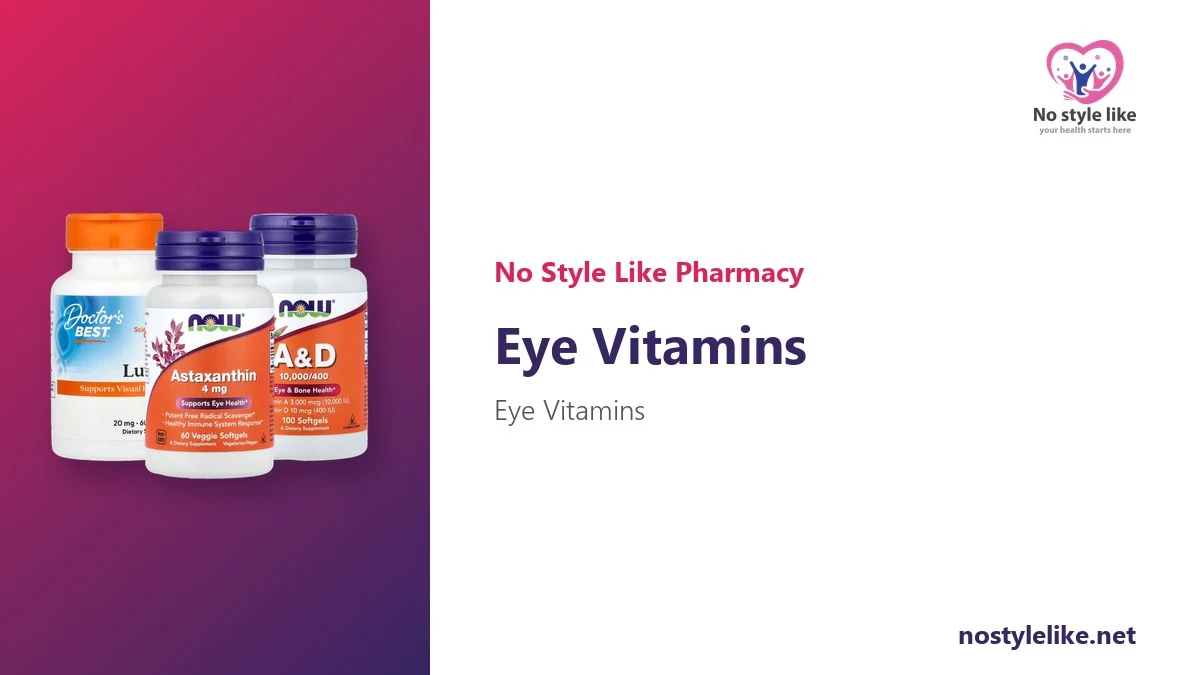
Too much preformed vitamin A is harmful. The adult upper limit is 3,000 mcg RAE (10,000 IU) a day. Each softgel of NOW Vitamin A and D provides exactly 3,000 mcg RAE (10,000 IU) of vitamin A as retinyl palmitate plus 400 IU of vitamin D3, taken as 1 softgel daily with a meal. Do not use it if you are pregnant, may become pregnant or are breastfeeding, because high-dose retinol can cause birth defects. Do not combine it with other vitamin A supplements, cod liver oil or isotretinoin, and avoid it with liver disease. For vitamin D read vitamin D3 dosage.
2. Lutein and Zeaxanthin
These carotenoids build the macular pigment. Doctor’s Best Lutein 20 mg provides 20 mg of lutein and 1 mg of zeaxanthin per softgel, once daily, best with a meal containing fat. Read lutein benefits for the details, including why smokers should choose lutein over beta-carotene.
3. Astaxanthin
This algae carotenoid has small studies suggesting modest relief of eye fatigue in screen users. NOW Astaxanthin 4 mg provides 4 mg per softgel, 1 to 2 times daily with food. Read astaxanthin benefits to see the limits of the evidence.
4. Omega-3 and Dry Eye
Omega-3 fatty acids from fish oil are widely used for dry eye. Early small studies were positive, but the large DREAM trial found fish oil no better than an olive oil placebo. Results remain mixed, and AREDS2 found no benefit of omega-3 for AMD. Eating oily fish is still good for general health; see omega-3 for heart health. Persistent dry eye needs an eye exam and proper treatment.
5. AREDS2: Eye Vitamins for Intermediate AMD Only
The AREDS2 formula contains vitamin C 500 mg, vitamin E 400 IU, zinc 80 mg, copper 2 mg, lutein 10 mg and zeaxanthin 2 mg. It slows progression in people with intermediate AMD or advanced AMD in one eye. It is not proven to prevent AMD in healthy people or to help early AMD, and an ophthalmologist should confirm the stage first. Combining these eye vitamins with other supplements can push zinc or vitamin A too high.
What Eye Vitamins Cannot Do
- They do not fix refractive errors; glasses, contact lenses or surgery do.
- They do not treat glaucoma, which needs pressure-lowering treatment.
- They do not dissolve cataracts.
- They do not replace blood sugar control for diabetic eye disease.
When to See an Ophthalmologist
- Sudden loss of vision, flashes of light, a shower of floaters or a curtain over your vision: go urgently.
- Wavy or distorted straight lines, or a dark spot in the centre.
- A painful red eye, or poor vision in dim light.
- Diabetes, high blood pressure, a family history of glaucoma or AMD, or age over 40: regular checks.
Frequently Asked Questions About Eye Vitamins
Do eye vitamins improve eyesight?
Not in people who are not deficient. They will not reduce your glasses prescription.
Can children take eye vitamins?
Only on medical advice; adult eye vitamins are not designed for children. The products here are for adults, and the vitamin A dose is far above children’s needs.
Conclusion
Eye vitamins are not a shortcut to perfect sight, but eye vitamins can help in specific cases: vitamin A for true deficiency, AREDS2 for intermediate AMD, and lutein or astaxanthin as reasonable extras. Respect the vitamin A upper limit, avoid it in pregnancy, and keep up regular eye exams. You can find Doctor’s Best Lutein, NOW Astaxanthin and NOW Vitamin A and D at No Style Like pharmacy.
This article was reviewed by the No Style Like pharmacy content team. It is for general awareness only and does not replace advice from your doctor, ophthalmologist or pharmacist.
Pregnant women must avoid high-dose vitamin A supplements; ask your doctor before any eye supplement. For more information see the NIH Office of Dietary Supplements vitamin A fact sheet.