





Description
Introduction:
Are you struggling with chronic joint pain, swelling, and stiffness caused by autoimmune inflammation?
Meet Actemra (Tocilizumab) — a breakthrough biologic therapy from Roche, designed to target interleukin-6 (IL-6), one of the key drivers of inflammation in rheumatoid arthritis and related conditions.
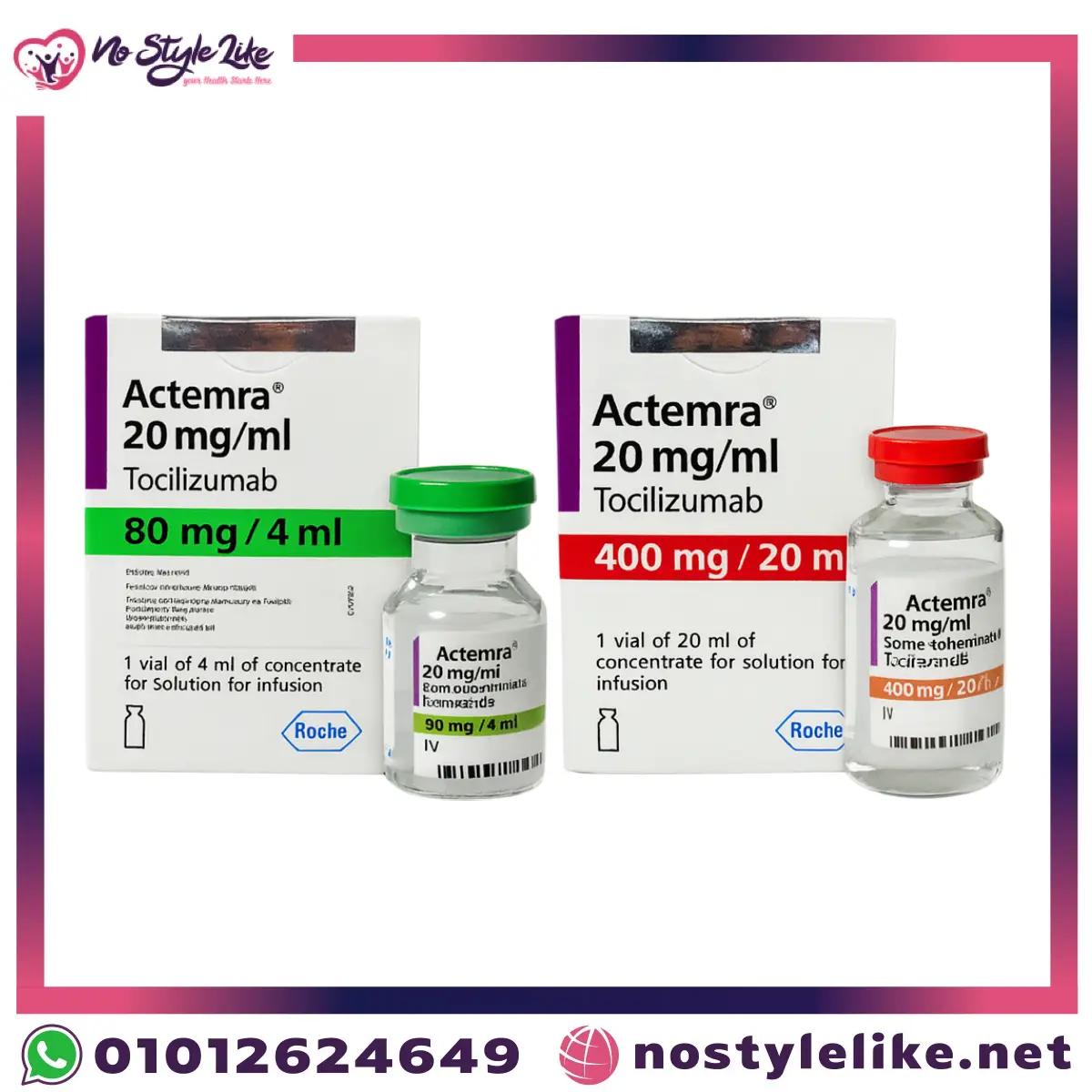
This article explores all available Actemra formulations (80mg/4ml, 200mg/10ml, 400mg/20ml IV vials, and 162mg/0.9ml prefilled syringes), their uses, dosage, safety profile, and benefits — helping you understand which option best fits your treatment plan.
What is Actemra (Tocilizumab)?
Actemra is a monoclonal antibody medication that blocks interleukin-6 receptors (IL-6R). By doing so, it reduces inflammation, joint damage, and pain in autoimmune diseases.
It’s FDA-approved for rheumatoid arthritis (RA), juvenile idiopathic arthritis (JIA), and giant cell arteritis (GCA), and has been used under strict medical supervision for severe COVID-19 pneumonia.
Actemra Available Forms & Concentrations:
Actemra 80mg/4ml Vial
Concentration: 80 mg Tocilizumab in 4 ml solution.
Route: Intravenous (IV) infusion.
Ideal for weight-based dosing in pediatric or light-weight patients.
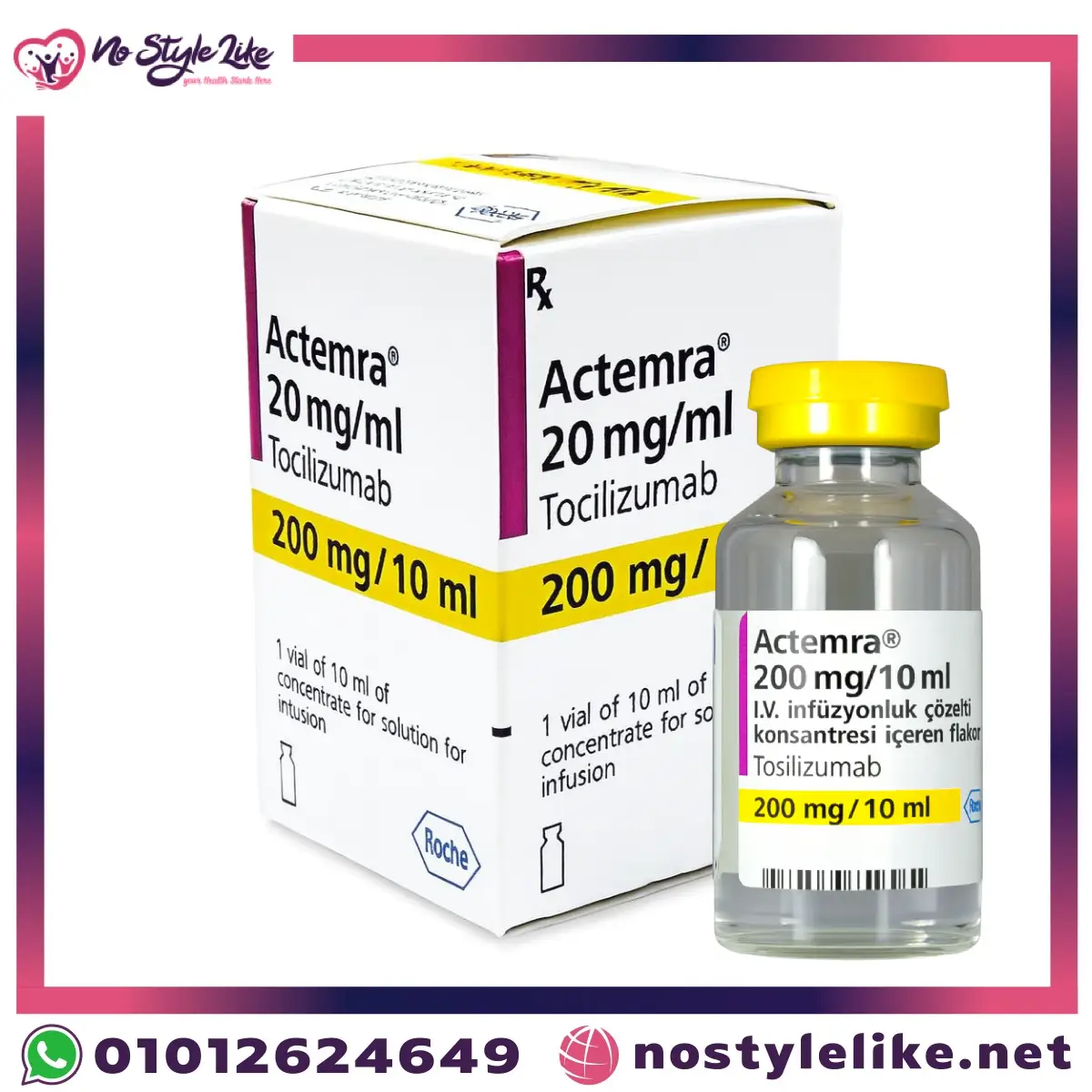
Actemra 200mg/10ml Vial
Concentration: 200 mg Tocilizumab per 10 ml vial.
Use: IV infusion for adults with moderate to severe RA.
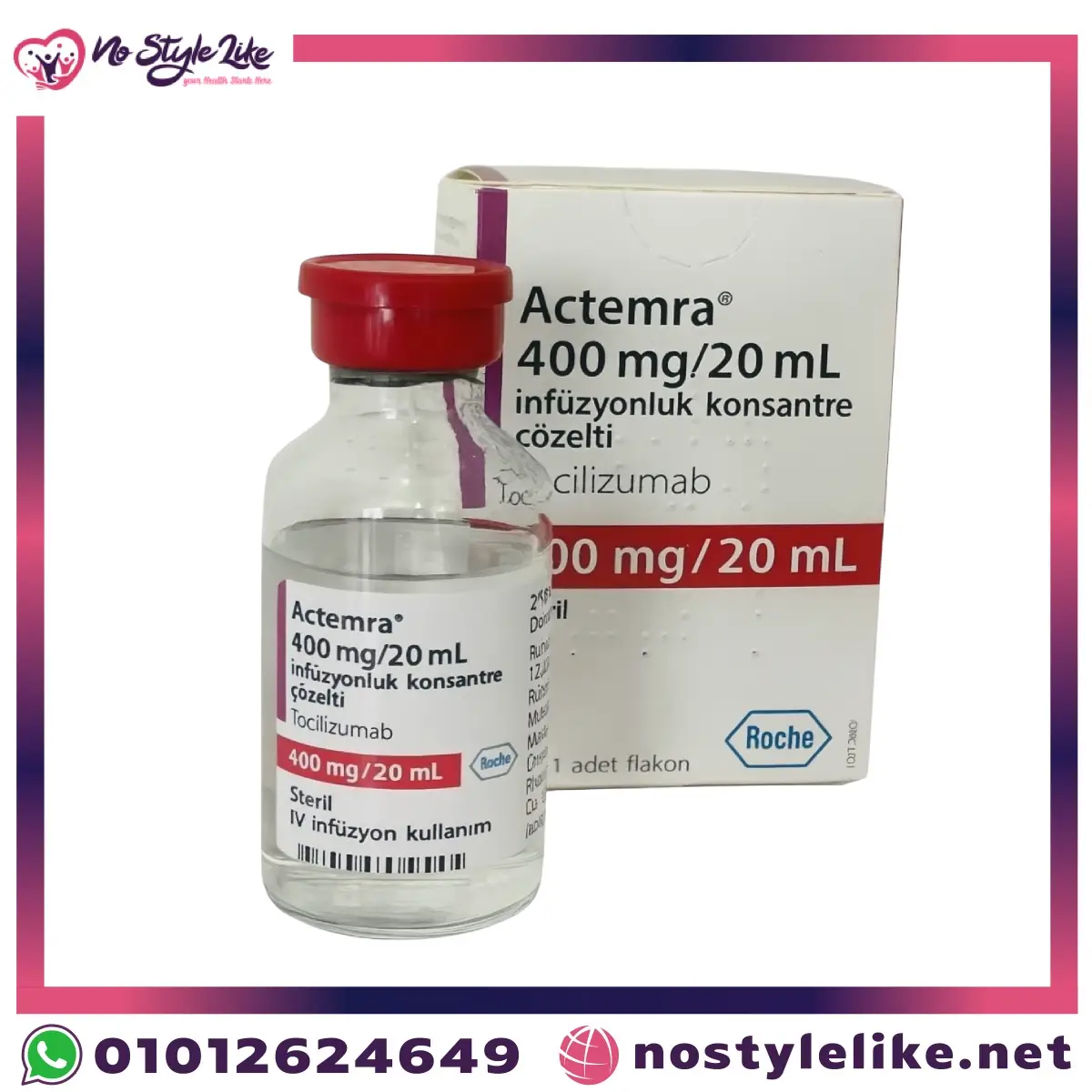
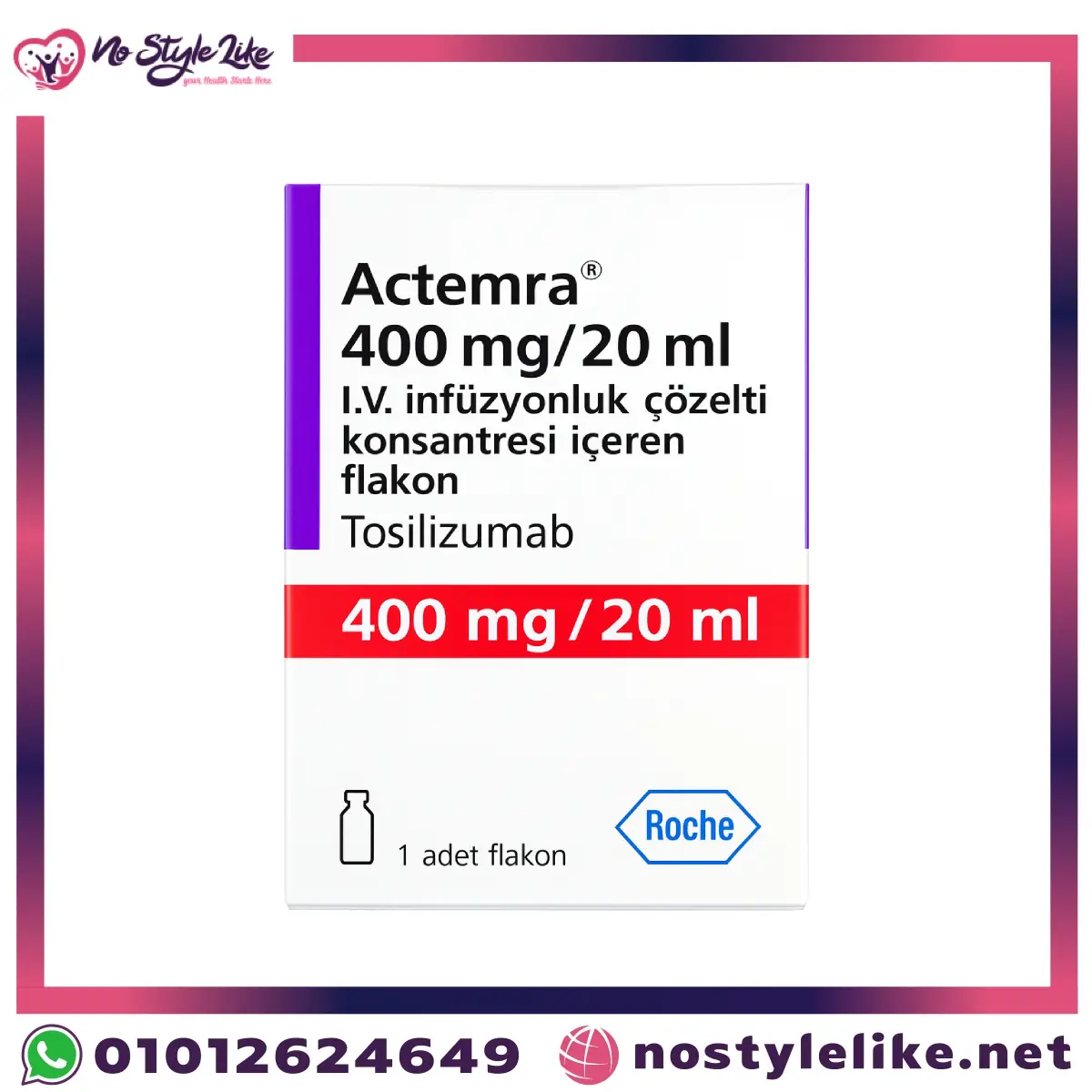
Actemra 400mg/20ml Vial
Concentration: 400 mg/20 ml solution.
Use: For patients requiring higher doses or longer infusion intervals.
Typically used in hospitals under specialist supervision.
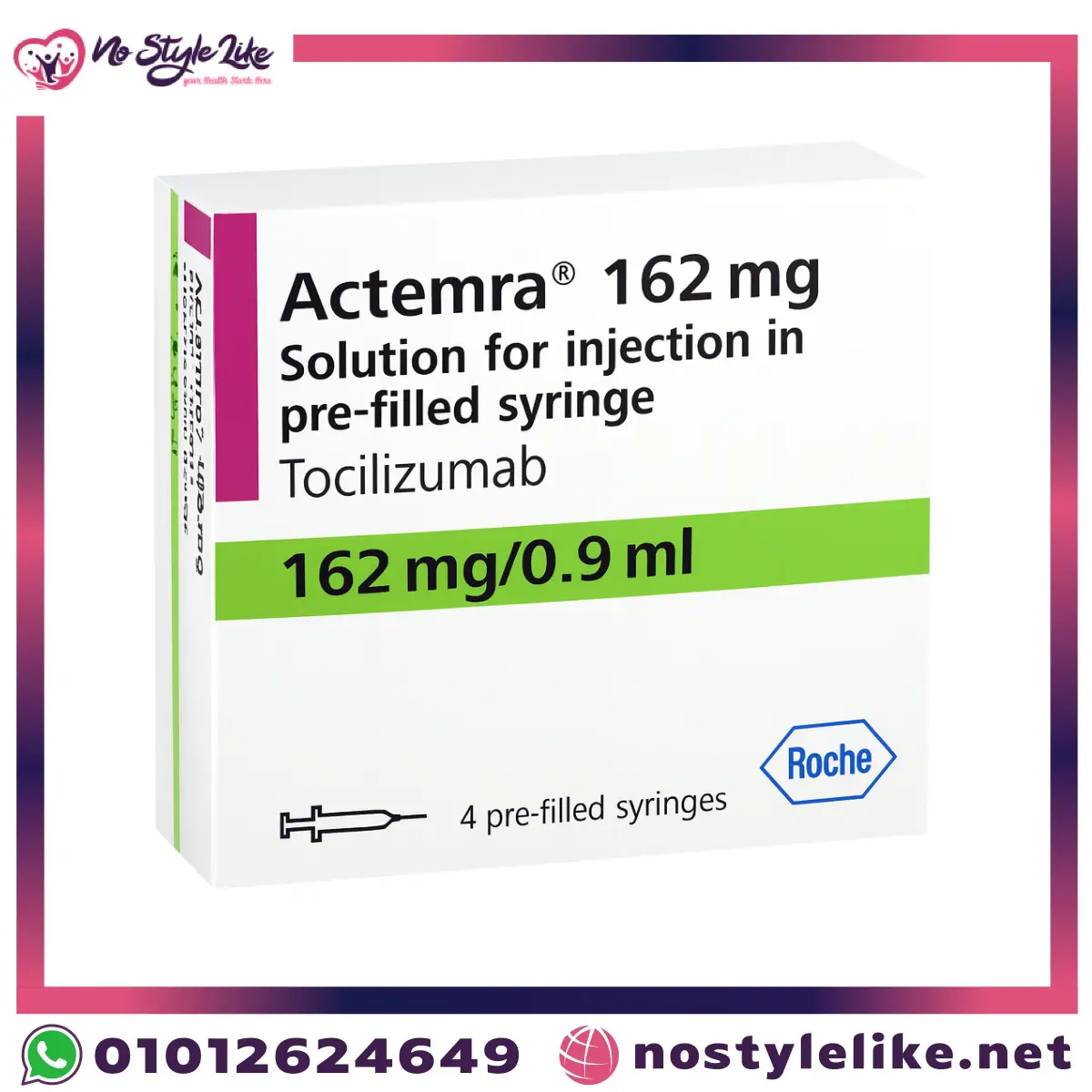
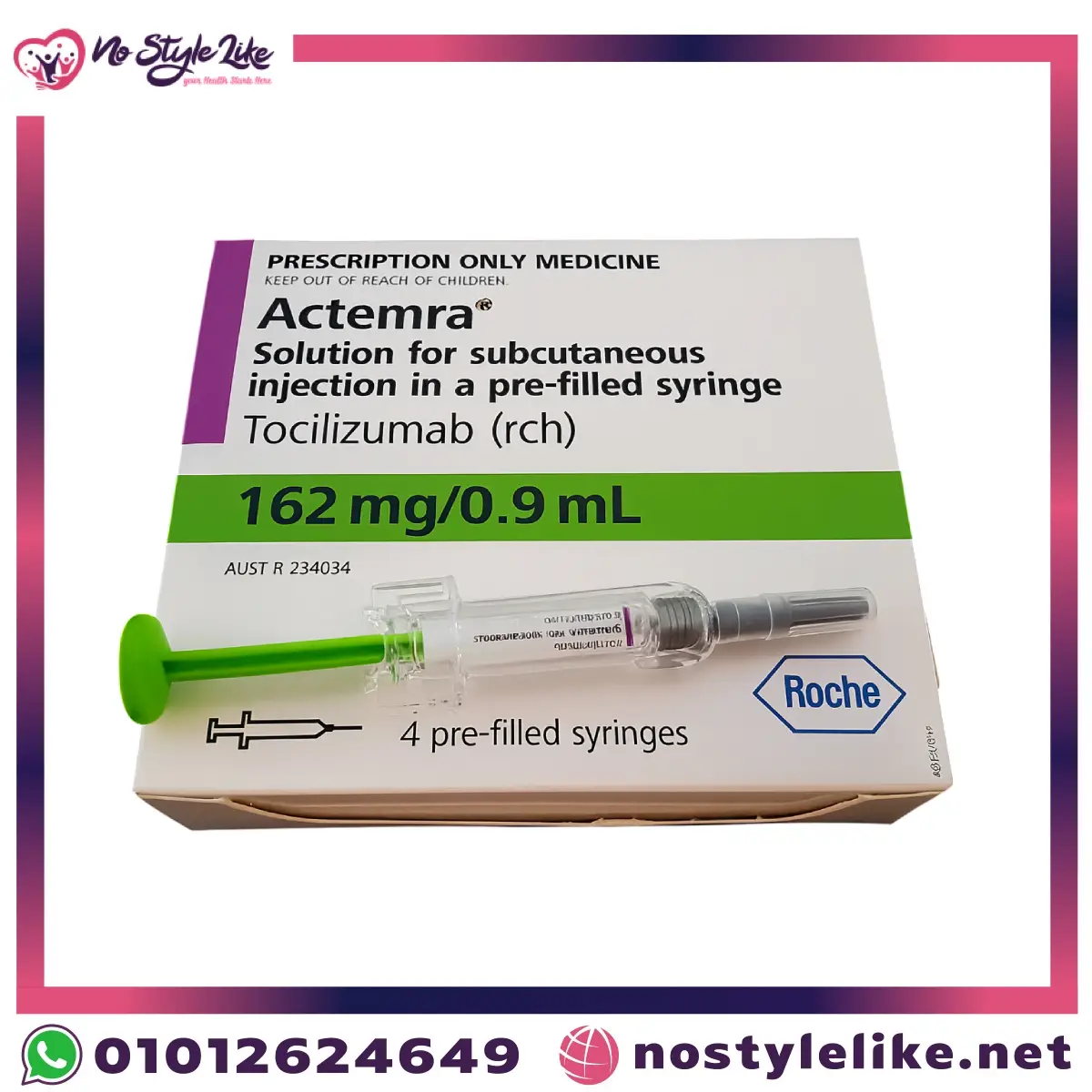
Actemra 162mg/0.9ml Prefilled Syringe
Form: Subcutaneous injection (ready-to-use).
Use: For patients preferring at-home therapy or weekly dosing.
Frequency: Weekly or every two weeks as prescribed.
Indications & Therapeutic Uses:
Actemra is indicated for:
Rheumatoid Arthritis (RA) – moderate to severe cases.
Juvenile Idiopathic Arthritis (JIA) – in children aged ≥2 years.
Giant Cell Arteritis (GCA) – inflammation of large blood vessels.
Cytokine Release Syndrome (CRS) – from CAR-T therapy.
Severe COVID-19 Pneumonia – under hospital supervision.
Autoimmune Inflammatory Disorders – off-label under guidance.
Mechanism of Action:
Actemra works by blocking the IL-6 receptor, a cytokine responsible for inflammation and tissue damage.
By inhibiting IL-6, Actemra reduces inflammation, swelling, and pain, improving joint function and overall quality of life.
Dosage & Administration:
IV Infusion (80mg, 200mg, 400mg vials):
Administered over 1 hour every 4 weeks.
Dose: 8 mg/kg body weight (max 800 mg per infusion).
Diluted in 100 ml normal saline before infusion.
Subcutaneous Injection (162mg/0.9ml):
Given once weekly or every other week.
Injected into the thigh, abdomen, or upper arm.
Can be self-administered after proper training.
⚠️ Important: Always follow your doctor’s instructions. Do not adjust dosage or skip doses without consultation.
Warnings & Precautions:
Do not use if allergic to Tocilizumab.
Avoid use during active infections (e.g., tuberculosis).
Monitor liver enzymes and blood cell counts regularly.
Use with caution in liver impairment or high cholesterol.
Not recommended during pregnancy or breastfeeding without medical approval.
Side Effects:
Most side effects are mild to moderate and improve with time:
Upper respiratory tract infections.
Headache, dizziness.
Increased ALT/AST liver enzymes.
High cholesterol levels.
Injection site redness (subcutaneous form).
Rare: serious allergic reaction (anaphylaxis).
Tip: Regular check-ups help detect and manage side effects early.
Drug Interactions:
Actemra may alter the metabolism of drugs metabolized by CYP450 enzymes.
Discuss with your doctor if you take:
Warfarin, Phenytoin, or Cyclosporine
Corticosteroids or immunosuppressants
Antibiotics or antivirals
Always inform your healthcare provider about all medications you use.
⭐ User Rating:
⭐⭐⭐⭐⭐
Actemra by Roche is highly rated by patients for its efficacy in controlling RA symptoms, reducing inflammation, and improving joint mobility under specialist care.
Internal Links:
10 Frequently Asked Questions (FAQs):
1. What is Actemra used for?
It’s used to treat rheumatoid arthritis, JIA, and other autoimmune diseases.
2. How does Actemra work?
It blocks IL-6 receptors, reducing inflammation and pain.
3. What’s the difference between IV and subcutaneous forms?
IV forms (80/200/400mg) are infused in hospitals, while 162mg is a prefilled syringe for at-home use.
4. How long does it take to work?
Patients often notice improvement within 4–8 weeks.
5. Can Actemra be used with Methotrexate?
Yes, it’s often combined with Methotrexate for enhanced effect.
6. Is Actemra safe during pregnancy?
Use only if clearly needed and under medical supervision.
7. What should I do if I miss a dose?
Take it as soon as possible unless it’s close to your next scheduled dose.
8. Does Actemra affect immunity?
It modulates immune response and may increase infection risk slightly.
9. Can children take Actemra?
Yes, for JIA in children aged 2 years and above.
10. How should Actemra be stored?
Refrigerate between 2°C–8°C, do not freeze, and protect from light.


Reviews
There are no reviews yet.