


Description
Juvederm Voluma with Lidocaine 2 x 1 ml – Deep Volume Filler for Cheeks, Chin and Temples: A Complete 22-Section Guide
Quick answer:
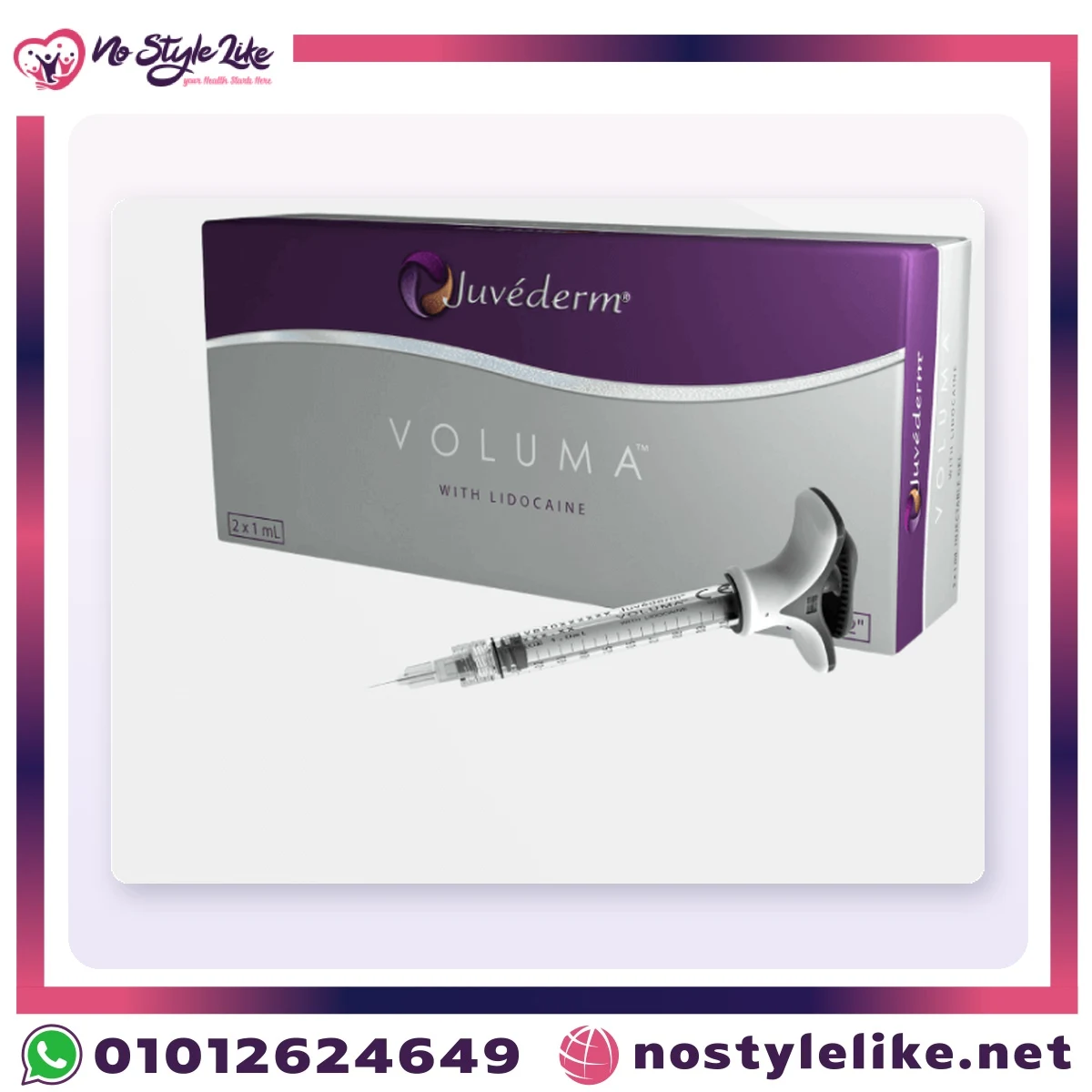
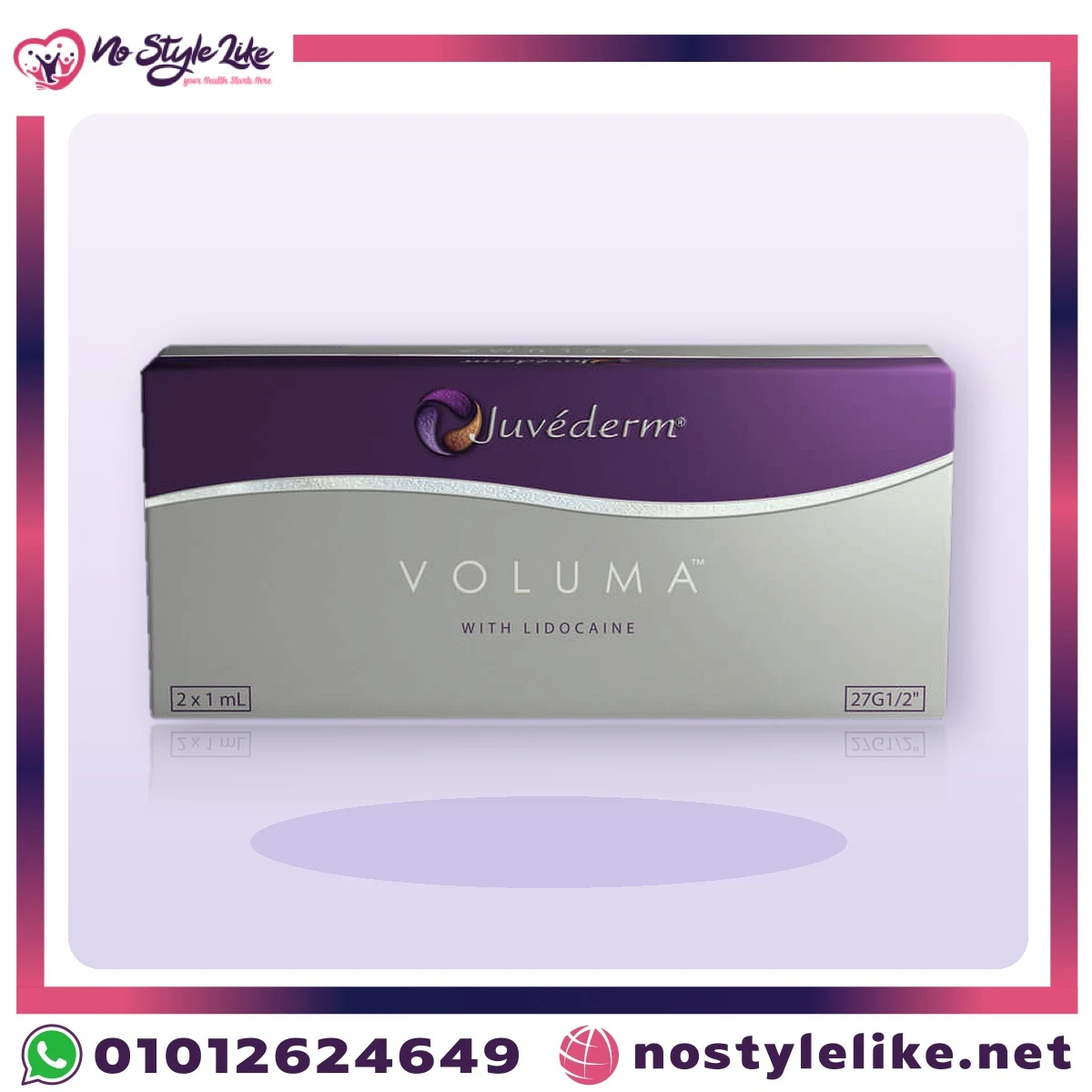
Juvederm Voluma with Lidocaine by Allergan (an AbbVie company) is a deep volumising hyaluronic acid gel: 20 mg/ml cross-linked HA made with VYCROSS technology plus 0.3% lidocaine for comfort, in a box of 2 prefilled 1 ml syringes with 27G needles. It is a prescription medical device injected only by a qualified, trained doctor in a clinic after a face-to-face assessment. It is never self-injected and is not meant for use at home. Doctors use it to restore or create volume in the cheeks and midface, chin and jawline and temple hollows. Results appear straight away and may last up to about 18-24 months in the cheeks, but they vary from person to person.
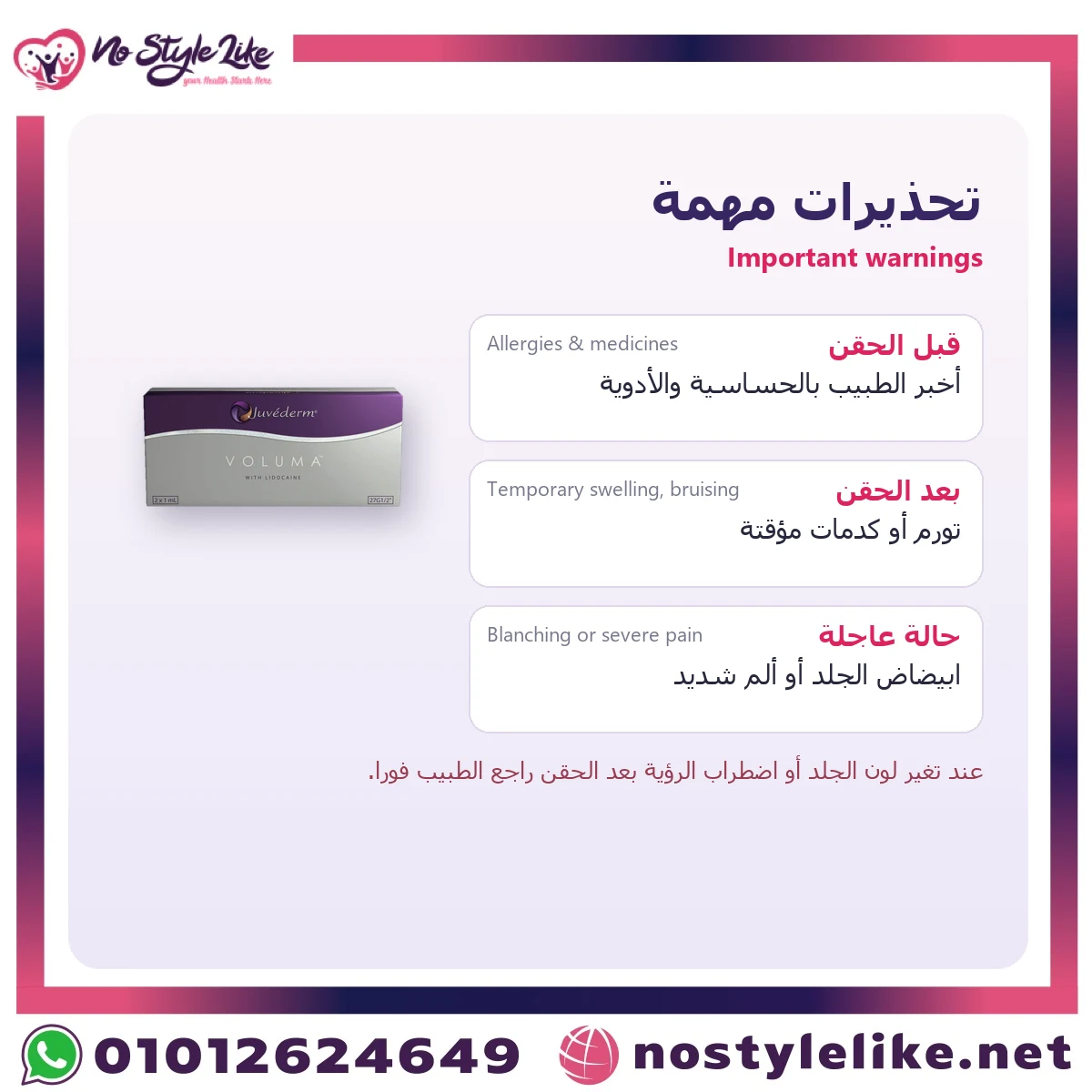
Urgent warning: if the skin turns white or blotchy, or there is severe pain or any change in vision during or after injection, tell the injector or go to emergency care immediately. These can be signs of filler entering a blood vessel.
Key Facts About Juvederm Voluma
| Name | Juvederm Voluma with Lidocaine Injectable Gel 2 x 1 ml |
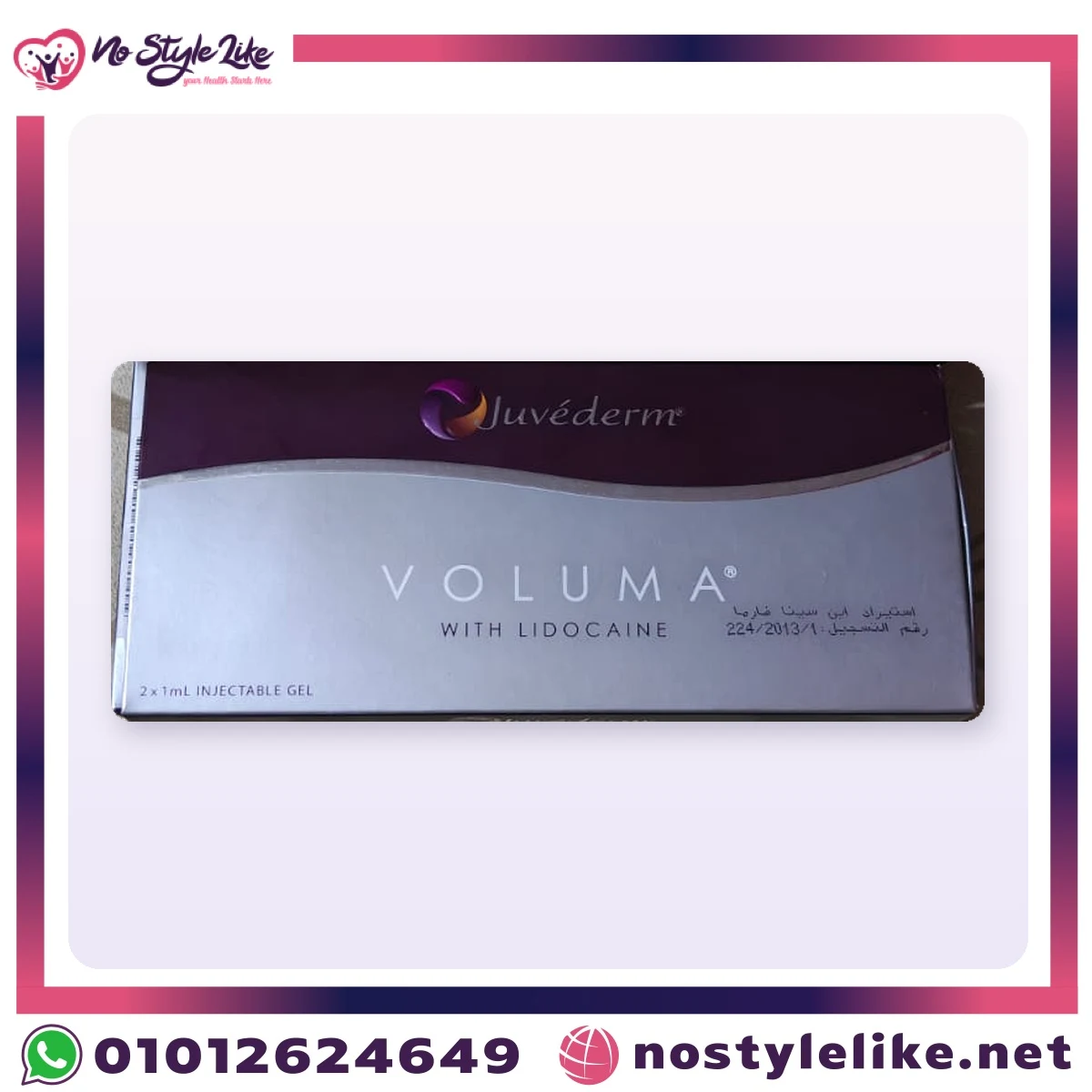
| Manufacturer | Juvederm by Allergan (an AbbVie company); Egyptian pack imported by Ibn Sina Pharma, registration number 224/2013/1 printed in Arabic on the box |
| Active content | Cross-linked hyaluronic acid 20 mg/ml (VYCROSS technology) |
| Local anaesthetic | Lidocaine hydrochloride 0.3% to reduce injection pain |
| Pack | Box of 2 prefilled syringes x 1 ml, with 27G needles (2 per syringe), single use |
| Form | Sterile injectable gel – a prescription medical device |
| Amount | Decided by the doctor for each area and patient; there is no fixed dose |
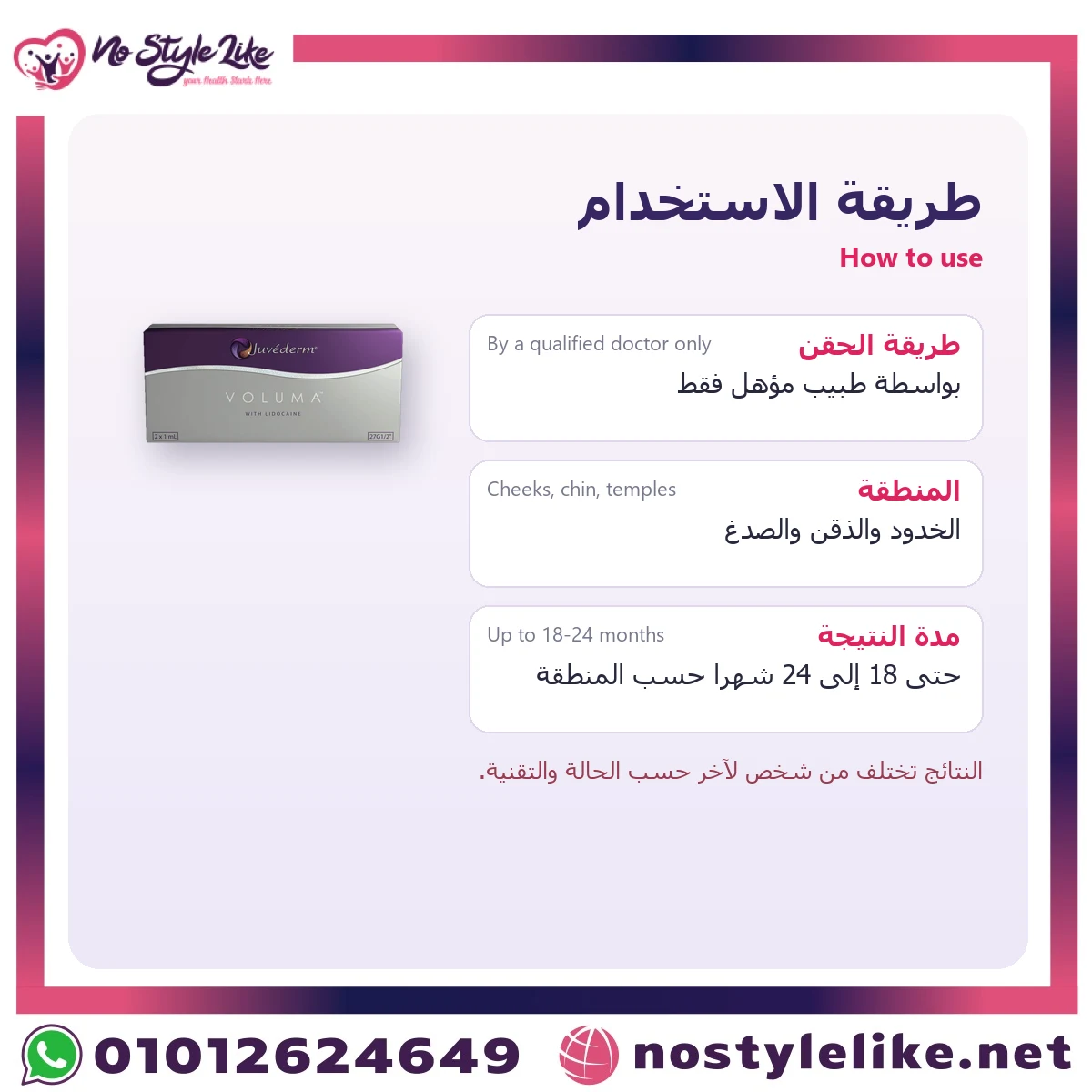
| Who injects it | A qualified, trained doctor only, in a clinical setting; never self-injected |
| Expected duration | Up to about 18-24 months in the cheeks per manufacturer data; varies with the person and area |
| Expiry | Printed on the pack |
Short description: The lift and volume option of the Juvederm range: a deep, structural hyaluronic acid gel that a doctor uses to rebuild flattened cheeks, project the chin and soften hollow temples.
On this page
- Introduction
- What is it?
- How it works
- Main uses
- Typical situations
- Who may be a candidate?
- Who should avoid it
- How the treatment is done
- Timing and planning
- Results timeline
- Common mistakes
- Myths and facts
- Side effects
- Interactions
- Warnings
- Before and after checks
- What pairs with it
- Comparison with the other injectables
- When to get urgent help
- NSL expert tip
- FAQ
- Conclusion
Introduction to Juvederm Voluma
Juvederm Voluma is the product people usually mean when they talk about a “cheek filler”. With age, the fat pads of the midface thin and slide, bone gradually loses some projection, and the face can look tired or flatter even when there are few wrinkles. Adding structure in the right deep layer can restore some of that support, and Juvederm Voluma was designed for exactly that job rather than for fine lines.
This page explains what is inside the box, how the gel behaves, who may be a candidate, how a treatment session normally runs and what the risks are. It is written for patients preparing for a consultation and for clinics ordering the product. It does not teach injection, because only a trained doctor should ever inject a dermal filler. For a wider overview, read our guide to types of dermal fillers.
What Is Juvederm Voluma with Lidocaine?
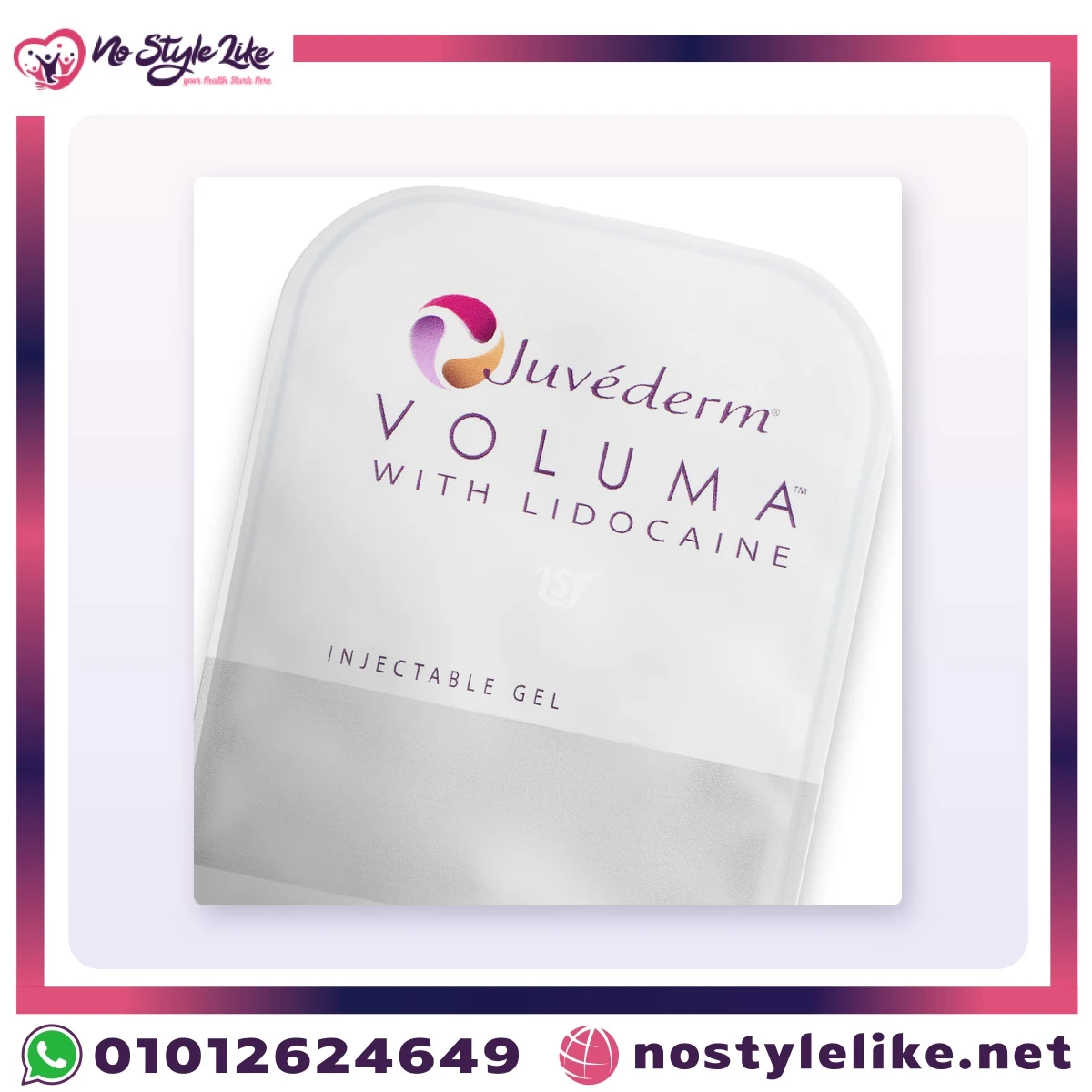
Juvederm Voluma is a sterile, clear hyaluronic acid (HA) gel supplied in two prefilled 1 ml syringes, each with two 27G needles. The HA concentration is 20 mg/ml and the gel is cross-linked with Allergan’s VYCROSS technology, which makes it cohesive and able to hold its shape under the skin. Lidocaine hydrochloride 0.3% is mixed into the gel to make the injection more comfortable.
The Egyptian pack is imported by Ibn Sina Pharma and carries the registration number 224/2013/1 printed in Arabic on the box. Juvederm Voluma is a prescription medical device, not a cosmetic you apply. Each syringe is single use and must never be reused or shared.
How Juvederm Voluma Works
Hyaluronic acid is a sugar molecule that the body already makes; it binds water and keeps tissues plump. Natural HA is broken down within days, so in fillers it is cross-linked into a gel network that lasts much longer. Once placed by the doctor, Juvederm Voluma occupies space and attracts water, which lifts the overlying tissue and restores lost contour.
- Volume and support: the cohesive VYCROSS gel of Juvederm Voluma is designed for deep placement chosen by the doctor, where it acts like added scaffolding under the cheek, chin or temple.
- Comfort: the lidocaine starts numbing the treated tissue soon after injection.
- Gradual breakdown: the body slowly metabolises the HA over many months, so the effect is temporary, not permanent.
- Reversibility: because it is HA, a doctor can dissolve it with the enzyme hyaluronidase if there is a complication or an unwanted result.
Main Uses of Juvederm Voluma
- Cheeks and midface: restoring volume lost with age or weight loss, which can also soften the look of tired under-eye hollows and deep folds indirectly.
- Chin and jawline: adding projection to a short or retruded chin and defining the jaw contour, as approved in different markets.
- Temples: filling temple hollows that make the upper face look gaunt.
- Immediate, adjustable result: the change is visible at the end of the session and can be refined at a follow-up.
- Long-lasting for an HA filler: manufacturer data report results up to about 18-24 months in the cheeks, depending on the person.
Juvederm Voluma does not tighten loose skin, remove sun damage or cure ageing. Results vary, and some people need a different treatment altogether.
Typical Situations
A woman in her forties notices that photos make her look tired; the doctor finds flattened cheeks and plans midface volume. A man wants a stronger profile; the doctor assesses chin projection and jaw definition and discusses whether a filler or surgery suits him better. Someone who lost a lot of weight has hollow temples; the doctor may suggest careful temple correction. In each case the plan, the amount and the number of sessions are decided only after a face-to-face examination, and in some cases the honest answer is that a filler is not the right tool.
Who May Be a Candidate?
- Juvederm Voluma may suit healthy adults with age-related volume loss in the midface, chin or temples.
- People who want structural support and lift rather than treatment of fine surface lines.
- Patients with realistic expectations who accept that results are temporary and vary.
- Patients able to attend a consultation, the treatment and a follow-up visit at a licensed clinic.
Who Should Avoid It or Need Extra Caution
- Anyone with a history of severe allergies or anaphylaxis.
- Known allergy to hyaluronic acid, to any ingredient of Juvederm Voluma, or to lidocaine or other amide local anaesthetics.
- Active skin infection, inflammation, cold sores or acne at the planned site.
- Bleeding disorders.
- Pregnancy and breastfeeding: not studied, so treatment is avoided.
- People under 18, or under the minimum age on the local label.
- Autoimmune disease, a history of keloid scarring, or a recent laser or peel at the site: discuss first.
How a Juvederm Voluma Treatment Is Done
Juvederm Voluma is injected only by a qualified doctor, such as a dermatologist or plastic surgeon. Never attempt to inject it yourself or let a non-medical person do it. The steps below describe what a patient can expect, not how to inject.
- Consultation: the doctor takes your medical history, medicines and allergies, examines the face and explains benefits, risks and alternatives.
- Consent and photos: you agree a plan and standard photos are often taken.
- Preparation: the skin is cleaned and disinfected; extra topical numbing may be used.
- Injection by the doctor: the doctor decides the amount, depth and technique for your anatomy; the lidocaine in the gel adds comfort.
- Check and aftercare: the result is reviewed, and you are told to avoid makeup, heavy exercise, saunas, alcohol and pressing or massaging the area for about 24-48 hours unless the doctor says otherwise.
- Follow-up: a review visit allows any touch-up once swelling settles.
Timing and Planning
Plan a Juvederm Voluma session at least two weeks before an important event, because bruising and swelling can take one to two weeks to settle. Avoid booking it right after a laser or peel at the same site, or while you have a cold sore or a skin infection. Allow time for a follow-up visit before travelling.
Juvederm Voluma Results Timeline
The volume from Juvederm Voluma is visible at the end of the session, but early swelling can exaggerate it. Over roughly 1-2 weeks the swelling fades and the gel settles, and the doctor judges the final shape at the follow-up. Manufacturer data report results lasting up to about 18-24 months in the cheeks, yet the real duration depends on the area, the amount, the technique, metabolism and lifestyle. Touch-ups may be needed. Our article on how long do fillers last explains why durations differ between products.
Common Mistakes
- Buying a Juvederm Voluma syringe to inject at home or at a beauty salon by a non-doctor.
- Choosing an injector by price rather than by medical qualifications and complication management.
- Hiding blood thinners, supplements or allergies from the doctor.
- Expecting Juvederm Voluma to erase fine lines around the eyes or lips.
- Massaging, pressing or exercising hard in the first 24-48 hours without the doctor’s advice.
- Ignoring blanching, severe pain or vision changes and waiting to see if they pass.
Myths and Facts
Myth: More filler gives a younger face. Fact: Over-filling looks unnatural; the aim is to restore support, not to inflate.
Myth: Filler results are permanent. Fact: HA is broken down gradually; even long-lasting results fade with time.
Myth: A filler is a beauty treatment with no medical risk. Fact: It is a medical device with rare but serious risks, which is why a doctor must inject it.
Side Effects of Juvederm Voluma
Most effects of Juvederm Voluma are mild and short-lived. For a fuller explanation read our article on dermal filler side effects.
- Common: redness, swelling, tenderness, bruising, small lumps and itching at the injection site, usually settling within days to about 1-2 weeks.
- Rare but serious: vascular occlusion (gel entering a blood vessel) with skin blanching, mottling, severe pain and possible skin necrosis, and very rarely vision loss or stroke; infection; delayed nodules or granulomas; allergic reactions.
Interactions: Blood Thinners, Supplements and Lidocaine
- Blood thinners and painkillers: anticoagulants, aspirin and NSAIDs such as ibuprofen raise the risk of bruising and bleeding. Never stop a prescribed blood thinner on your own; the prescribing doctor and the injector decide together.
- Supplements: omega-3 fish oil and vitamin E can also increase bruising; tell the doctor about every supplement.
- Lidocaine: anyone allergic to lidocaine or other amide local anaesthetics must not receive Juvederm Voluma; tell the doctor about any past reaction to dental or local anaesthesia.
Warnings
Vascular occlusion is an emergency. Skin that turns white, grey or mottled, severe or increasing pain, or any vision change, blurred sight or weakness during or after treatment needs immediate treatment by the injector or emergency care. Hyaluronidase can dissolve HA fillers, and speed matters.
- Professional use only, by a trained doctor in a clinical setting.
- Juvederm Voluma is single use: never reuse or share a syringe or needle.
- Store as stated on the label and do not freeze.
- Results vary and are not guaranteed.
Before and After Checks
No laboratory test is routinely needed before Juvederm Voluma in a healthy patient, but the doctor checks your medical history, bleeding tendency, medicines, allergies and skin condition before treatment. After treatment, the follow-up visit reviews symmetry and settling, and you should report any lump, colour change or pain that does not improve.
What Pairs with It
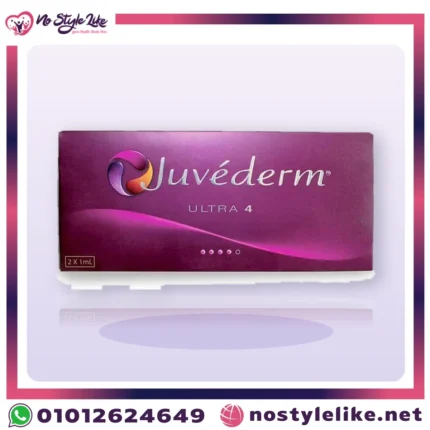
- A finer filler for lips or folds, such as Juvederm Ultra 4, when the doctor plans a full-face approach.
- A skin booster like Croma PolyPhil for skin quality, since volume does not improve skin texture.
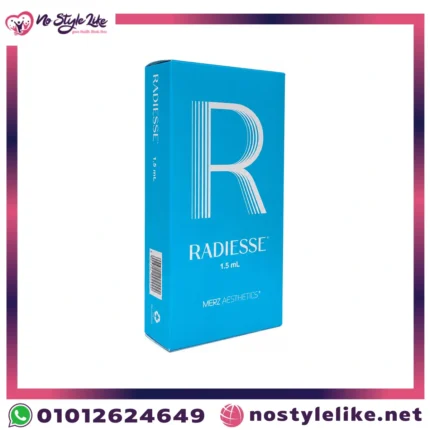
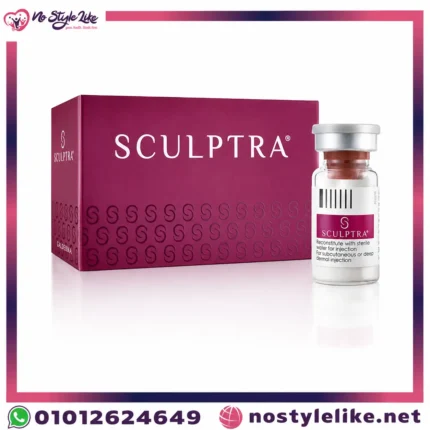
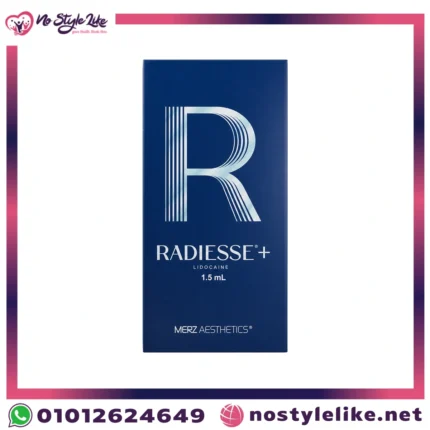
- Collagen stimulators in selected cases; see our Sculptra guide and our article on Radiesse filler.
- Daily sunscreen and good skin care to protect the result.
Juvederm Voluma Compared with the Other Injectables
All five products below are prescription injectables for doctors, but they are built for different jobs. The choice belongs to the treating doctor.
| Product | Type | Concentration | Lidocaine | Typical area |
|---|---|---|---|---|
| Juvederm Voluma with Lidocaine (this page) | Deep volumising HA filler (VYCROSS) | 20 mg/ml | Yes, 0.3% | Cheeks and midface, chin and jawline, temples |
| Juvederm Ultra 4 | Thicker HA gel for folds and lips (HYLACROSS) | 24 mg/ml | Yes, 0.3% | Deep folds, marionette lines, lip volume and contour |
| Teosyal RHA 2 | Flexible resilient HA (RHA) gel | 23 mg/ml | Yes, 0.3% | Dynamic lines around the mouth, moderate folds, subtle lips |
| Aliaxin SV | High-volume HA filler | 25 mg/ml | No | Cheekbones, midface and chin |
| Croma PolyPhil | Skin booster, not a filler (polynucleotides) | No HA; polynucleotides 20 mg/ml | Not stated on the label | Skin quality of face, neck, decollete and hands |
When to Get Urgent Help
- White, grey, dusky or mottled skin near the treated area.
- Severe pain that is out of proportion or keeps increasing.
- Blurred vision, loss of vision, double vision, headache, weakness or difficulty speaking.
- Rising redness, heat, pus or fever, which may signal infection.
- Swelling of the lips, face or throat, rash or difficulty breathing.
- Hard or painful lumps appearing weeks or months later.
NSL Expert Tip
From the No Style Like pharmacy team: think of Juvederm Voluma as structure, not decoration. Ask your doctor where your face has really lost support, how they would manage a vascular complication, and whether hyaluronidase is kept in the clinic. A good injector often uses less than you expect and finishes in two stages.
Juvederm Voluma FAQ
Can I buy Juvederm Voluma and inject it myself?
No. It is a prescription medical device for professional use; only a qualified doctor should inject it.
Does it hurt?
The gel contains 0.3% lidocaine, and many doctors add topical numbing, so most patients describe pressure and mild discomfort.
How long do results last?
Manufacturer data report up to about 18-24 months in the cheeks, but this varies with the person and area.
Is it used for lips?
Juvederm Voluma is designed for deep volume in the cheeks, chin and temples; lips and folds usually call for a different gel chosen by the doctor.
Can it be dissolved?
Yes, as an HA filler it can be dissolved by a doctor with hyaluronidase.
What is the expiry date?
The expiry date is printed on the pack.
Conclusion
Juvederm Voluma with Lidocaine is a deep volumising HA filler of 20 mg/ml with 0.3% lidocaine, supplied as 2 x 1 ml syringes, for restoring cheek, chin and temple volume. It must be injected only by a trained doctor, results vary and are temporary, and blanching, severe pain or vision changes need urgent care. Clinics and doctors can order it from No Style Like pharmacy with delivery across Egypt.
Reviewed by the No Style Like Pharmacy content team. This information is for educational purposes only.
This is a prescription medical device for professional use; follow the instructions of the treating doctor, and this content does not replace medical advice. Learn more at FDA – Dermal Fillers (Soft Tissue Fillers).
Reviews
There are no reviews yet.