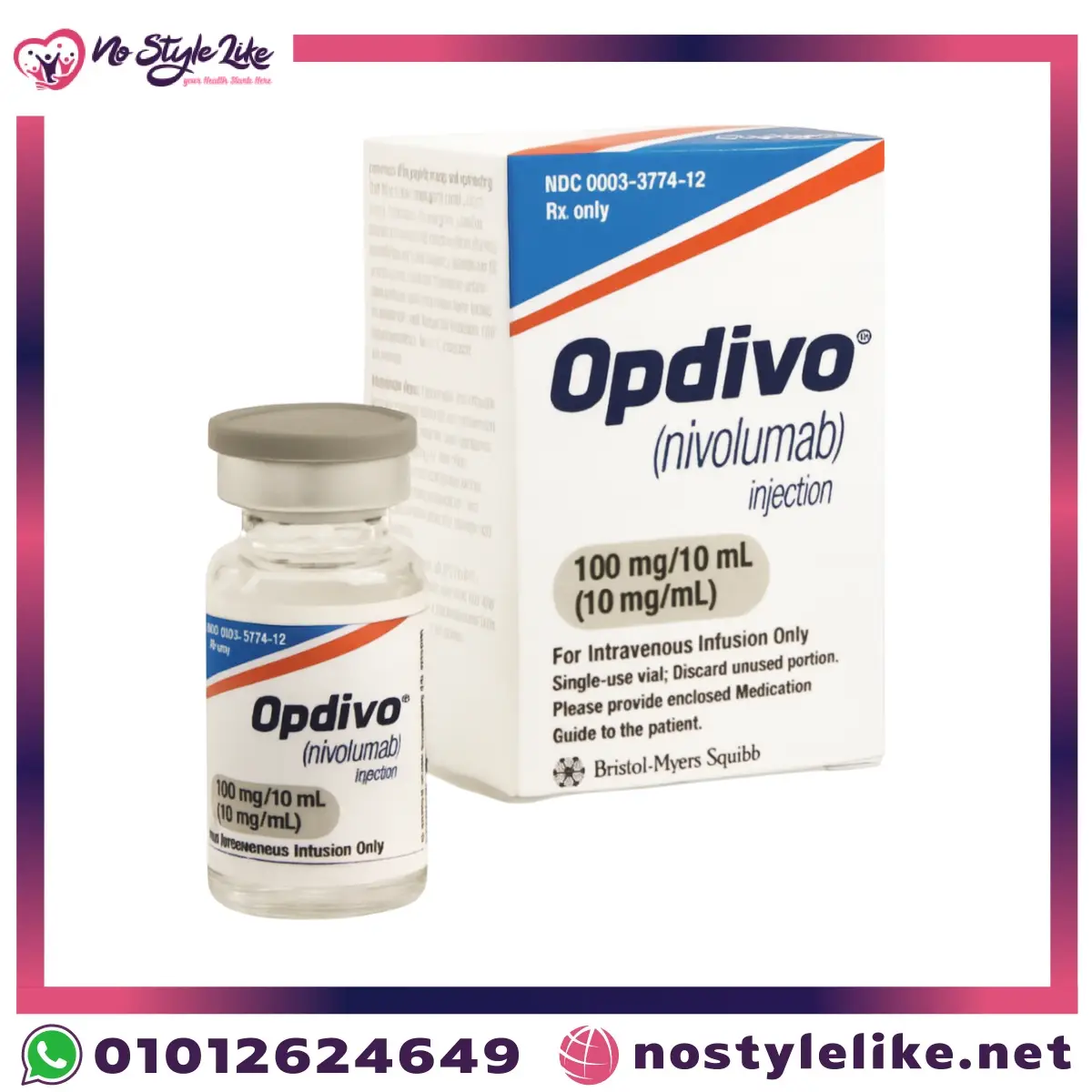
Opdivo (Nivolumab) Injection for Cancer Treatment | Immune Therapy
Price range: EGP15851 through EGP34000
Introduction
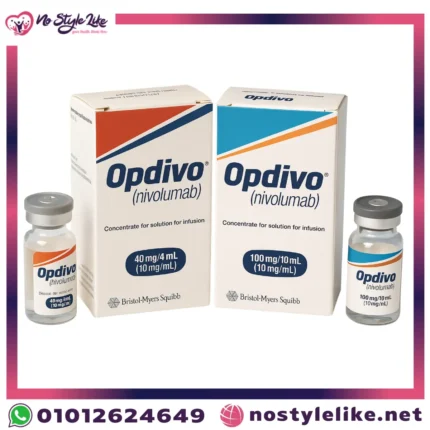
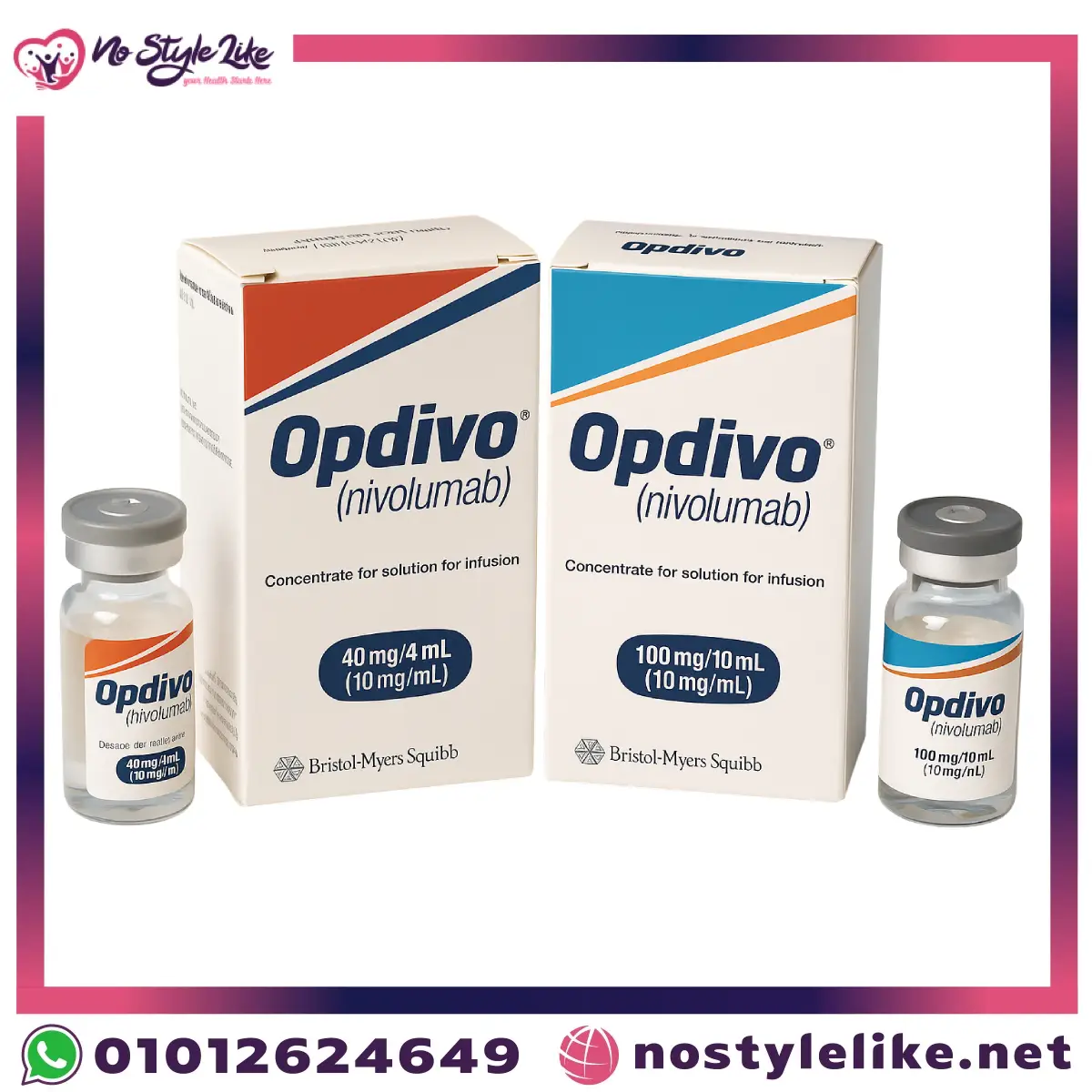
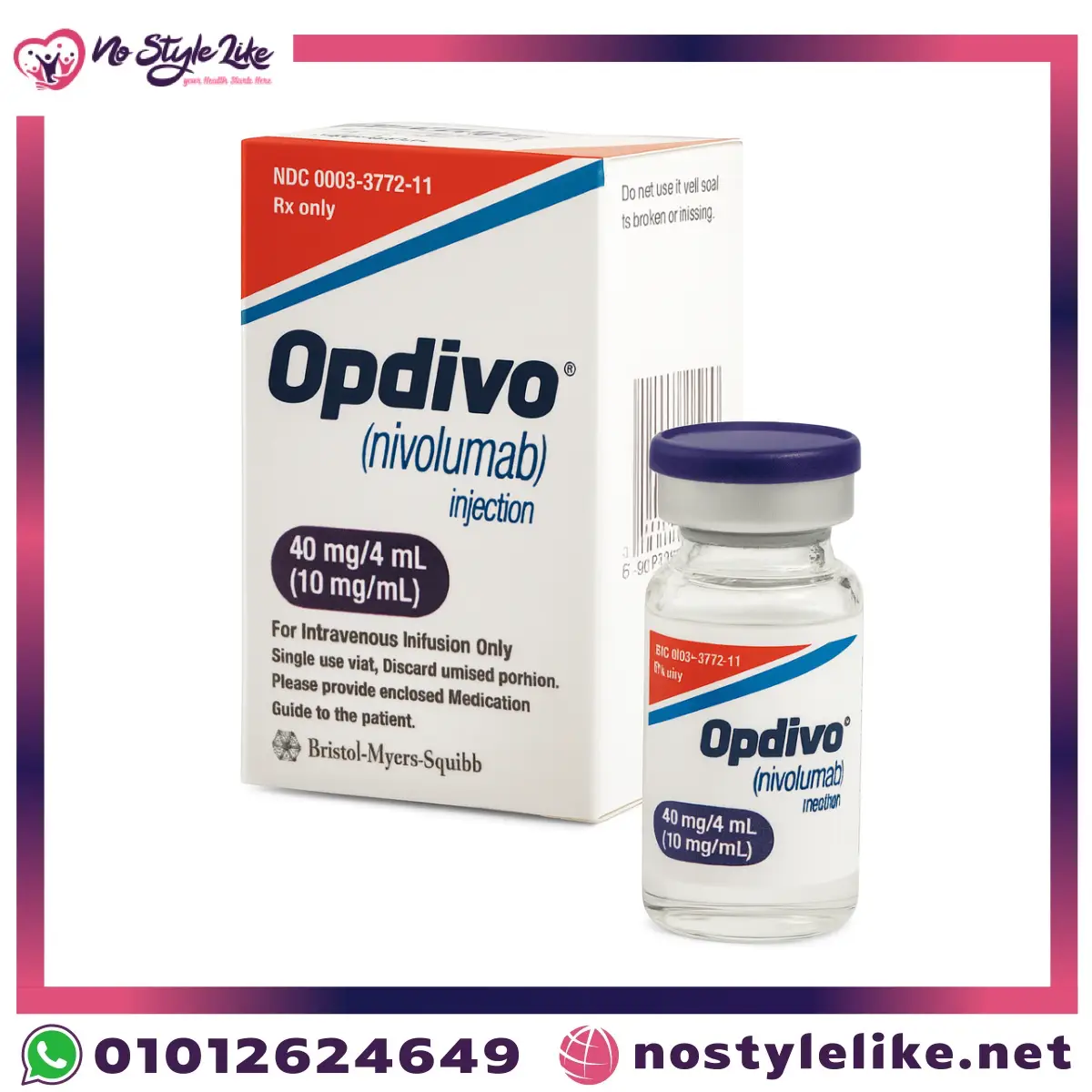
Opdivo (Nivolumab) injection is a breakthrough immunotherapy drug that has reshaped the treatment of several advanced cancers. Manufactured by Bristol Myers Squibb, Opdivo belongs to a class of drugs known as immune checkpoint inhibitors. It works by unleashing the body’s immune system, enabling it to identify and attack cancer cells more effectively.
Approved by the FDA and EMA, Opdivo has become a cornerstone therapy for cancers such as lung cancer, melanoma, liver cancer, and kidney cancer, offering renewed hope to patients with advanced or treatment-resistant disease.
Mechanism of Action
Opdivo targets the PD-1 (Programmed Death-1) receptor found on immune T-cells. Normally, cancer cells exploit this receptor to escape immune detection by binding to it and “turning off” immune activity.
By blocking the PD-1 pathway, Nivolumab reactivates the T-cells, allowing them to recognize and destroy cancer cells. This unique mechanism distinguishes Opdivo from traditional chemotherapy, which directly kills cells but often damages healthy tissues.
Indications (Uses of Opdivo)
Opdivo is indicated for the treatment of several advanced cancers, including:
Non-small cell lung cancer (NSCLC) after chemotherapy failure.
Melanoma (skin cancer) that is unresectable or metastatic.
Renal cell carcinoma (RCC) – advanced kidney cancer.
Head and neck squamous cell carcinoma (HNSCC).
Hepatocellular carcinoma (HCC) – advanced liver cancer.
Colorectal cancer (CRC) with MSI-H or mismatch repair deficiency.
Dosage & Administration
Administered as an intravenous (IV) infusion over 30–60 minutes.
Standard regimens include:
240 mg every 2 weeks, or
480 mg every 4 weeks.
Dosage may vary depending on the cancer type and combination therapy.
Must be prescribed and monitored by an oncologist in a hospital setting.
Side Effects of Opdivo
Like all powerful treatments, Opdivo may cause side effects:
Common: fatigue, rash, nausea, fever, loss of appetite, joint pain.
Serious (immune-related): inflammation of the liver (hepatitis), lungs (pneumonitis), colon (colitis), thyroid dysfunction, or adrenal gland issues.
Patients should immediately report persistent cough, diarrhea, jaundice, or breathing difficulties to their doctor.
Contraindications
Hypersensitivity to Nivolumab.
Pregnancy and breastfeeding (risk of fetal harm).
Patients with organ transplants, due to the risk of rejection.
Drug Interactions
Immunosuppressants (e.g., corticosteroids, post-transplant drugs) may reduce Opdivo’s effectiveness.
Other targeted therapies should only be combined under strict medical supervision.
Benefits of Opdivo Therapy
Harnesses the immune system for long-term cancer control.
Approved for multiple cancer types.
Clinical trials have shown improved overall survival in advanced cancer patients.
Often better tolerated compared to chemotherapy in terms of hair loss and bone marrow suppression.
Why Buy from No Style Like?
✅ 100% original products from trusted sources.
✅ Fast delivery across Egypt and Middle East.
✅ Dedicated medical and customer support.
✅ Competitive prices with guaranteed authenticity.
⭐ User Reviews
⭐ ⭐ ⭐ ⭐ ⭐ “Opdivo changed my treatment journey. Side effects were manageable, and my scans improved significantly.”
⭐ ⭐ ⭐ ⭐ “Very effective but requires close monitoring by doctors.”
⭐ ⭐ ⭐ ⭐ ⭐ “A revolutionary cancer drug that gave me new hope.”
❓ Frequently Asked Questions (FAQs)
1. What is Opdivo (Nivolumab)?
It is an immunotherapy drug that boosts the immune system to fight cancer cells.
2. How is Opdivo administered?
Through intravenous infusion at a hospital under a specialist’s supervision.
3. Which cancers does Opdivo treat?
It is approved for lung, skin (melanoma), liver, kidney, colorectal, and head & neck cancers.
4. Does Opdivo cause hair loss?
Unlike chemotherapy, hair loss is rare with Opdivo.
5. Can Opdivo be combined with chemotherapy?
Yes, in some cases doctors combine it with chemotherapy or other drugs for better results.
6. Is it safe during pregnancy?
No, it should not be used during pregnancy due to fetal risk.
7. How long is Opdivo treatment?
Duration depends on response and tolerance; it can last months to years.
8. What are the most serious side effects?
Immune-related inflammations such as hepatitis, pneumonitis, and colitis.
9. Can transplant patients use Opdivo?
It is not recommended as it may cause organ rejection.
10. Is Opdivo available in Egypt?
Yes, through authorized distributors like No Style Like.
Internal Links
| التركيز |
|---|