


Niacin vs Niacinamide: 6 Differences You Should Know Before Buying
Niacin vs Niacinamide: Two Forms of Vitamin B3
Both are vitamin B3, both appear on labels as niacin, and both prevent pellagra, the classic B3 deficiency disease. Yet the comparison of niacin vs niacinamide matters because at supplement doses they behave very differently in the body. Here are 6 differences that help you pick the right product and avoid unpleasant surprises.
1. Chemistry: Niacin vs Niacinamide
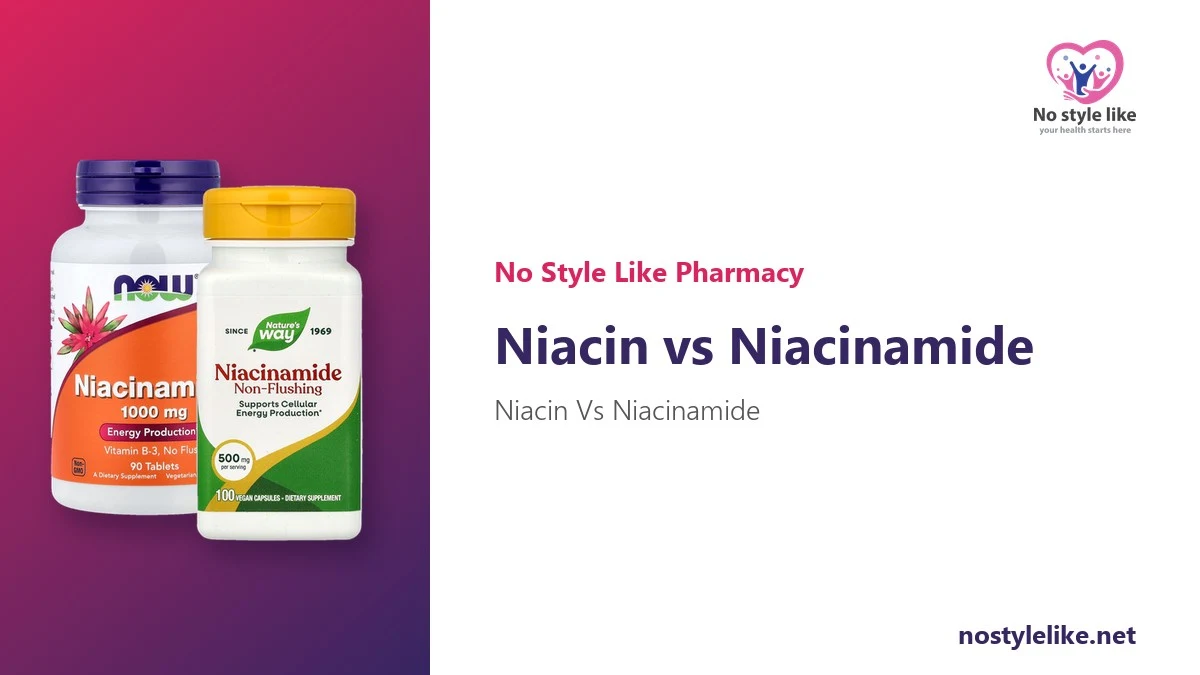
Niacin is nicotinic acid, while niacinamide (nicotinamide) is its amide form. The body can convert both into NAD, the coenzyme used in energy production and DNA repair. That is why supplement labels list both as niacin, even when the bottle contains only niacinamide, as on NOW Niacinamide 1,000 mg.
2. Flushing
Nicotinic acid widens small blood vessels in the skin, causing the well-known niacin flush: warmth, redness, itching or tingling on the face and chest, usually 15 to 30 minutes after a dose. It is generally harmless but uncomfortable. Niacinamide does not cause this flush, which is why products such as Nature’s Way Niacinamide 500 mg are labeled non-flushing.
3. Cholesterol
At gram doses, prescription nicotinic acid lowers LDL cholesterol and triglycerides and raises HDL. These doses are used only under medical supervision, because they can damage the liver, raise blood sugar and trigger gout. Niacinamide does not lower cholesterol, so it is not a substitute for lipid treatment. Never self-treat high cholesterol with any form of B3.
4. Skin Uses
Niacinamide is the form studied for skin, both in serums and as tablets for high-risk patients with previous skin cancers. Niacin is not used for this purpose. Read the details in oral niacinamide for skin.
5. What About No-Flush Niacin?
Inositol hexanicotinate, sold as no-flush niacin, is a third product. It is neither standard niacin nor niacinamide: it releases very little free nicotinic acid, and studies have not shown reliable cholesterol benefits. Do not confuse a no-flush niacin label with non-flushing niacinamide, and do not swap it for a prescribed niacin.
6. Safety Profile
Niacin vs niacinamide safety also differs. Niacin causes flushing even at modest doses and liver injury at high doses, especially with sustained-release forms. Niacinamide is better tolerated, but very high intakes, generally above 1.5 to 3 grams a day, may cause nausea and liver toxicity. Both need caution in liver disease, gout, diabetes, peptic ulcers and pregnancy. Safe amounts are explained in niacinamide dosage.
Niacin vs Niacinamide at a Glance
| Point | Niacin (nicotinic acid) | Niacinamide (nicotinamide) |
|---|---|---|
| Flushing | Yes, common | No |
| Lowers cholesterol | Yes, at gram doses under a doctor | No |
| Skin research | Not used | Serums and high-risk skin cancer prevention |
| Main high-dose risk | Liver, blood sugar, gout | Nausea, liver strain |
How to Read the Label
Look for the words in brackets after niacin on the supplement facts panel: as niacinamide, as nicotinic acid or as inositol hexanicotinate. Check the amount per tablet too, because daily needs are only about 14 to 16 mg, while many supplements provide 500 to 1,000 mg. That gap is why the choice in niacin vs niacinamide matters so much.
Which Form Should You Choose?
- For general B3 needs: a balanced diet or a multivitamin is enough, whatever the form.
- For skin goals discussed with a dermatologist: niacinamide is the studied form.
- For high cholesterol: only prescription treatment chosen by your doctor, which may or may not include niacin.
- If flushing bothers you: niacinamide is the comfortable option.
Thinking about niacin vs niacinamide this way, by purpose rather than by brand, avoids most buying mistakes. When in doubt, show the label to your pharmacist, who can confirm which form it contains and whether it suits your medicines. The niacin vs niacinamide question is also worth raising with your doctor if you have liver disease or diabetes.
Frequently Asked Questions About Niacin vs Niacinamide
Which one is better for energy?
Both support normal energy metabolism, but a supplement only helps if you are low in B3. Extra B3 does not boost energy in well-fed people.
Can I take niacinamide if niacin made me flush?
Usually yes, because niacinamide does not flush, but check with your pharmacist if you have liver disease or take medicines.
Is niacinamide in a multivitamin enough?
For daily needs, yes. High-dose niacinamide is used only for specific goals with advice.
Conclusion
In the niacin vs niacinamide comparison, niacin flushes and lowers lipids at medical doses, while niacinamide does not flush and does not lower cholesterol but has skin research behind it. For general wellbeing habits, see our healthy aging guide. Find non-flushing NOW Niacinamide and Nature’s Way Niacinamide at No Style Like Pharmacy.
This article was reviewed by the No Style Like pharmacy content team. It is for general awareness only and does not replace advice from your doctor or pharmacist.
Do not use any high-dose vitamin B3 for cholesterol without a doctor. For more information see the NIH Office of Dietary Supplements niacin fact sheet.