



Description
Hydroxyurea Medac 500 mg (Hydroxycarbamide) 100 Capsules – A 22-Section Patient Guide
Quick answer:
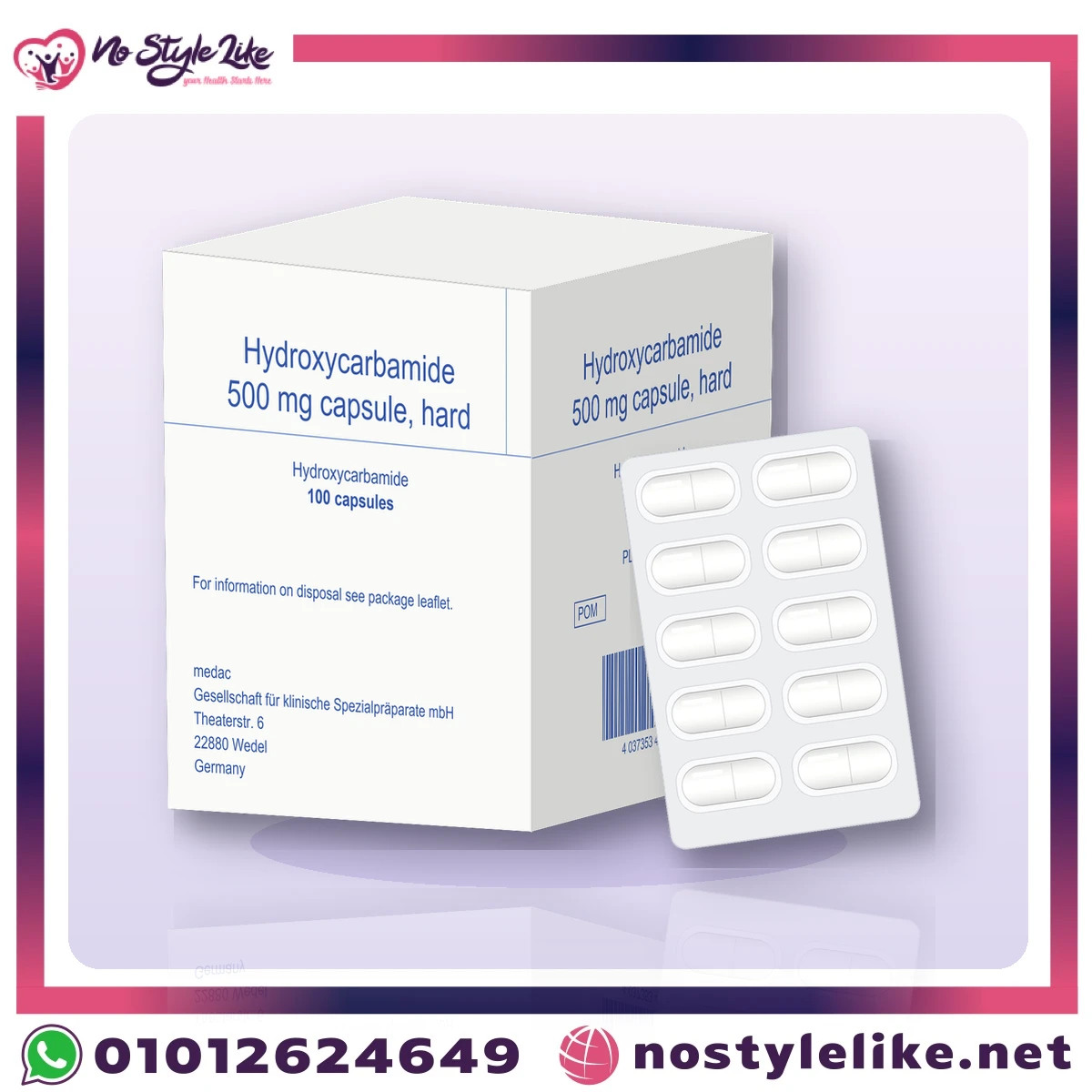
Hydroxyurea Medac 500 mg is a prescription-only oral chemotherapy medicine made by medac in Germany. This UK pack (PL 11587/0019) holds 100 white hard capsules in 10 strips, each capsule containing 500 mg hydroxycarbamide, the other name for hydroxyurea. Its licensed uses are chronic myeloid leukaemia (CML) in the chronic or accelerated phase, and essential thrombocythaemia or polycythaemia vera with a high risk of blood clots. Only the oncologist or haematologist sets the dose, based on body weight and blood counts. It controls the disease; it does not cure it.
Key Facts About Hydroxyurea Medac
| Name | Hydroxyurea Medac 500 mg (Hydroxycarbamide) 100 Capsules |
| Manufacturer | medac GmbH – Germany; UK pack PL 11587/0019 |
| Active ingredient | Hydroxycarbamide (hydroxyurea) 500 mg per capsule |
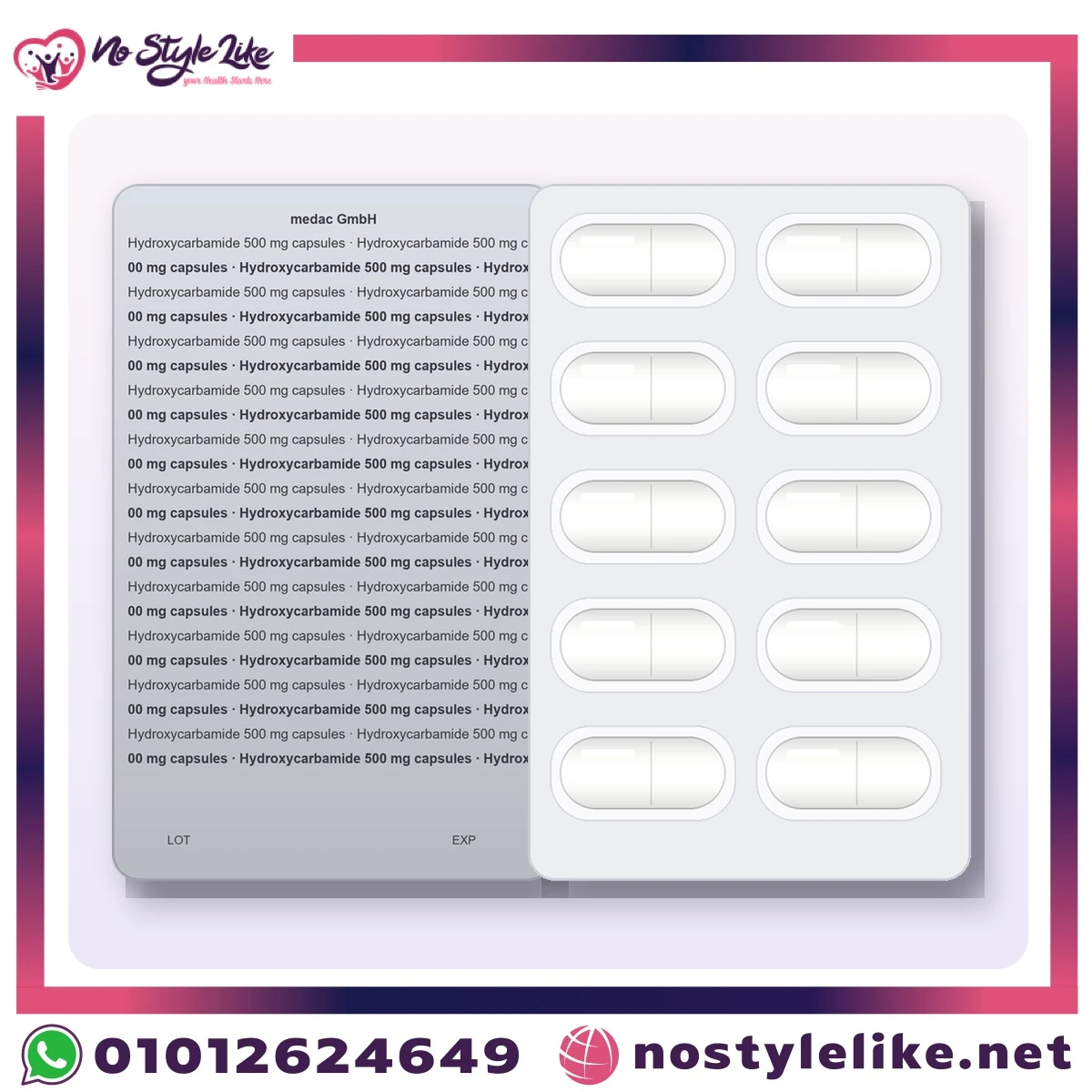
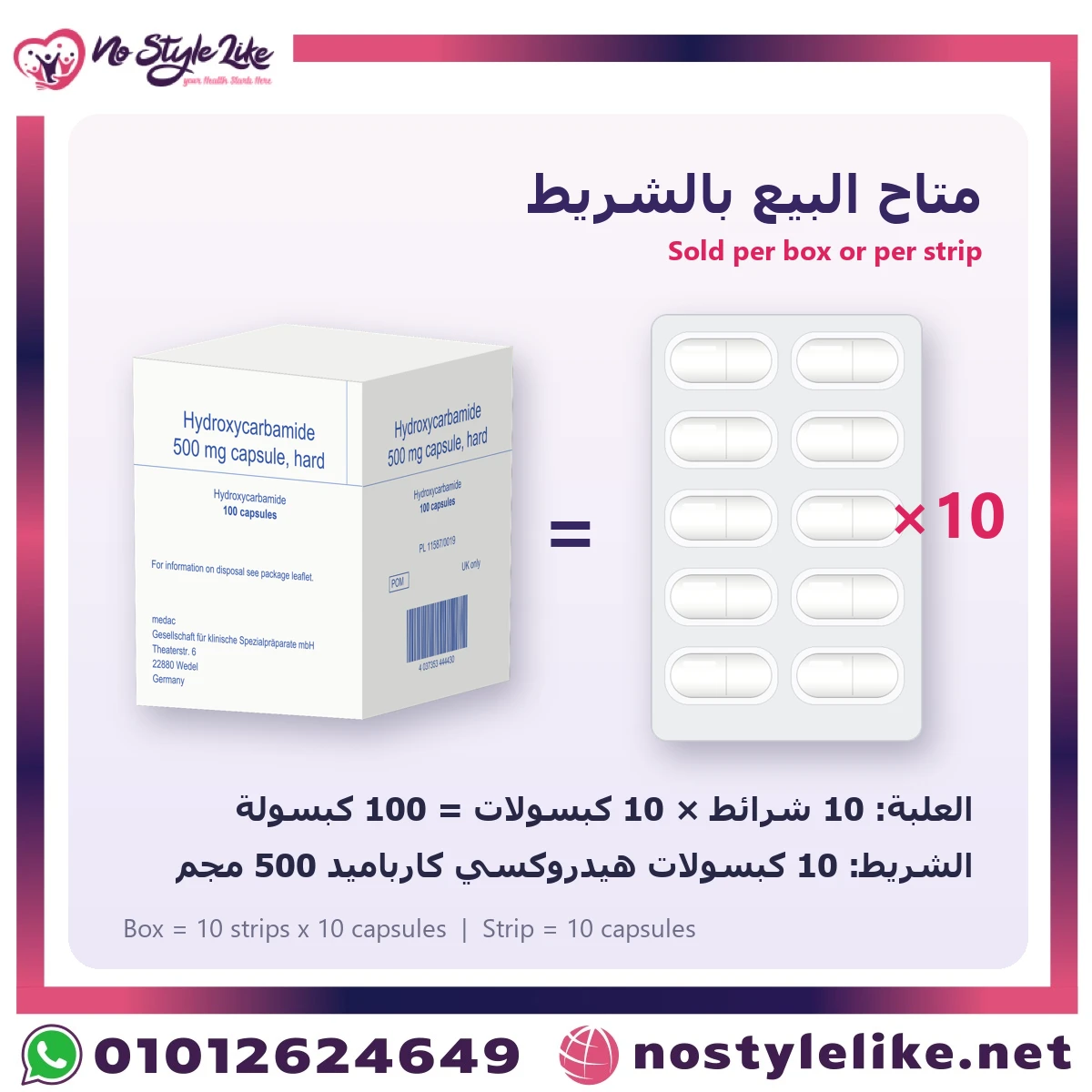
| Pack | Box of 100 capsules (10 strips x 10) – also sold per strip |
| Form | White hard capsules, swallowed whole with water |
| Category | Cytotoxic (chemotherapy) medicine, prescription only (POM) |
| Dose | Set by the oncologist or haematologist by body weight and blood counts |
| Storage | Below 25 C, in the original pack, out of reach of children |
| Expiry | Printed on the pack |
Short description: Hydroxycarbamide 500 mg capsules that slow the overproduction of blood cells in chronic bone-marrow disorders, taken under regular blood-count monitoring at a dose that only the treating specialist adjusts.
On this page
- Introduction
- What is it?
- How it works
- Licensed uses
- Real-life situations
- Who is it prescribed for?
- Who must not take it?
- How to take it
- Best time to take it
- What to expect
- Common mistakes
- Myths and facts
- Side effects
- Drug interactions
- Warnings
- Tests and monitoring
- What helps alongside it
- Comparison with other brands
- When to call the doctor
- NSL expert tip
- FAQ
- Conclusion
Introduction to Hydroxyurea Medac
Hydroxyurea is one of the oldest and most widely used oral medicines in haematology. Specialists prescribe it to control the abnormal overproduction of blood cells by the bone marrow. If your doctor has prescribed Hydroxyurea Medac for you or a family member, this page explains what you need to know in plain language.
The information comes from the UK Summary of Product Characteristics (SmPC) and is for education only; it never replaces your specialist’s instructions. For a wider look at the conditions it is used in, read our guide to hydroxyurea uses.
What Is Hydroxyurea Medac 500 mg?
Hydroxyurea Medac is a white hard capsule containing 500 mg hydroxycarbamide, the name used in the UK and Europe for the substance known internationally as hydroxyurea. It is made by medac GmbH (Gesellschaft fur klinische Spezialpraparate mbH) of Wedel, Germany. The pack we stock is a UK pack marked “UK only”, licence number PL 11587/0019, classed as POM, a prescription-only medicine.
Each box holds 10 aluminium/PVC-PVDC blister strips of 10 capsules. Each capsule also contains 25 mg lactose monohydrate and less than 1 mmol (23 mg) sodium, so it is essentially sodium-free.
How Hydroxyurea Works
Hydroxyurea Medac blocks an enzyme called ribonucleotide reductase, which the bone marrow needs to build DNA. When DNA synthesis slows, rapidly dividing marrow cells slow down too, and production of white cells, platelets and red cells falls. Doctors call this cytoreduction.
For the same reason, the blood count is the main tool for adjusting treatment: the aim is to bring raised counts down into a target range without pushing them too low.
Licensed Uses of Hydroxyurea Medac
According to the UK SmPC, this pack is licensed for:
- Chronic myeloid leukaemia (CML) in the chronic or accelerated phase.
- Essential thrombocythaemia with a high risk of thrombo-embolic complications.
- Polycythaemia vera with a high risk of thrombo-embolic complications.
In CML today, tyrosine kinase inhibitors such as imatinib are the main treatment. Hydroxyurea Medac is often used to lower very high white counts at diagnosis or when other options are unsuitable; the haematologist decides.
Other hydroxyurea brands are used in sickle cell disease under a specialist, but sickle cell disease is not a licensed indication of this UK pack. Hydroxyurea Medac is not a treatment for melanoma or other skin cancers.
Real-Life Situations
These examples show how patients manage treatment day to day; they are not prescriptions.
A woman with polycythaemia vera starts treatment after venesection. Her haematologist sets the dose and orders weekly blood counts at first; she keeps every appointment and records results in a notebook.
A man with essential thrombocythaemia notices a painful sore near his ankle after months of treatment. Instead of treating it himself, he tells his doctor straight away, as the leaflet advises.
A son caring for his elderly father wears gloves when pressing capsules out of the strip, washes his hands afterwards and keeps the box away from the grandchildren.
Who Is Hydroxyurea Medac Prescribed For?
- Adults with CML in the chronic or accelerated phase, according to the specialist’s plan.
- Patients with essential thrombocythaemia or polycythaemia vera at high risk of blood clots.
- Older patients, who may need lower doses; the doctor decides.
A dose for children has not been established for these indications, and the medicine is only dispensed on a specialist prescription.
Who Must Not Take It?
Do not use with allergy to hydroxycarbamide or any capsule ingredient, severe bone-marrow depression, white cells below 2.5 x10⁹/L, platelets below 100 x109/L, or severe anaemia.
Special caution: pregnancy and breastfeeding, kidney or liver impairment (no data are available), lactose intolerance, and anyone receiving interferon, other chemotherapy or radiotherapy.
How to Take Hydroxyurea Medac
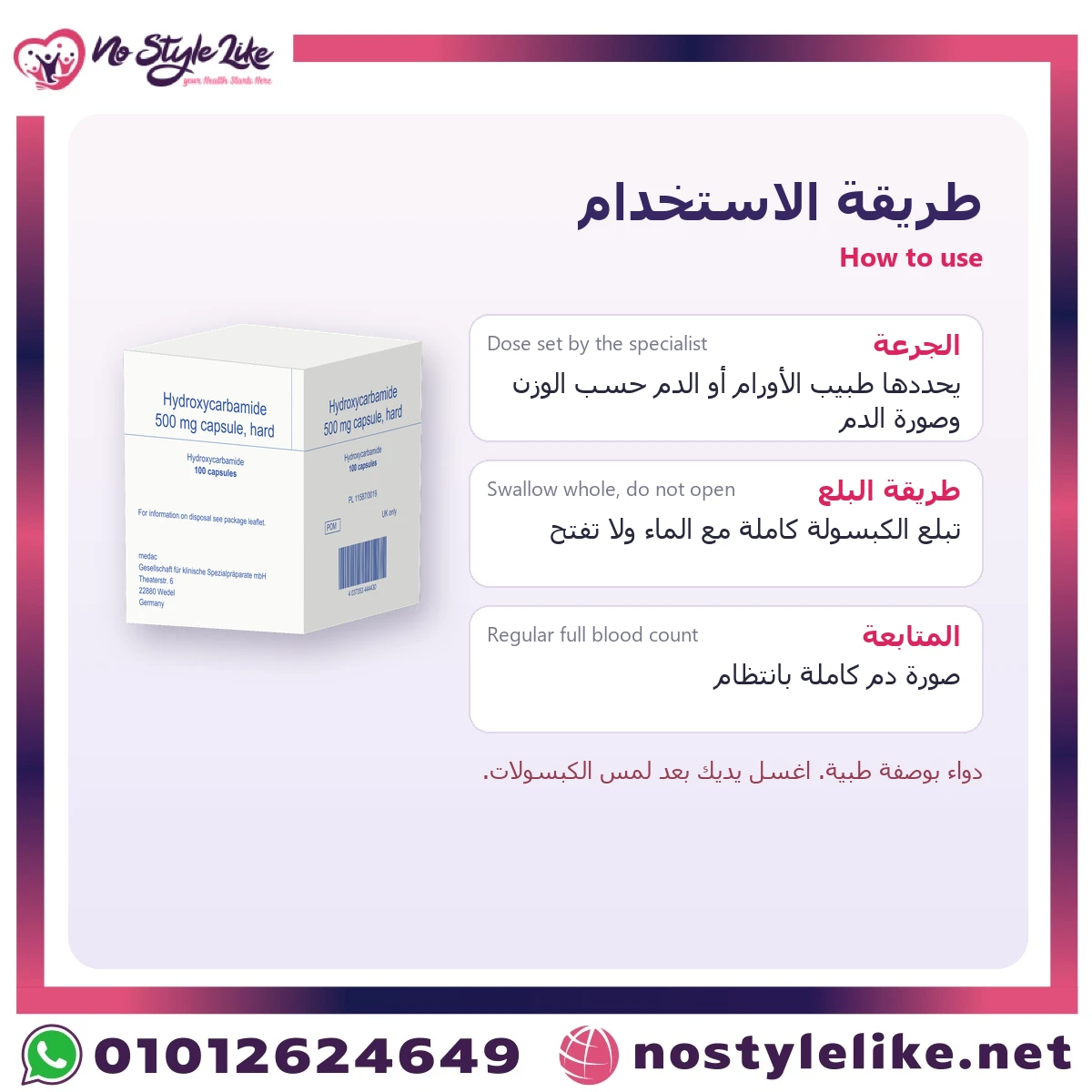
Important: only your oncologist or haematologist decides and adjusts the dose, based on your weight and blood counts. Never start, stop or change the dose on your own.
For understanding only, the UK SmPC lists starting doses calculated on actual or ideal body weight, whichever is lower. In CML: 40 mg/kg a day, halved to 20 mg/kg once white cells fall below 20 x109/L, then adjusted to keep them at 5-10 x109/L, with a 6-week trial period. In essential thrombocythaemia: 15 mg/kg a day. In polycythaemia vera: 15-20 mg/kg a day, with most patients taking an average of 500-1000 mg a day.
- Swallow each capsule whole with water; do not open it or let it dissolve in the mouth.
- Carers should wear gloves or wash their hands after handling capsules; pregnant women should avoid handling them.
- Drink plenty of fluids during treatment.
- If you miss a dose, do not double the next one; the SmPC gives no missed-dose rule, so ask your doctor or pharmacist.
For more on how doses are adjusted, read our article on hydroxyurea dosage.
Best Time to Take the Capsules
The SmPC does not specify a time of day for Hydroxyurea Medac. What matters is consistency: take the dose at the same time each day, or on the schedule your specialist wrote, so that blood results reflect what you actually take. A phone reminder helps if you tend to forget.
What to Expect and When
Results of Hydroxyurea Medac are measured by blood tests, not by how you feel. In CML the SmPC describes a 6-week trial period to judge response; in essential thrombocythaemia and polycythaemia vera the dose is adjusted step by step until platelets or haematocrit reach the target (platelets below 600 x109/L in ET; haematocrit below 45% and platelets below 400 x109/L in PV). If white cells drop below 2.5 or platelets below 100 x109/L, the doctor pauses treatment and restarts it when counts recover.
Hydroxyurea Medac controls the disease but does not cure it, so treatment usually continues long term with regular follow-up.
Common Mistakes With Hydroxyurea Medac
- Changing or stopping the dose because you “feel better”.
- Missing blood-count appointments while on Hydroxyurea Medac.
- Opening capsules or mixing the contents into food.
- Ignoring fever, sore throat or unexplained bruising.
- Long sun exposure without sunscreen and skipping skin checks.
- Getting a live vaccine without asking the specialist.
- Conceiving or fathering a child without effective contraception.
Myths and Facts
Myth: oral capsules are milder than “real” chemotherapy. Fact: it is a cytotoxic medicine that needs the same monitoring and handling precautions.
Myth: Hydroxyurea Medac treats melanoma. Fact: it does not; the licensed uses of this pack are the marrow disorders listed above.
Myth: once blood counts improve, you can stop. Fact: the improvement is usually because of the medicine; only the doctor decides to stop.
Myth: large red cells on a blood test are always dangerous. Fact: macrocytosis is a common, expected effect that your doctor interprets.
Side Effects of Hydroxyurea Medac
Common: low blood counts, loss of appetite, nausea, vomiting, diarrhoea or constipation, mouth sores, skin rash, darkening of skin and nails, hair thinning, tiredness, and fever or chills. Less often: headache, dizziness, drowsiness and raised liver enzymes.
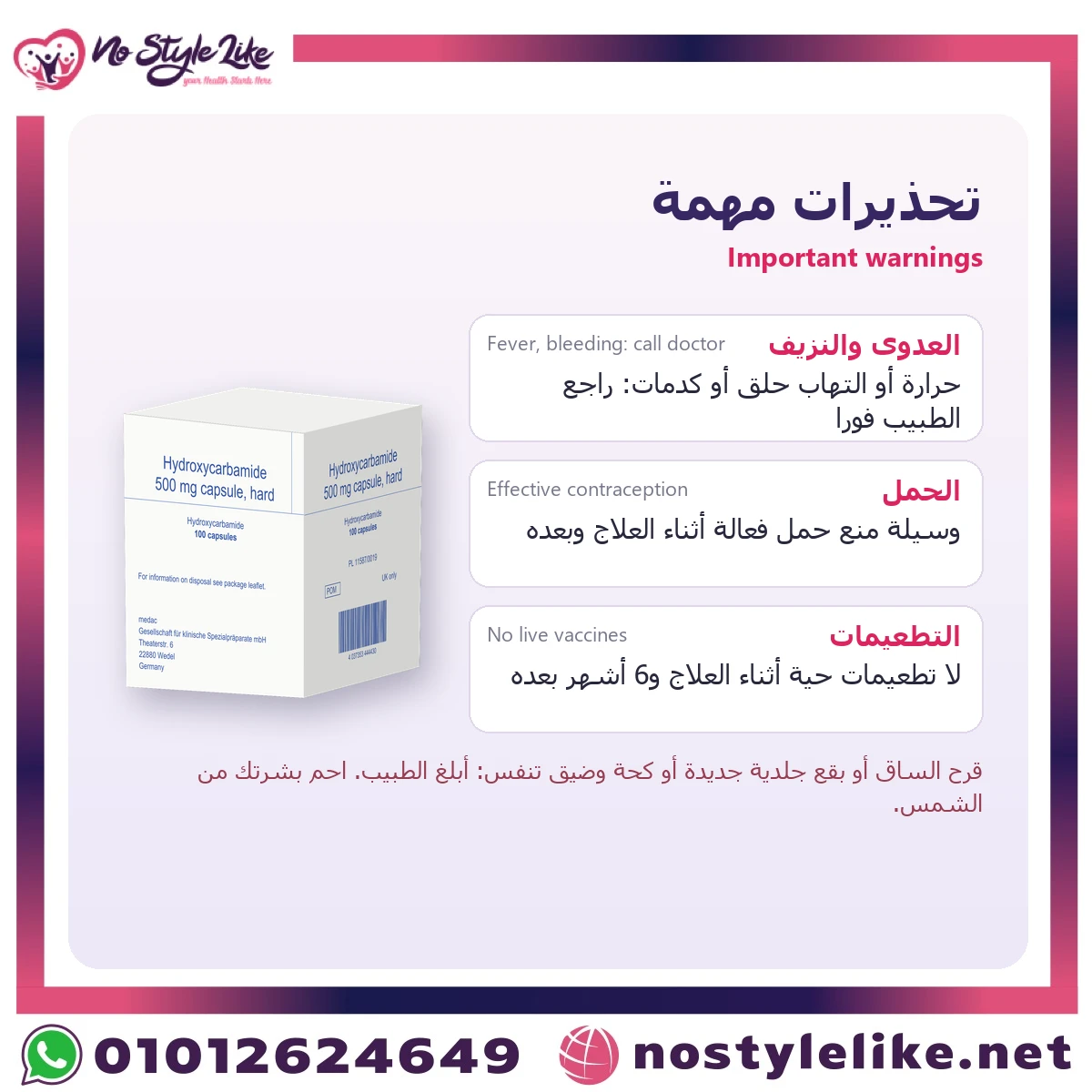
Report urgently: fever, sore throat or any sign of infection; bleeding or bruising; a painful leg ulcer or any skin sore that will not heal; and a new cough or breathlessness with fever. Our article on hydroxyurea side effects explains each effect and what to do.
Important Drug Interactions
- Other chemotherapy or radiotherapy: more marrow suppression, mouth sores and skin reactions.
- Interferon: higher risk of vasculitic skin ulcers.
- Didanosine and stavudine (HIV medicines): risk of pancreatitis, liver toxicity and neuropathy.
- Live vaccines: not during treatment and for at least 6 months after, e.g. yellow fever, oral polio and MMR.
- Continuous glucose monitors (CGM): some may read falsely high, so insulin users should confirm with another method.
Tell your doctor and pharmacist about every medicine you take with Hydroxyurea Medac. For another oral cytotoxic example, see etoposide uses.
Important Warnings for Hydroxyurea Medac
Important: this is a cytotoxic chemotherapy medicine dispensed against a specialist prescription. An overdose is an emergency: go to the emergency department immediately and take the pack with you.
- Pregnancy and contraception: it can harm an unborn baby. Women must use effective contraception during treatment and for 6 months after; men must not father a child during treatment and for 3 months after, and may consider sperm banking because a reduced sperm count is very common (usually reversible).
- Breastfeeding: do not breastfeed, as it passes into milk.
- Skin and sun: long-term use is linked to skin cancer; use sun protection and check your skin regularly.
- Leg ulcers and cutaneous vasculitis: report any skin sore.
- Lungs: a new cough or breathlessness with fever needs urgent review.
- Long term: secondary leukaemia has been reported in PV and ET.
Signs of overdose include soreness, violet redness and swelling of the palms and soles with peeling, severe pigmentation and mouth sores.
Tests and Monitoring on Hydroxyurea Medac
- Full blood count with differential and platelets regularly, usually weekly at first, then as the doctor orders.
- Liver and kidney function.
- Uric acid.
- Regular skin checks, especially with long-term use.
What Helps Alongside Treatment
- Plenty of fluids every day while on Hydroxyurea Medac.
- Gentle mouth care with a soft toothbrush to limit mouth sores.
- Good hand hygiene and avoiding people with infections.
- Sunscreen and covering clothes outdoors.
- A notebook for blood results, doses and appointments.
Hydroxyurea Medac vs Other Hydroxyurea Brands
| Feature | Hydroxyurea Medac (this page) | Hydrea 500 mg | Riborea Hydroxyurea 500 mg |
|---|---|---|---|
| Active ingredient | Hydroxycarbamide 500 mg | Hydroxyurea 500 mg | Hydroxyurea 500 mg |
| Manufacturer | medac – Germany (UK pack) | See product page | See product page |
| Form | Hard capsules | Capsules | Capsules |
| Pack | 100 capsules, also sold per strip | See product page | See product page |
| Supply | Specialist prescription | Specialist prescription | Specialist prescription |
All three contain the same active ingredient at 500 mg; they differ in manufacturer and pack. Do not switch brands on your own: the doctor or pharmacist decides on any switch, followed by a blood count.
When to Call the Doctor Straight Away
- Fever of 38 C or more, chills or a sore throat.
- Bleeding gums or nose, unexplained bruising or black stools.
- A painful leg ulcer or discoloured toes.
- A new cough or breathlessness.
- Suspected pregnancy during treatment.
- Taking more than prescribed: go to the emergency department with the pack.
NSL Expert Tip
From the No Style Like pharmacy team: keep a copy of your latest blood count with your prescription, and ask us for just enough strips to last until your next test; buying by the strip suits patients whose dose changes often. Return unused capsules to the pharmacy for safe disposal.
Hydroxyurea Medac FAQ
Is hydroxyurea chemotherapy?
Yes. It is an oral cytotoxic medicine supplied only on a specialist prescription.
Can I buy a single strip?
Yes. The Hydroxyurea Medac box has 10 strips of 10 capsules, and you can buy the full box or one strip.
Is it used in sickle cell disease?
Other hydroxyurea brands are used under a specialist, but it is not a licensed indication of this UK pack.
Can I open a Hydroxyurea Medac capsule?
No. Swallow it whole with water.
Does it cause hair loss?
Hair thinning is a common side effect of Hydroxyurea Medac.
What is the expiry date?
The expiry date is printed on the box and on each strip; shelf life is 4 years from manufacture.
Conclusion
Hydroxyurea Medac 500 mg is a German-made hydroxycarbamide capsule for chronic bone-marrow disorders, dosed by the specialist according to weight and blood counts. Regular blood tests, sun protection, contraception and fast reporting of infection or bleeding are the foundations of safe treatment. Order it with your prescription from No Style Like Pharmacy, as a full box or by the strip, with delivery across Egypt.
Reviewed by the No Style Like Pharmacy content team. This information is for educational purposes only.
This is a prescription-only medicine; read the leaflet and follow your specialist’s directions. This content does not replace medical advice. Sources: UK SmPC – medicines.org.uk and MedlinePlus – Hydroxyurea.
Reviews
There are no reviews yet.